Can Benign Tumors Also Spread?
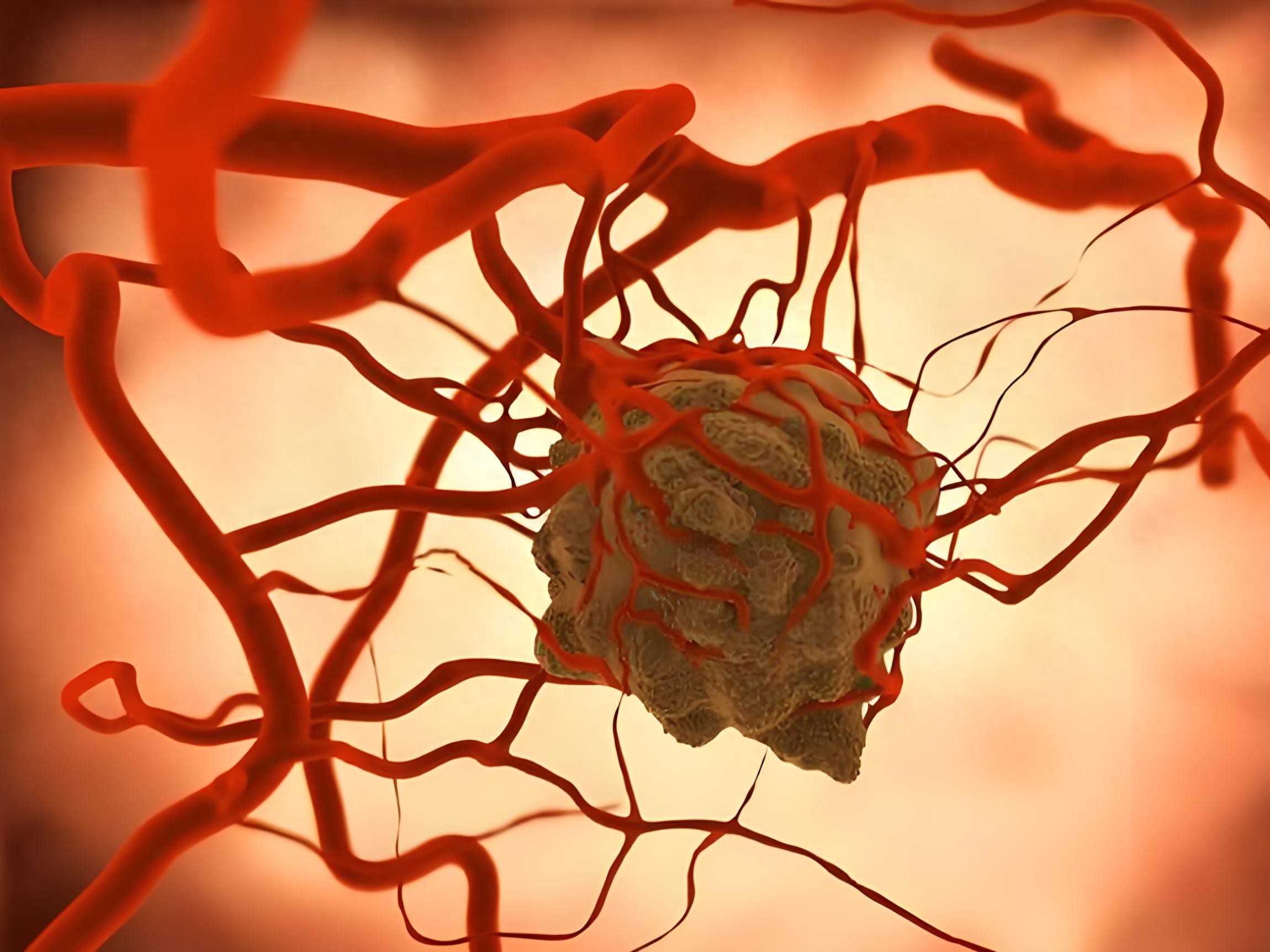
Benign tumors do not spread; however, it is important to prevent them from becoming malignant. Once they undergo malignant transformation, they may potentially spread.
Benign tumors result from the abnormal proliferation of certain normal tissue cells within the body. The tumor mass will continue to enlarge and compress surrounding tissues but will not invade adjacent normal tissues and will not spread. They can usually be completely removed through surgical treatment, causing relatively minor harm to the body.
Although benign tumors do not metastasize, some benign tumors may become malignant if left untreated for an extended period. For example, fibroadenomas of the breast or multiple colonic polyps can develop malignancy in a small subset of patients, leading to metastasis after malignant transformation.
Benign tumors are typically small and do not cause significant clinical symptoms or affect the patient's quality of life. In such cases, no immediate treatment is required, and regular observation is sufficient. However, if the tumor is large and causes noticeable compression symptoms, surgical intervention may be necessary. During surgery, the tumor should be completely excised along with its capsule, and if feasible, a small amount of normal tissue outside the capsule should also be removed.
Patients diagnosed with benign tumors should seek medical attention to determine whether targeted treatment is necessary.