What should be noted in terms of diet after colon cancer surgery?
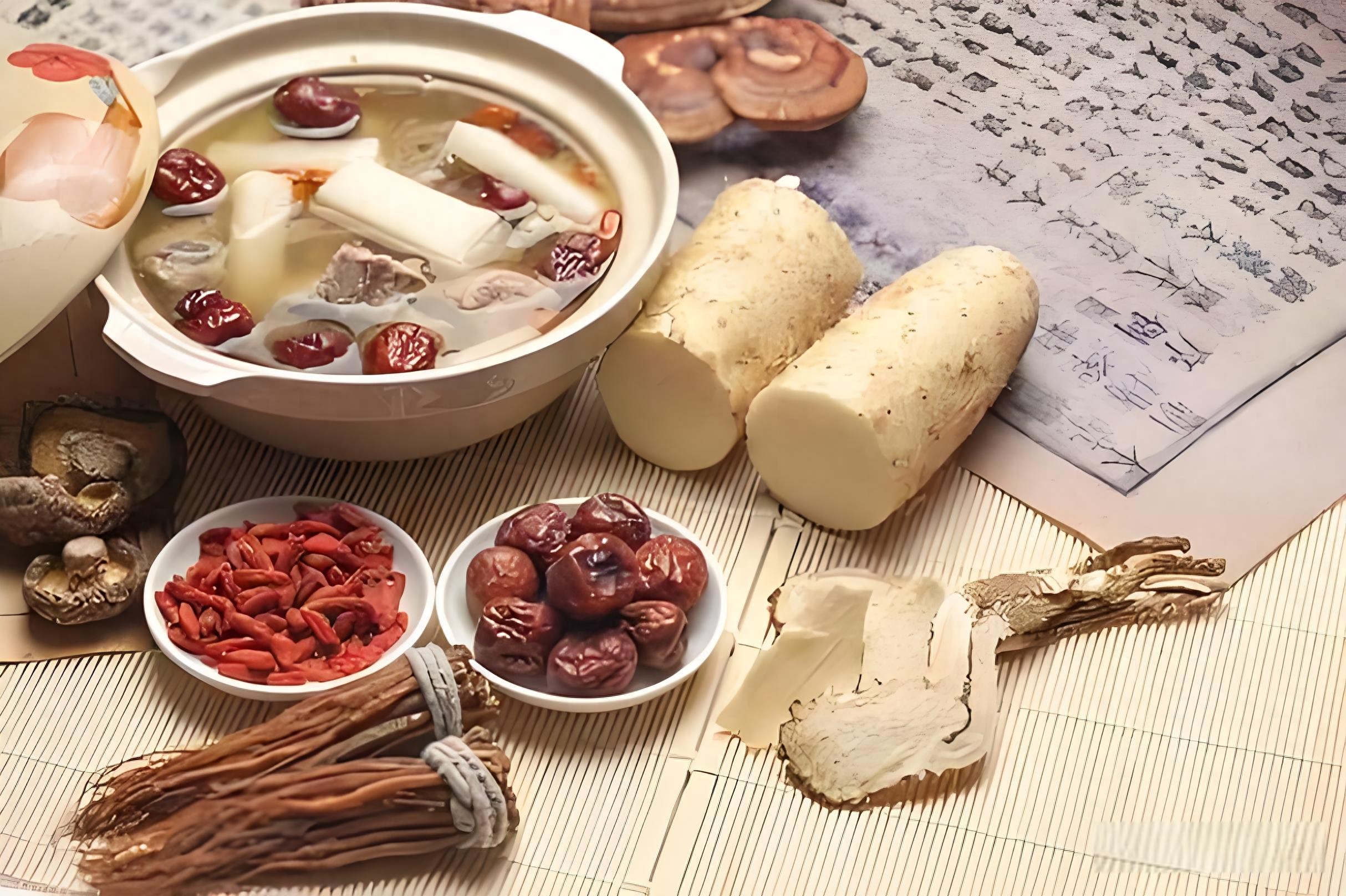
After colon cancer surgery, fasting is generally required for 3–4 days, followed by a gradual transition to liquid diets, semi-liquid diets, and finally a return to a normal diet. It is important to eat small, frequent meals and avoid spicy, stimulating, and cold foods.
During the fasting period, intravenous supplementation of nutrients such as amino acids and electrolytes can be provided to meet the body’s needs. If necessary, gastrointestinal decompression may be administered to expel gastric acid, pancreatic juices, gases, and other substances, which is beneficial for intestinal recovery.
3-4 days later, once gastrointestinal function has recovered and anal flatus is present, a liquid diet can be given, taking care not to have excessive food intake.
After the gastrointestinal tract gradually adapts, a semi-liquid diet can be provided, gradually adding some foods with residue.
It is essential to remember that returning to a normal diet is a gradual adaptation process; do not directly consume foods that are difficult to digest. Additionally, eat small amounts and avoid spicy, irritating, or cold foods.
After starting to eat, pay attention to the color and consistency of the stool. If there is blood in the stool or no bowel movement for several days, inform the doctor promptly or seek medical attention immediately.