Can Traditional Chinese Medicine Kill Cancer Cells?
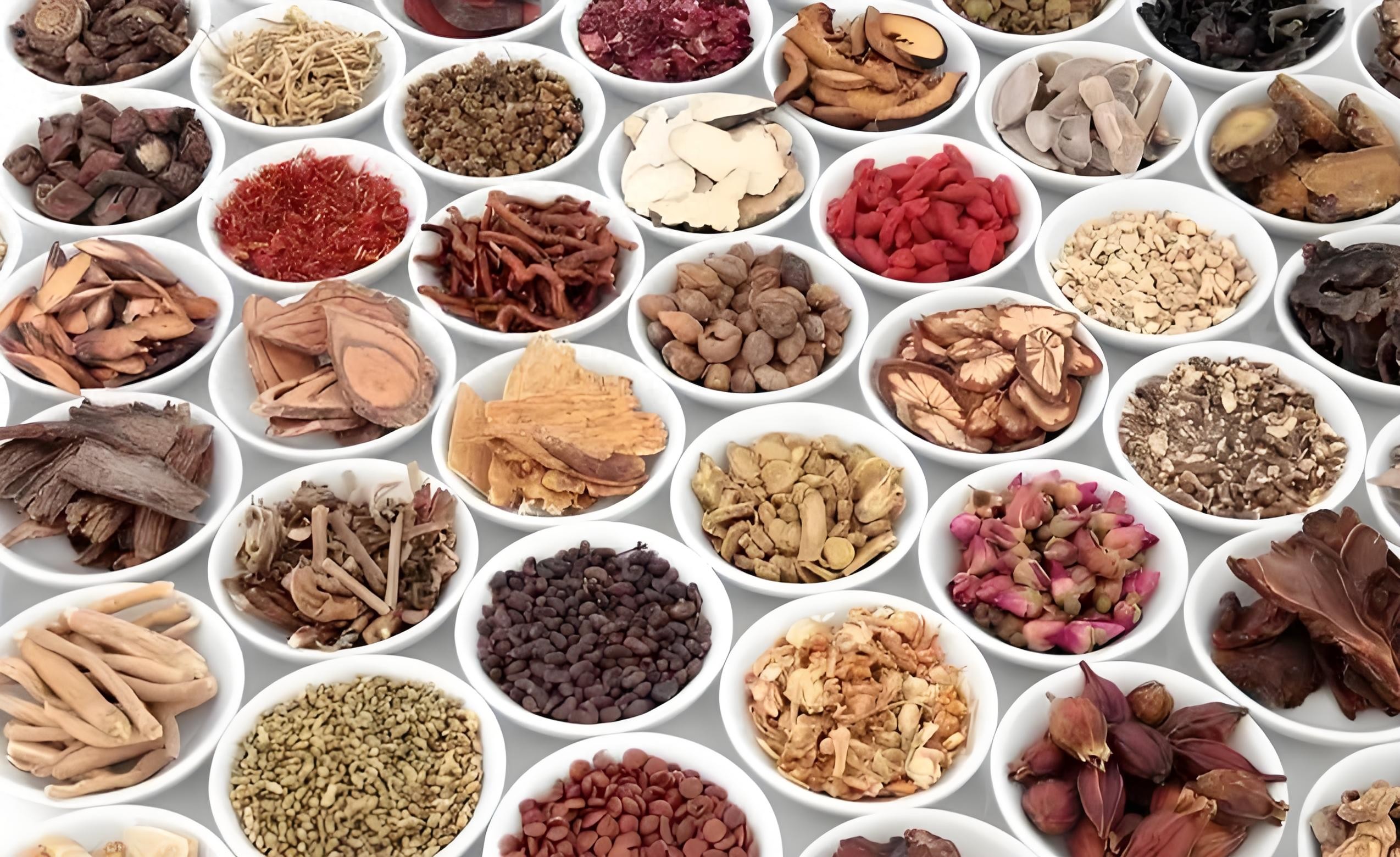
Traditional Chinese Medicine (TCM) cannot kill cancer cells. Some herbs in TCM contain anti-cancer factors that have a certain inhibitory effect on cancer cells. However, cancer is typically treated with Western medical approaches such as surgery, radiotherapy, and chemotherapy. TCM is not the primary choice for conventional cancer treatment. When used as an adjunctive therapy for cancer, TCM can enhance the body's resistance and alleviate symptoms.
In general, many Chinese herbs can serve as adjunctive treatments for cancer. For example, Cordyceps contains extracts that have the effect of inhibiting cancer cell growth; astragaloside from Astragalus can suppress cancer cell proliferation; and agrimony tannic acid from Agrimony pilosa can inhibit cancer cells and enhance the activity of immune cells.
Traditional Chinese Medicine in cancer treatment does not simply aim to kill cancer cells but rather supports the body's vital energy, helps restore physical constitution, and thereby enhances anti-cancer effects. Due to its limited anti-tumor efficacy, it is not considered a primary treatment method.
Clinically, cancer treatment mainly involves surgery, radiotherapy, chemotherapy, interventional therapy, and targeted drug therapy, with Traditional Chinese Medicine serving as an adjunctive approach.
Patients are advised to follow their doctors' instructions for treatment and avoid self-administering medications indiscriminately. It is important to focus on enhancing nutrition and boosting the body's resistance in daily life.