What are the early symptoms of small cell lung cancer?
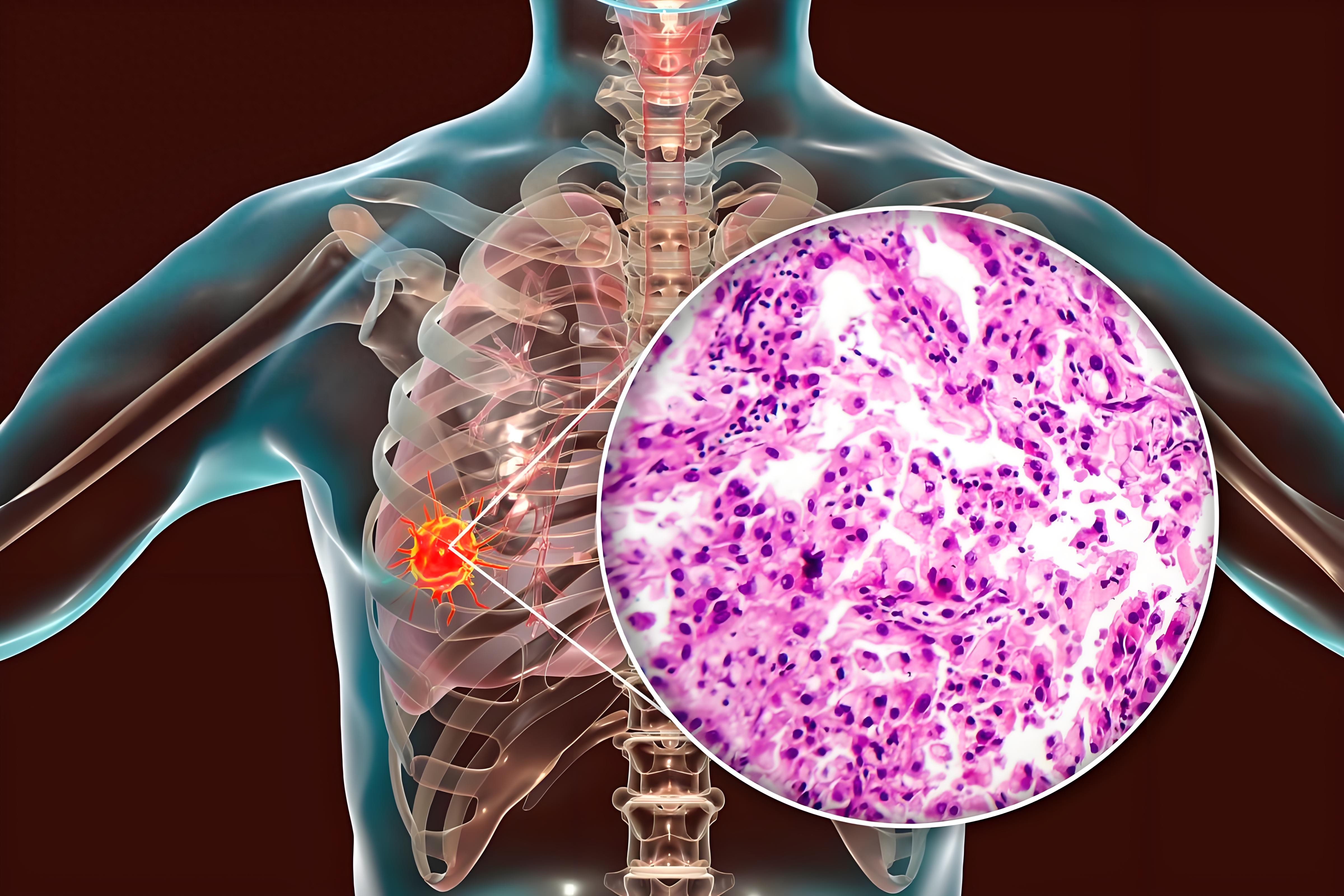
In the early stages of small cell lung cancer, symptoms are often not obvious, or there may only be non-specific respiratory symptoms such as coughing and chest tightness. A small number of patients are diagnosed when seeking medical attention for carcinoid syndrome symptoms like abdominal pain, diarrhea, facial flushing, and bronchospasm, or for persistent hyponatremia.
The early to mid-stage symptoms of small cell lung cancer vary depending on the location and size of the primary tumor, as well as whether it has invaded or compressed adjacent tissues or organs. Common symptoms include cough, bloody sputum, chest tightness or pain, shortness of breath, fever, and non-specific systemic symptoms.
Cough: The most common symptom, usually a dry, irritating cough without phlegm or with only small amounts of white, sticky sputum, often caused by the tumor involving the bronchi.
Bloody sputum: The most typical symptom, often presenting as sputum streaked with blood or blood-tinged sputum, caused by tumor invasion of the mucosal blood vessels of the bronchi.
Chest tightness and chest pain: In the early stages, mild chest tightness is common; chest pain may occur if the tumor is near and involves the pleura and chest wall.
Shortness of breath: If shortness of breath occurs early, it is often due to the tumor obstructing or compressing the bronchi, leading to obstructive pneumonia or atelectasis.
Fever: Obstructive pneumonia is the primary cause of fever in lung cancer, characterized by recurrent and prolonged fever.
Non-specific systemic symptoms: Reduced appetite, significant weight loss, etc.
Early screening for lung cancer primarily relies on regular low-dose chest CT scans. When the above symptoms occur, it is recommended to seek further examination at a qualified hospital promptly.