How Are Stages I Through IV of Lung Cancer Defined?
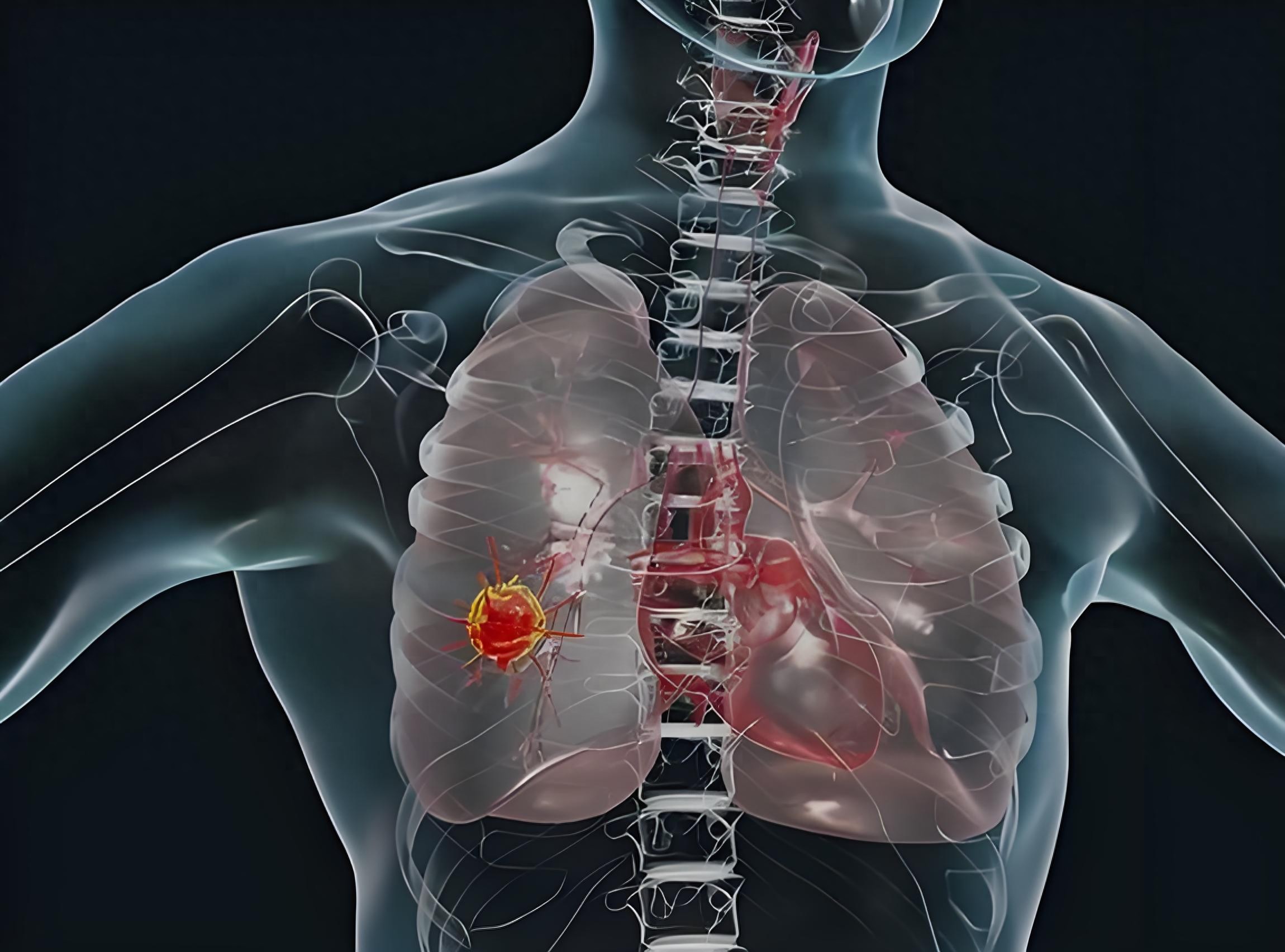
The staging of lung cancer is determined based on factors such as tumor size, lymph node metastasis, and the presence of distant metastasis. The currently widely used staging system is the TNM staging, which classifies lung cancer into Stage I, Stage II, Stage III, and Stage IV. The specific stages are as follows:
1. Stage I: Early-stage lung cancer, with a tumor size not exceeding 4 cm, and no lymph node metastasis or distant metastasis.
2. Stage II: Intermediate-stage lung cancer, where the tumor size is larger than 4cm, or there is involvement of peribronchial lymph nodes and/or hilar lymph nodes on the same side, but without distant metastasis.
3. Stage III: Locally advanced lung cancer, where the tumor size is not a limiting factor, and metastasis to mediastinal or supraclavicular lymph nodes has occurred, but without distant metastasis.
4. Stage IV: Advanced-stage lung cancer, where the tumor has metastasized to distant sites, such as bone, brain, liver, etc.
It is important to note that these stages are used to guide treatment and assess prognosis, rather than for diagnosis. The final staging must be evaluated by a physician based on the patient's specific condition.