What Is Intracranial Venous Sinus Thrombosis?
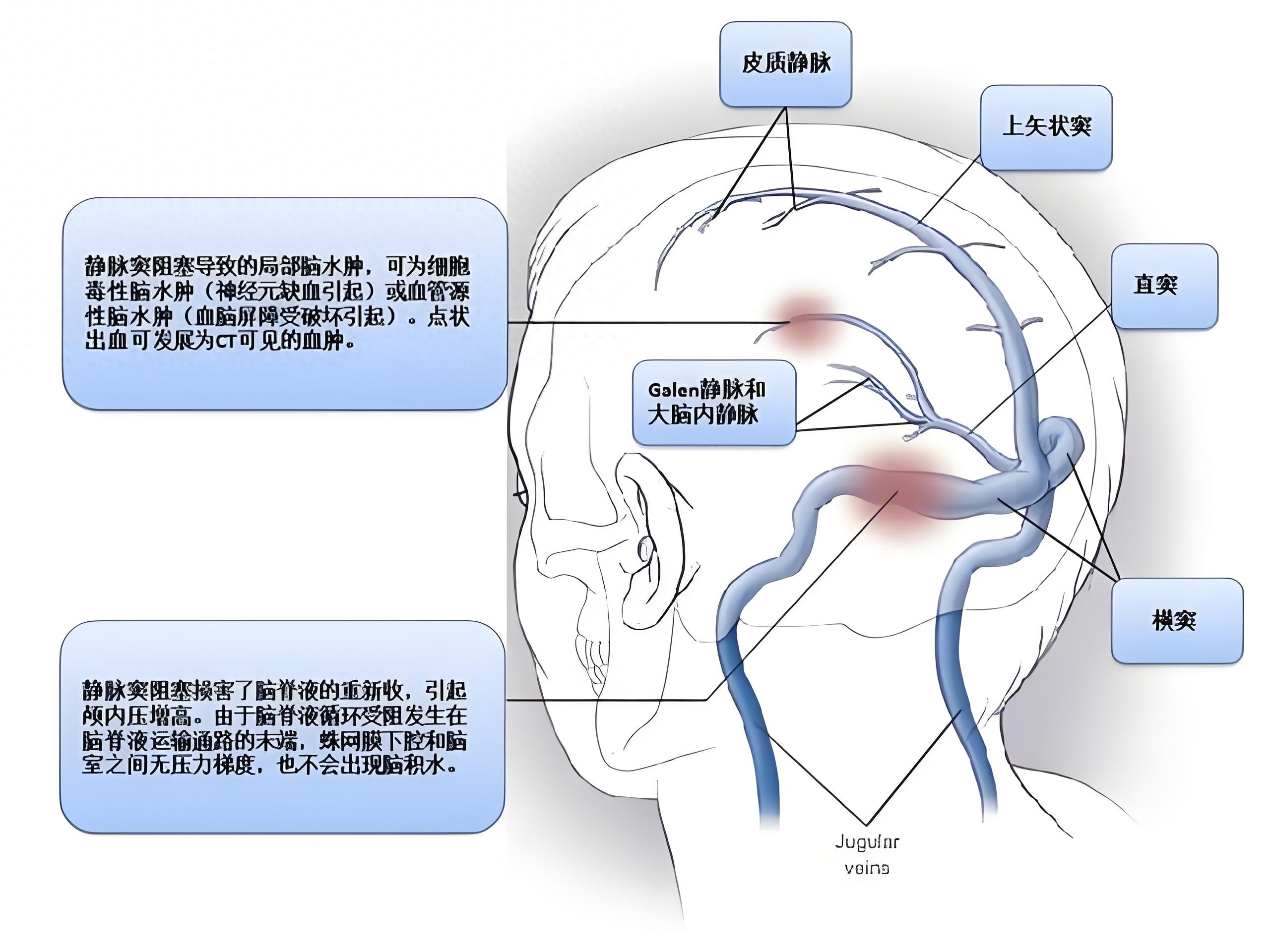
Intracranial venous sinus thrombosis may be related to factors such as infection, inflammation, tumors, hypercoagulable states, and the puerperium.
1. Infection: Infection is a common cause of intracranial venous sinus thrombosis. When infections in other parts of the body, such as ear, facial, or sinus infections, occur, bacteria or viruses may enter the intracranial venous sinuses through the bloodstream, causing inflammation and thrombosis. In such cases, infection-induced thrombosis can obstruct venous return, increase intracranial pressure, and potentially lead to serious neurological complications.
2. Inflammation: Inflammatory diseases, such as autoimmune conditions like systemic lupus erythematosus and antiphospholipid antibody syndrome, can cause inflammatory reactions in the vascular endothelium, increasing the risk of intravascular coagulation. The hypercoagulable state of the blood under such inflammatory conditions promotes thrombus formation, thereby obstructing the intracranial venous sinuses.
3. Tumors: Certain types of tumors, particularly those located on the surface of the brain or invading the venous sinuses, such as meningiomas and gliomas, can directly compress or invade the venous sinuses, leading to impaired blood flow and thereby inducing thrombus formation. The tumors themselves may also release procoagulant factors, increasing the risk of thrombus formation.
4. Hypercoagulable State: Hypercoagulability refers to a physiological or pathological state where blood coagulation is enhanced, which may be caused by hereditary factors (such as protein C deficiency, protein S deficiency, antithrombin deficiency, etc.) or acquired factors (such as long-term use of oral contraceptives, pregnancy, trauma, major surgery, malignant tumors, etc.). In this state, blood is more prone to form thrombi, leading to thrombosis in the intracranial venous sinuses.
5. Puerperium: The puerperium refers to the recovery period after childbirth. During this time, women are in a state of hypercoagulability due to changes in hormone levels and blood concentration, combined with factors such as dehydration and infection that may occur during childbirth. This increases the risk of thrombosis in the intracranial venous sinuses. This condition is known as puerperal cerebral venous thrombosis.
In daily life, it is important to focus on a healthy diet, moderate exercise, maintaining a good mindset, avoiding prolonged sitting or standing, and promptly treating related conditions. For pregnant women and those in the postpartum period, special attention should be paid to preventing intracranial venous sinus thrombosis.