Does Early-Stage Breast Cancer Cause Armpit Pain?
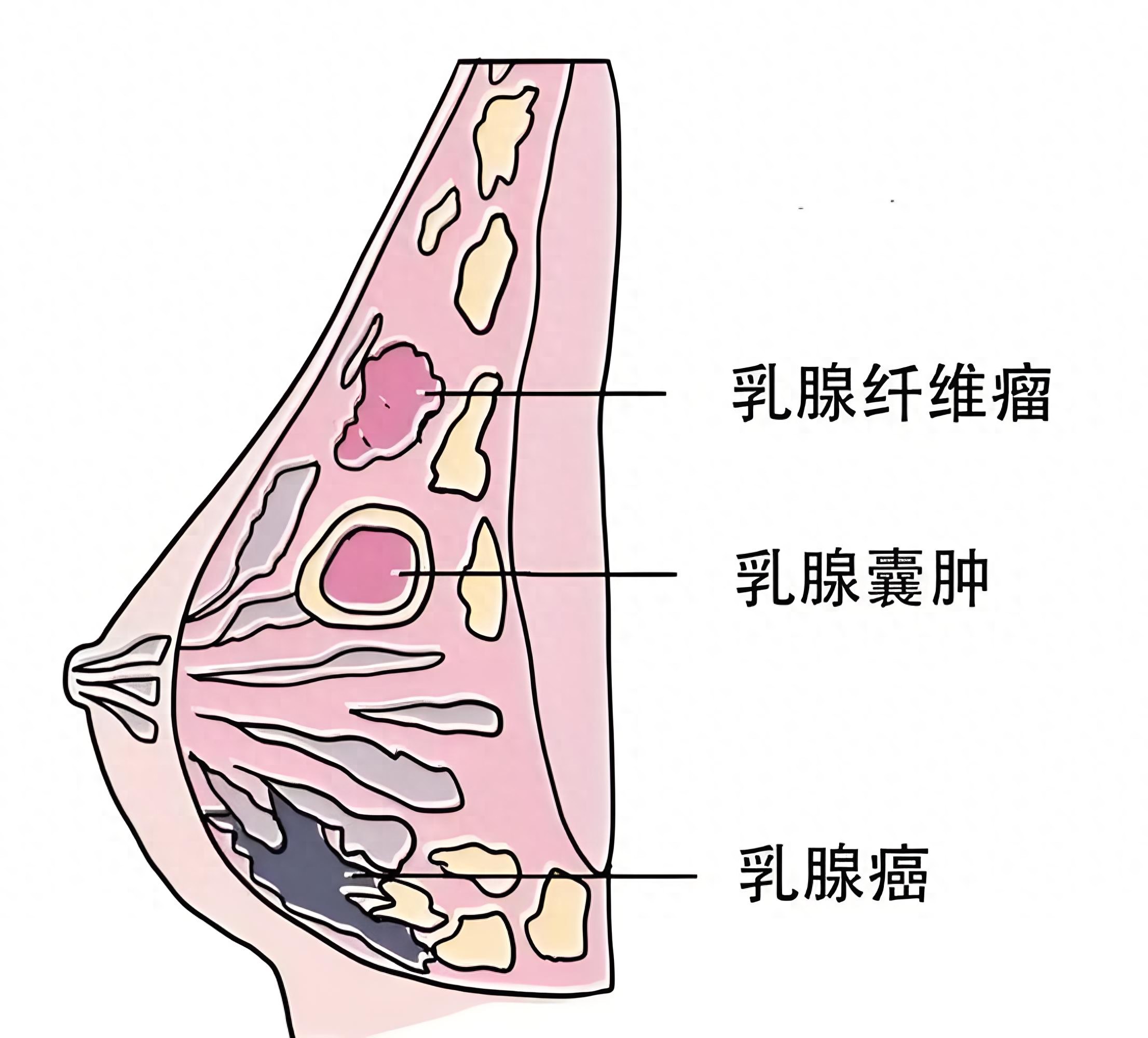
Early-stage breast cancer typically does not cause armpit pain. Armpit pain may be a symptom of advanced breast cancer or could be caused by other conditions such as mastitis, mammary gland hyperplasia, or costochondritis.
Early-stage breast cancer usually does not cause armpit pain; armpit pain may be a symptom of advanced breast cancer or could be caused by other factors. The following is a detailed analysis regarding whether early-stage breast cancer causes armpit pain:
1. In the early stages of breast cancer, there are usually no obvious symptoms. Some patients may feel a breast lump, which is often a single, hard, irregularly edged, and poorly defined painless mass.
2. When breast cancer progresses to an advanced stage, cancer cells may invade the lymph nodes in the armpit, leading to swelling and pain in the armpit lymph nodes.
3. Besides breast cancer, armpit pain may also be related to other conditions, such as:
Mastitis: Breastfeeding women may develop mastitis, which presents as breast redness, swelling, and pain, accompanied by symptoms such as fever.
Breast Hyperplasia: Commonly seen in middle-aged and young women, presenting with breast pain, lumps, and may be accompanied by armpit pain.
Costochondritis: Presents as pain in the costal cartilage area, which may worsen with actions such as coughing or deep breathing.
Other Conditions: Armpit pain may also be caused by axillary lymphadenitis, trauma, cervical spondylosis, and other conditions.
In summary, armpit pain is generally not an early symptom of breast cancer. Armpit pain may be a manifestation of various diseases. If armpit pain occurs, especially when accompanied by symptoms such as breast lumps or nipple discharge, seek medical attention promptly and undergo relevant examinations, such as breast ultrasound, mammography, magnetic resonance imaging, etc., to establish a clear diagnosis.
For female friends, regular breast self-examination and physical check-ups are very important, as they help in the early detection of breast cancer. Here are some methods for breast self-examination:
1. Observation: Stand facing a mirror with your arms hanging down naturally. Observe the shape, size, and skin color of your breasts for any changes, and check for nipple retraction or inversion.
2. Palpation: Lie on your back with your left arm raised above your head. Use your right hand to examine your left breast, keeping your fingers together and gently pressing with the pads of your fingers to feel for any lumps, hard nodules, or tenderness. Then, use the same method to examine your right breast. Additionally, check the armpits for any swollen lymph nodes.
3. Squeezing: Gently squeeze the nipples to observe for any nipple discharge.
If self-examination reveals abnormalities, or if there is a family history of breast cancer, high-risk factors, etc., it is important to seek medical attention promptly for further examination and treatment. Additionally, maintaining a healthy lifestyle, such as a balanced diet, moderate exercise, reducing alcohol consumption, and quitting smoking, also helps prevent the occurrence of breast cancer.