What are the differences between subclinical hypothyroidism and hypothyroidism?
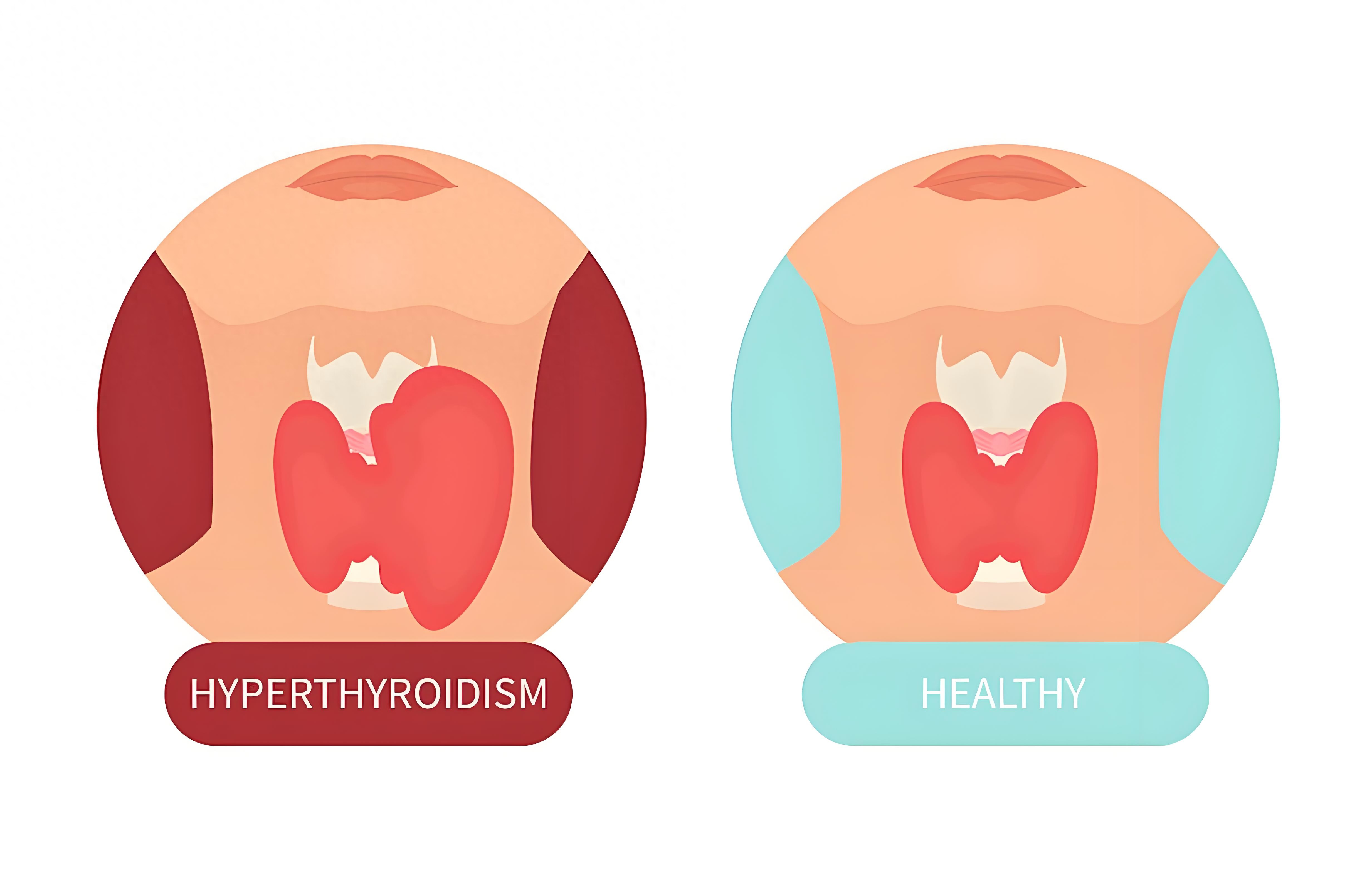
Subclinical hypothyroidism typically refers to subclinical thyroid hypofunction, while hypothyroidism usually denotes thyroid hypofunction. The differences between the two primarily lie in definition, causes, complications, and other aspects; it is recommended to actively cooperate with doctors for treatment.
1. Definition: Subclinical thyroid hypofunction generally refers to a condition without clinically apparent symptoms or physical signs, while early-stage thyroid hypofunction is also known as subclinical hypothyroidism. Clinically, there may be certain symptoms, such as palpitations and loss of appetite.
2. Causes: Subclinical hypothyroidism generally refers to damage to thyroid tissue and may also be caused by long-term use of anti-thyroid medications. Hypothyroidism, on the other hand, typically refers to insufficient thyroid secretion, which is often related to poor dietary habits.
3. Complications: Subclinical hypothyroidism generally induces lipid metabolism disorders, easily leading to hyperlipidemia, and may also cause abnormalities in heart function. Hypothyroidism, on the other hand, commonly causes complications such as sleep apnea and arteriosclerosis.
In addition to the above differences, variations are also commonly observed in terms of treatment and severity. Taking subclinical hypothyroidism as an example, patients can follow medical advice to undergo treatment with medications such as levothyroxine sodium tablets or thyroid hormone tablets, while also adjusting poor dietary habits.