Is Traditional Chinese Medicine Effective for HPV Infection?
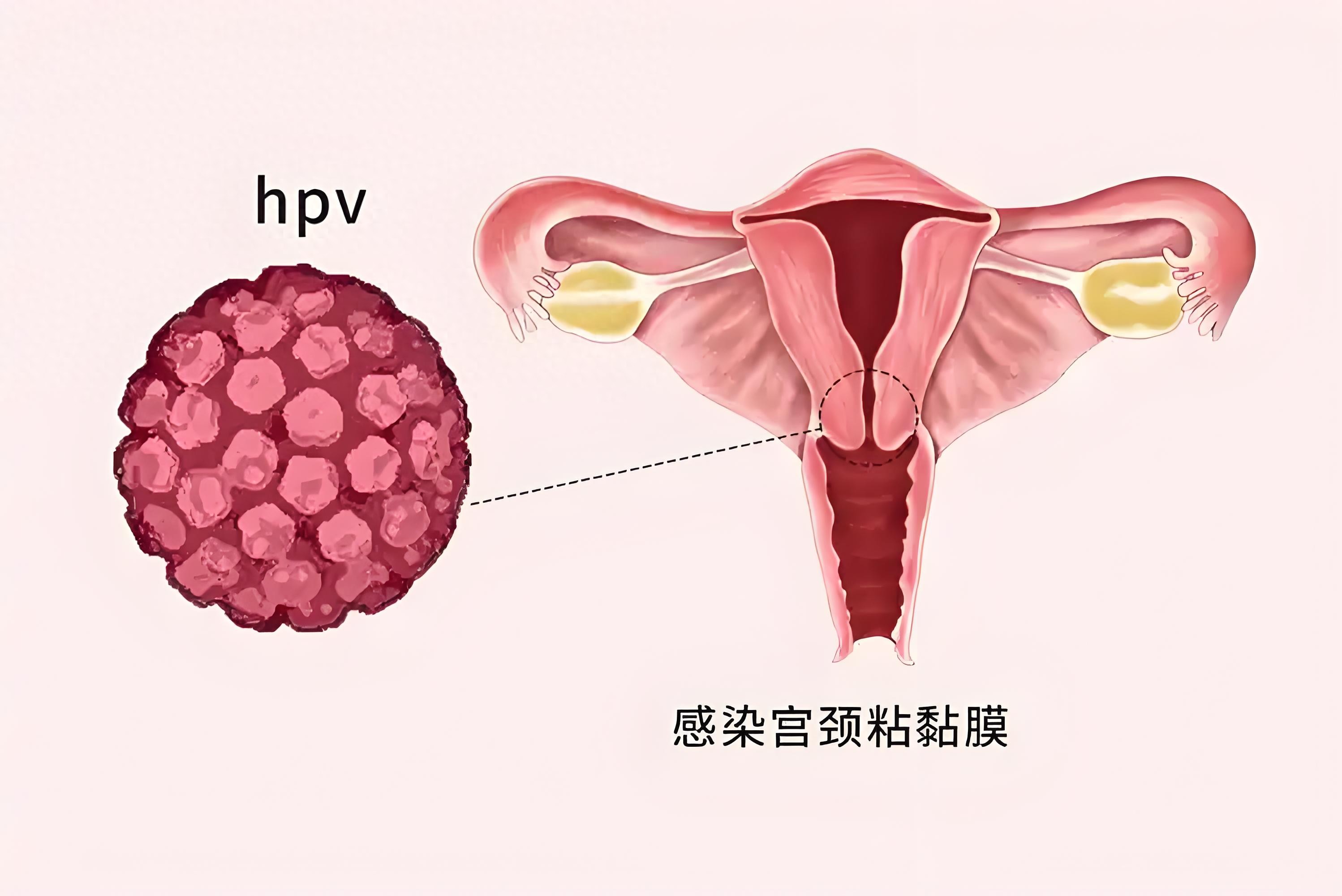
Whether traditional Chinese medicine (TCM) is effective for HPV infection is a question of great concern. Currently, research on TCM for treating HPV is still relatively limited, and its efficacy has not been fully confirmed. However, some TCM herbs are believed to have effects in regulating the immune system, antiviral activity, and anti-tumor properties, which may provide some assistance in the treatment of HPV infection.
Here are some TCM herbs that may have effects on HPV infection:
1. Astragalus: Exhibits immunomodulatory effects and can enhance the body's resistance.
2. Ligustrum lucidum (privet fruit): Believed to have antiviral and antioxidant activities.
3. Isatis root (Radix Isatidis): Has inhibitory effects on various viruses.
4. Poria (Fu Ling): Can regulate the immune system and boost immunity.
It is important to note that the use of Chinese herbal medicine should be conducted under the guidance of a professional doctor. Doctors will develop a personalized treatment plan based on the patient's specific situation, including the type of HPV infection, symptoms, physical condition, etc. Additionally, Chinese herbal medicine may interact with other medications, affecting efficacy or increasing the risk of side effects. Therefore, before using Chinese herbal medicine to treat HPV infection, patients should inform their doctor of any other medications they are currently taking.
At the same time, after HPV infection, other measures should be taken to promote recovery, such as maintaining good lifestyle habits, enhancing immunity, and undergoing regular cervical cancer screenings.
In summary, while Chinese herbal medicine may have some effect on HPV infection, it should not be relied upon as the sole treatment method. When treating HPV infection, multiple factors should be considered comprehensively, and the advice of a doctor should be followed. If there are any questions regarding the treatment of HPV infection, a professional doctor should be consulted promptly.