Cervical Cancer Lymph Node Dissection Sequelae and Medication Management for Cervical Cancer Sequelae
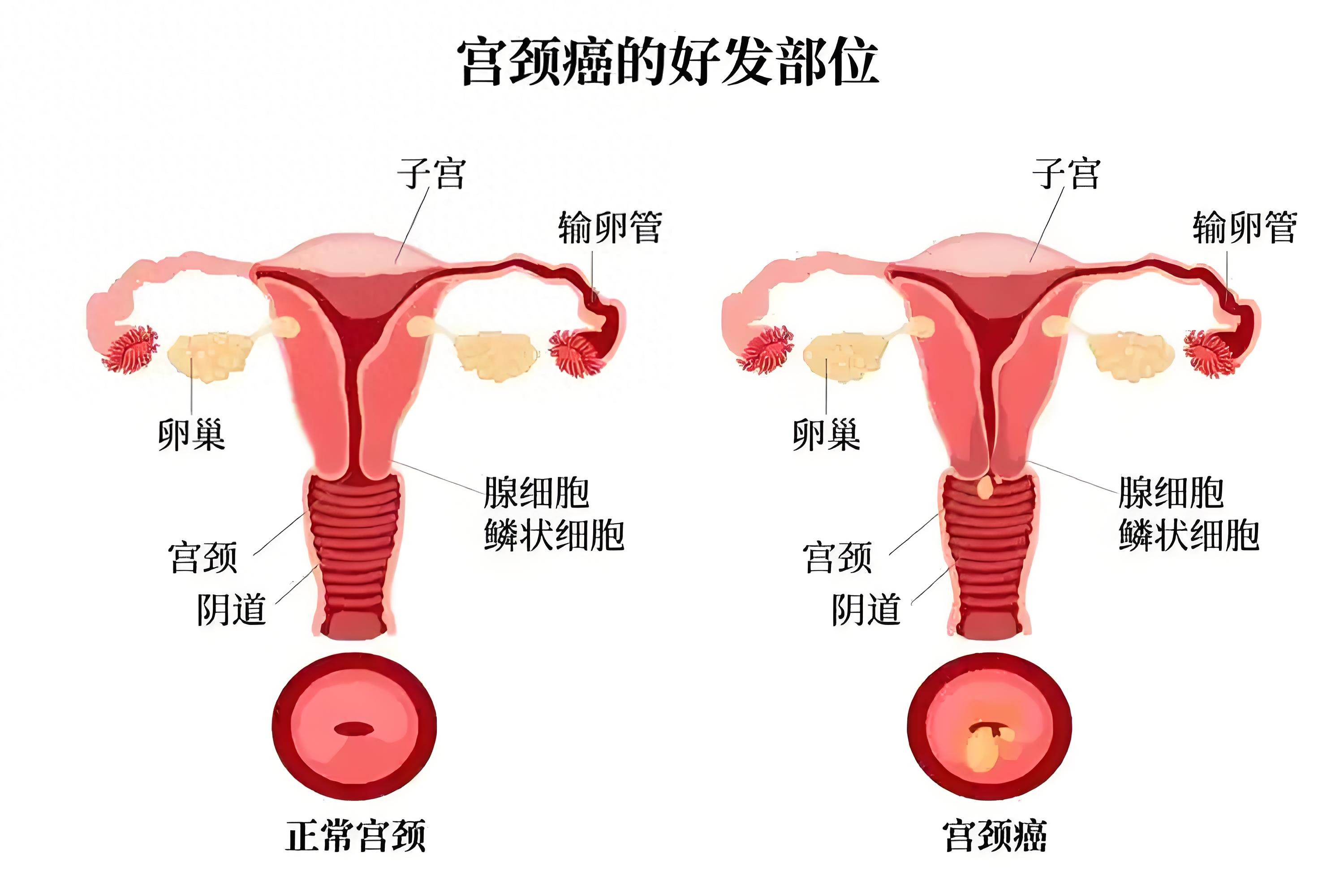
After undergoing lymph node dissection surgery for cervical cancer, some sequelae may occur. Continuing treatment for a period of time will aid in faster recovery. Patients who feel restless may try deep breathing techniques, paying close attention to their physical condition and noting the corresponding timing and symptoms.
For cervical cancer sequelae, appropriate medications should be selected based on the actual situation. During the treatment process, patients should consult more with nurses and doctors, engage in frequent communication to better understand their physical and psychological state.
After undergoing lymph node dissection surgery for cervical cancer, some sequelae may occur. Therefore, it is advisable to explore more specialized treatment methods. Patients should reduce their psychological burden to ensure the effectiveness of the treatment. If the patient is relatively young, the dosage of medication should be reduced accordingly.
It is essential to properly manage the condition and treatment of sequelae after cervical cancer. Delays should be avoided, and patients must adhere strictly to medication schedules without any negligence. Replenishing the body’s qi and blood is necessary to improve overall health.
1. Sequelae of cervical cancer may cause swelling in the limbs due to poor blood circulation. If the patient experiences any physical discomfort, immediate medical attention is required. Additionally, there may be mental distractions and a sense of disorganization.
In the early stages of treating sequelae after cervical cancer, the treatment effects may not be very obvious. Patients should take measures to prevent the condition from worsening. Appropriate treatment must be administered, and it is important to follow the doctor’s advice and discuss a suitable treatment plan.
2. During the treatment of cervical cancer sequelae, it is essential to carefully heed the doctor's advice. Patients should be clear about the treatment process, understand the treatment measures, and pay attention to the interactions among various medications.
In the management of cervical cancer sequelae, it is important to consider the opinions of family members. Patients may sometimes experience abnormal bowel movements due to issues in the digestive system. They often struggle to get up in the morning and feel listless.
3. Cervical cancer sequelae may lead some patients to perceive hospital visits as troublesome, but this can delay treatment. Patients may plot various physical indicators on a chart, find it difficult to control their thoughts, and often experience a sense of mental confusion.
Regarding the physical condition of cervical cancer sequelae, patients must pay extra attention. They may feel tired and frequently experience fatigue. In the early stages of the illness, symptoms such as fever might also appear.
After undergoing lymph node dissection surgery for cervical cancer, some sequelae may remain, which can sometimes cause unbearable headaches and nervous system disorders. Patients should promptly receive appropriate treatment to alleviate physical symptoms. Both physical and mental states may be severely weakened, requiring a period of time for recovery.
To manage the sequelae of cervical cancer, it is essential to control daily diet and lifestyle habits, adopting a "eat less, more frequently" approach. Patients may conceal physical conditions, so extra attention is needed. A comprehensive approach to recuperation is required to facilitate rapid physical recovery.