What is the Relationship Between Pulmonary Nodules and Lung Cancer in Health Science Popularization?
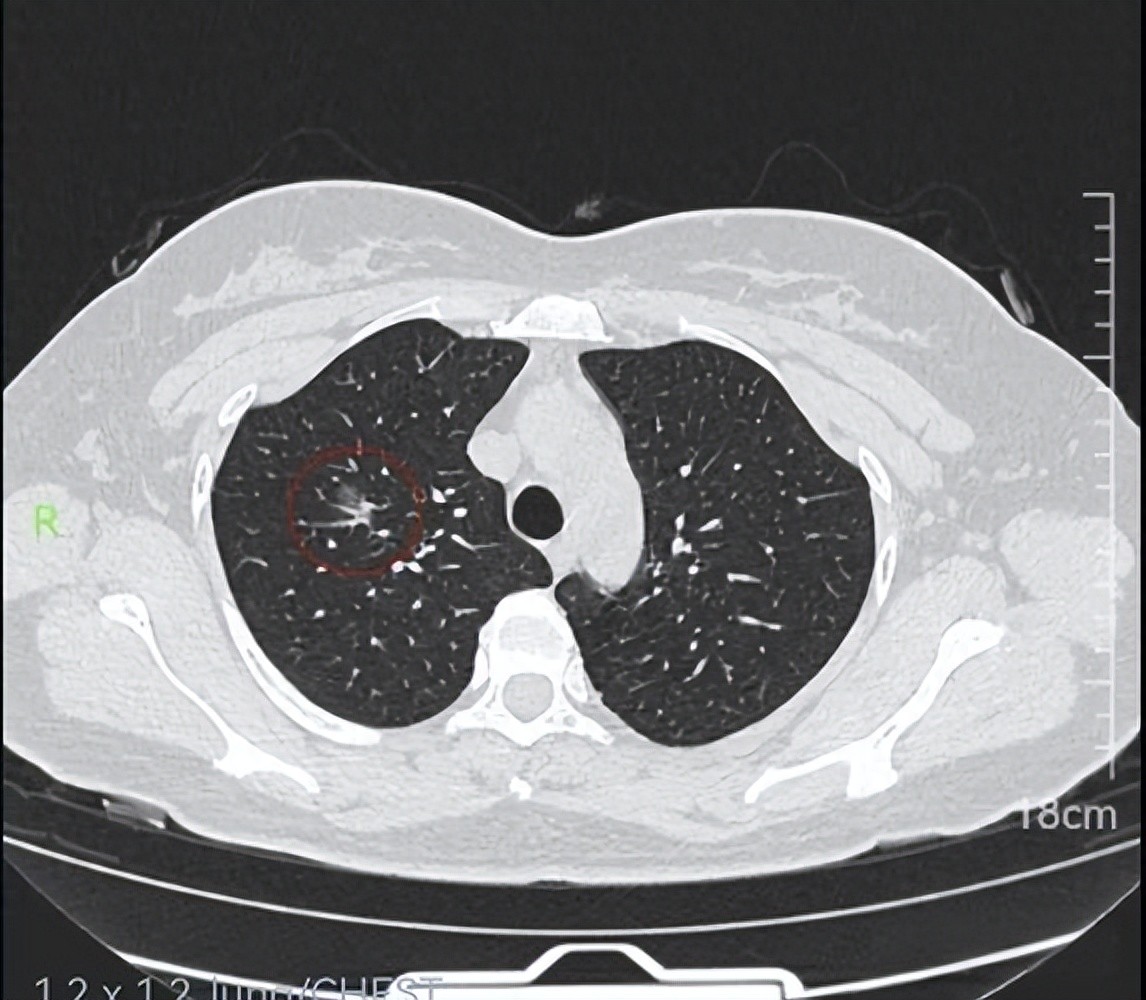
In health science popularization, the relationship between pulmonary nodules and lung cancer is mainly reflected in the following aspects:
1. Pulmonary nodules are not necessarily lung cancer: Most pulmonary nodules are benign, which may be scar tissue left after the healing of infections (such as pneumonia, tuberculosis), or benign tumors (such as hamartomas, sclerosing hemangiomas), or manifestations of some autoimmune diseases, vascular diseases, etc.
2. Some pulmonary nodules have potential for malignancy: While the majority of pulmonary nodules are benign, a portion may represent early-stage lung cancer or carry a risk of malignant transformation. This is particularly true for nodules with specific characteristics, such as larger diameter, irregular shape, spiculated margins, heterogeneous internal density, lobulated appearance, or the presence of vacuoles, as these features are associated with a relatively higher probability of malignancy.
3. Importance of regular follow-up and monitoring: For discovered pulmonary nodules, physicians typically perform a comprehensive assessment based on factors including the nodule’s size and morphology, as well as patient-specific risk factors (such as smoking history, family history of lung cancer, or chronic lung disease), to determine whether to proceed with regular follow-up to observe changes or to recommend further diagnostic procedures (such as contrast-enhanced CT or needle biopsy) to clarify the nature of the nodule. Regular follow-up helps in the timely detection of any changes in the nodule and facilitates early diagnosis of lung cancer.
4. High-risk groups require special attention: Individuals with a history of long-term smoking, a family history of lung cancer, prolonged exposure to carcinogens such as asbestos, or those with chronic obstructive pulmonary disease should be particularly vigilant if pulmonary nodules are detected. It is crucial for these individuals to adhere to medical advice regarding standardized follow-up and management.
In summary, pulmonary nodules and lung cancer are not directly equivalent; however, pulmonary nodules can serve as potential indicators of lung cancer. A scientific approach to assessment and management is essential to achieve early detection, diagnosis, and treatment of lung cancer.