Will hepatitis B definitely progress to cirrhosis? Under what circumstances will it develop into cirrhosis?
Many hepatitis B patients have likely heard of the "hepatitis-cirrhosis-liver cancer" trilogy and often worry about progressing to cirrhosis. China is a country with a high prevalence of hepatitis B, and data shows that the hepatitis B virus infection rate in China is 7.18%, meaning that out of 100 people, 7 are infected with the hepatitis B virus.
So, do all hepatitis B patients develop cirrhosis?
Of course, the answer is no! Not all hepatitis B patients will develop cirrhosis, liver cancer, or other severe outcomes.
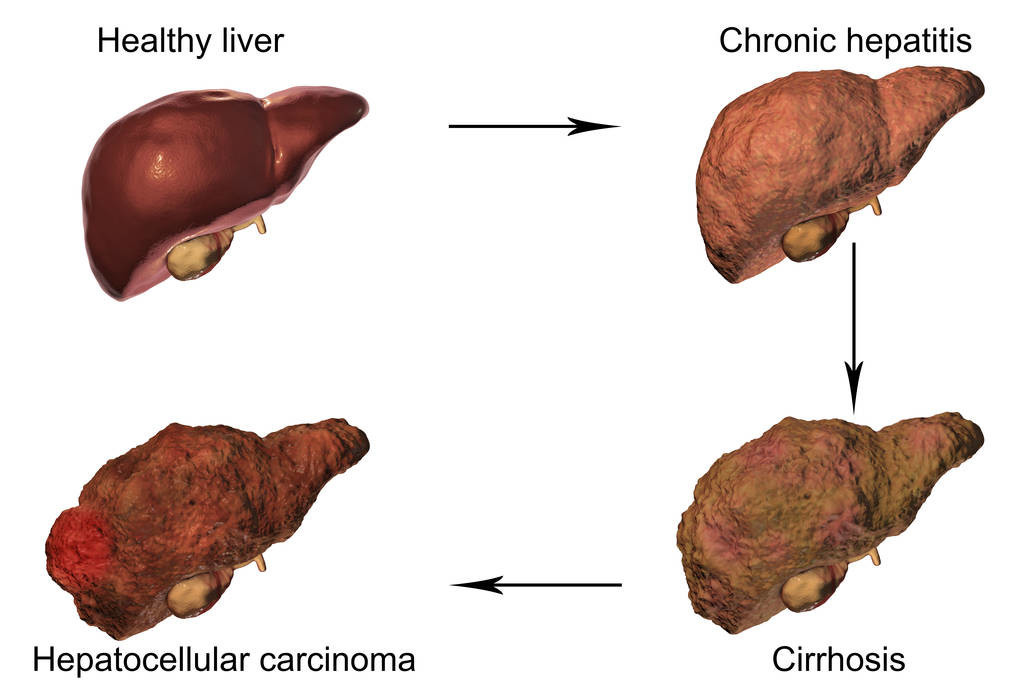
Under what circumstances will hepatitis B patients progress to cirrhosis?
Without treatment, patients with hepatitis B are at high risk of progressing to cirrhosis.
The development of cirrhosis results from repeated liver damage. If hepatitis B patients experience recurrent episodes of hepatitis, such as one or two episodes per year or even more frequently over several years, most of them will progress to cirrhosis. Moreover, the risk of developing liver cancer on top of cirrhosis also increases.
How can hepatitis B patients avoid recurrent episodes of hepatitis?
1. First and foremost, adhere to long-term treatment consistently.
During antiviral therapy for hepatitis B, patients must strictly follow medical advice regarding medication use and maintain long-term, standardized treatment. Hepatitis B antiviral therapy is a lengthy process, and discontinuing or changing medication without medical guidance can lead to treatment failure.
2. Do not abruptly stop medication or take it intermittently
During antiviral therapy for hepatitis B, the most critical aspect is to avoid suddenly stopping medication on one's own or taking it intermittently or irregularly. This not only fails to achieve disease control but may also lead to viral mutation.

3. Regular follow-up at the hospital
Regular follow-up is crucial. It allows for continuous monitoring of the extent of liver damage, understanding the progression of the condition, addressing issues promptly, and providing essential guidance for the selection of treatment plans.
4. Pay attention to daily diet and engage in moderate exercise
Avoid heavy drinking or even quit alcohol, as excessive alcohol consumption is also a main cause of recurrent hepatitis attacks. Additionally, avoid consuming overly greasy or spicy foods, which can indirectly trigger hepatitis flare-ups. Furthermore, moderate exercise can enhance immunity and prevent hepatitis recurrence.
What are the risk factors for liver cirrhosis?
1. Viral hepatitis leading to cirrhosis
There are three main reasons for the progression from hepatitis to cirrhosis: persistent hepatitis viruses (including hepatitis B, C, D, and a few cases of hepatitis E), moderate to severe liver necrosis, and fibrosis. Coinfection with different types of hepatitis can accelerate the progression of cirrhosis.
2. Alcohol-Induced Alcoholic Cirrhosis
Chronic alcohol intoxication is the most common cause of cirrhosis in European and American countries, accounting for approximately 50%-90% of cases, but it is relatively rare in China, accounting for only about 10%.

3. Cirrhosis caused by non-alcoholic fatty liver disease
It is the most common cause second only to viral hepatitis and chronic alcoholic liver disease, with an increasing trend.
4. Drugs or toxins
Long-term use of certain drugs (such as antifolate antineoplastic agents, isoniazid, etc.) and repeated exposure to certain chemical toxins (such as arsenic, carbon tetrachloride, etc.) can cause related hepatitis, which eventually progresses to cirrhosis.
5. Chronic cholestasis, impaired hepatic blood circulation, genetic and metabolic diseases, immune disorders, parasitic infections, and unknown causes.
Although not all hepatitis B patients will develop cirrhosis, this is contingent upon receiving standardized treatment. All hepatitis B patients should undergo standardized treatment and avoid other high-risk factors for cirrhosis beyond the hepatitis virus!