During Chinese New Year, can liver disease patients drink a little alcohol when visiting relatives and friends?
The end of 2019 is already here, and 2020 is approaching step by step. Are some liver disease patients itching to raise their glasses in celebration during this festive season?
In clinical practice, we often encounter liver disease patients who enjoy drinking. Most of them are chronic hepatitis B carriers or chronic hepatitis B patients. Although these individuals know they have hepatitis B, they feel they have no symptoms and no physical discomfort, so they underestimate the condition and think drinking a bit is no problem. However, little do they know that the harm alcohol poses to the liver is far from as minor as they believe. How harmful is alcohol to the liver?
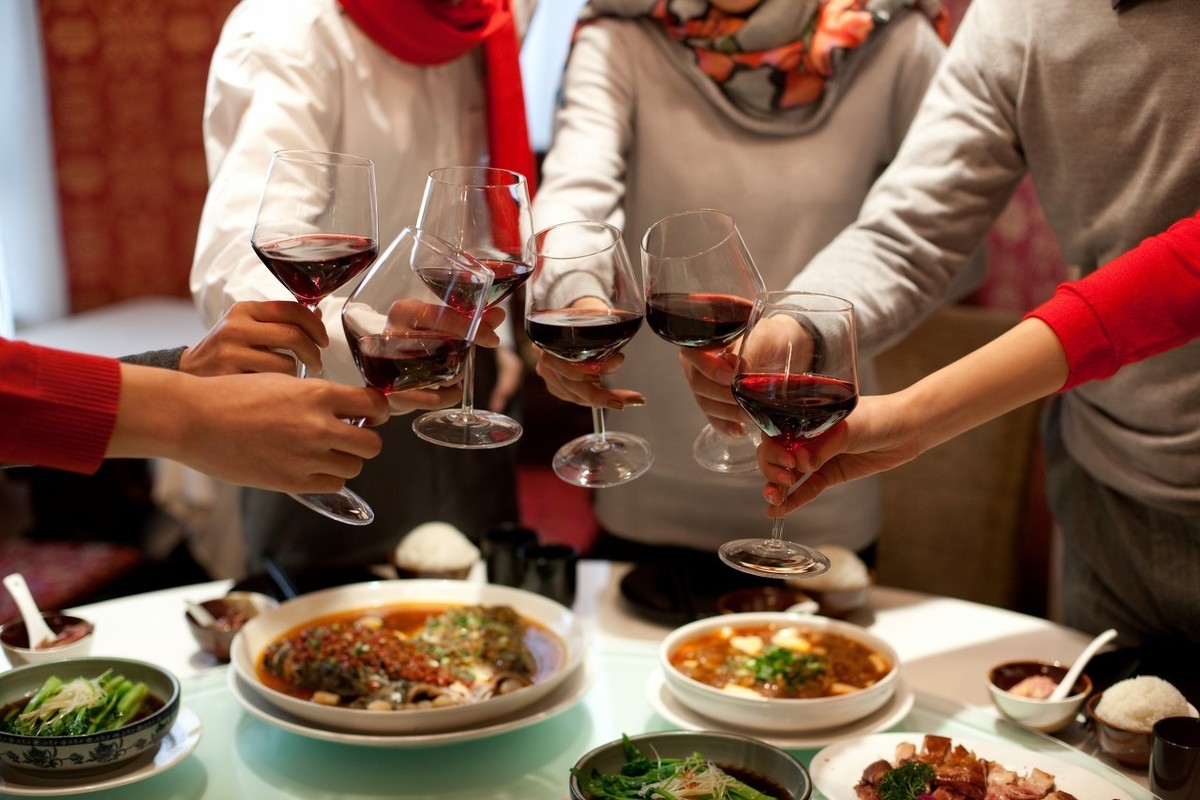
First, you need to understand the metabolic process of alcohol (ethanol) in the liver
1. Ethanol is converted into acetaldehyde in the liver by alcohol dehydrogenase;
2. Acetaldehyde is converted into acetate by acetaldehyde dehydrogenase;
3. Acetate is transported via the bloodstream through the liver to extrahepatic tissues, where it serves as a substrate to form acetyl-CoA, enters the tricarboxylic acid cycle, and is finally oxidized into carbon dioxide and water, releasing energy.
The acetaldehyde produced during metabolism has significant chemical toxicity, which not only leads to the degeneration and necrosis of liver cells, causing inflammation, steatosis, and fibrosis but may also induce gene mutations, thereby leading to cancer.
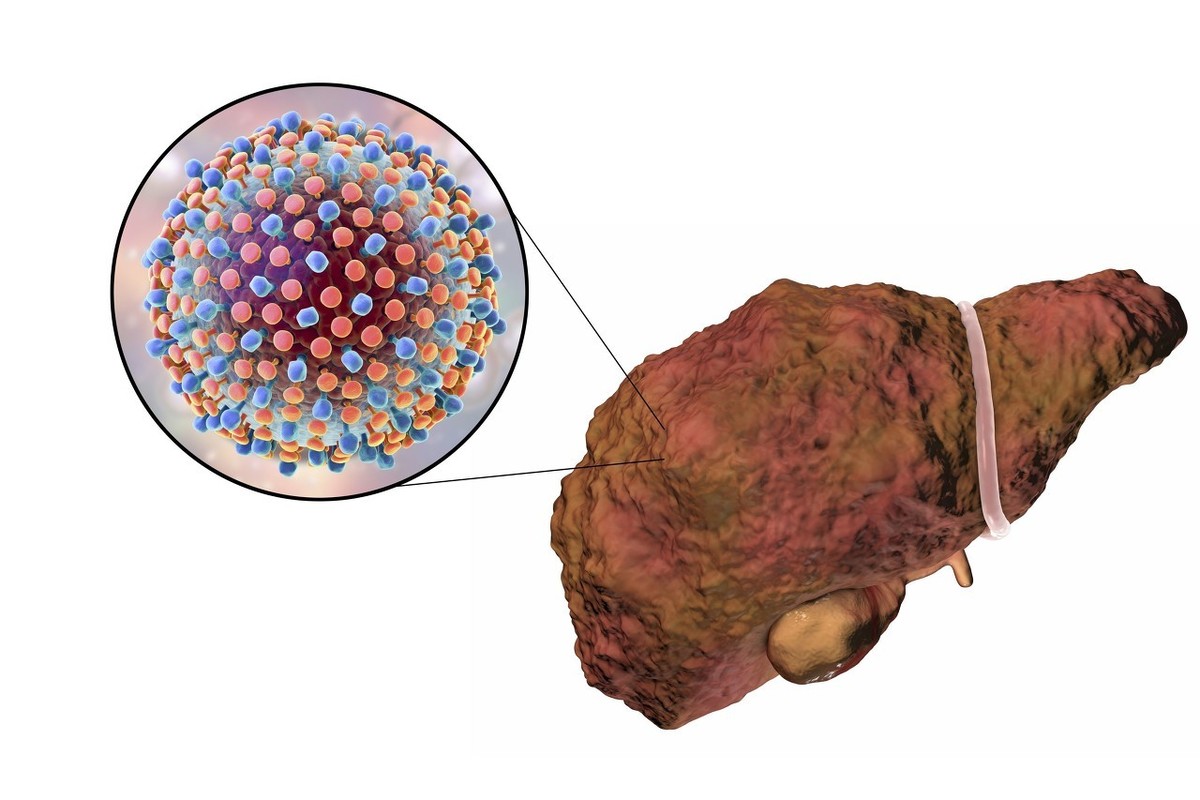
Moreover, studies have found that patients with hepatitis B who also consume alcohol show significantly higher viral loads (HBV-DNA). This indicates that alcohol can suppress the body's antiviral immune response, thereby enhancing the pathogenic and carcinogenic effects of the virus. On the other hand, in addition to chronic inflammation leading to uncontrolled proliferation, mutation, and transformation of liver cells, the combination of the virus and alcohol is also associated with increased production of procarcinogens by the P450 system, a lack of antitumor-promoting factors, and reduced retinoic acid. Together, these factors promote the amplification of liver cells with integrated HBV genes.
In summary, chronic hepatitis B infection combined with long-term alcohol intake significantly further increases the risk of cirrhosis and liver cancer. Patients may develop cirrhosis or even liver cancer at a very young age.
For all patients with liver disease, after reading this, do you still think you can drink alcohol? The answer is, of course, you cannot!
Besides alcohol, liver disease patients need to be careful not to touch these items during the Lunar New Year!
1. Staying up late
Sleep deprivation can lead to insufficient blood supply to the liver, affecting the nourishment and hydration of liver cells, thereby causing liver damage.

2. Having a preference for greasy, processed, and preserved foods
Greasy foods increase the metabolic burden on the liver; processed foods are typically high in calories, lack nutrients, are high in starch and fat, and contain various chemical substances. Pickled foods contain nitrites, which form nitrosamines after entering the human body. All of these can damage the liver.
3. Moldy food
Moldy food, such as peanuts and corn, can produce aflatoxin after spoilage. This substance is one of the most potent known carcinogens and is highly likely to induce liver cancer
Therefore, if you are a liver disease patient and want to have a joyful New Year celebration, do not put yourself at risk!