It's Chinese New Year! Have you done all the necessary checkups for liver disease patients before the holiday?
The Chinese New Year is just around the corner, and everyone must be getting busy preparing for the festivities! However, no matter how busy you are, liver disease patients should not forget to get a checkup for their liver, so you can celebrate the new year with peace of mind and confidence.
So, what checkups do liver disease patients need to undergo?
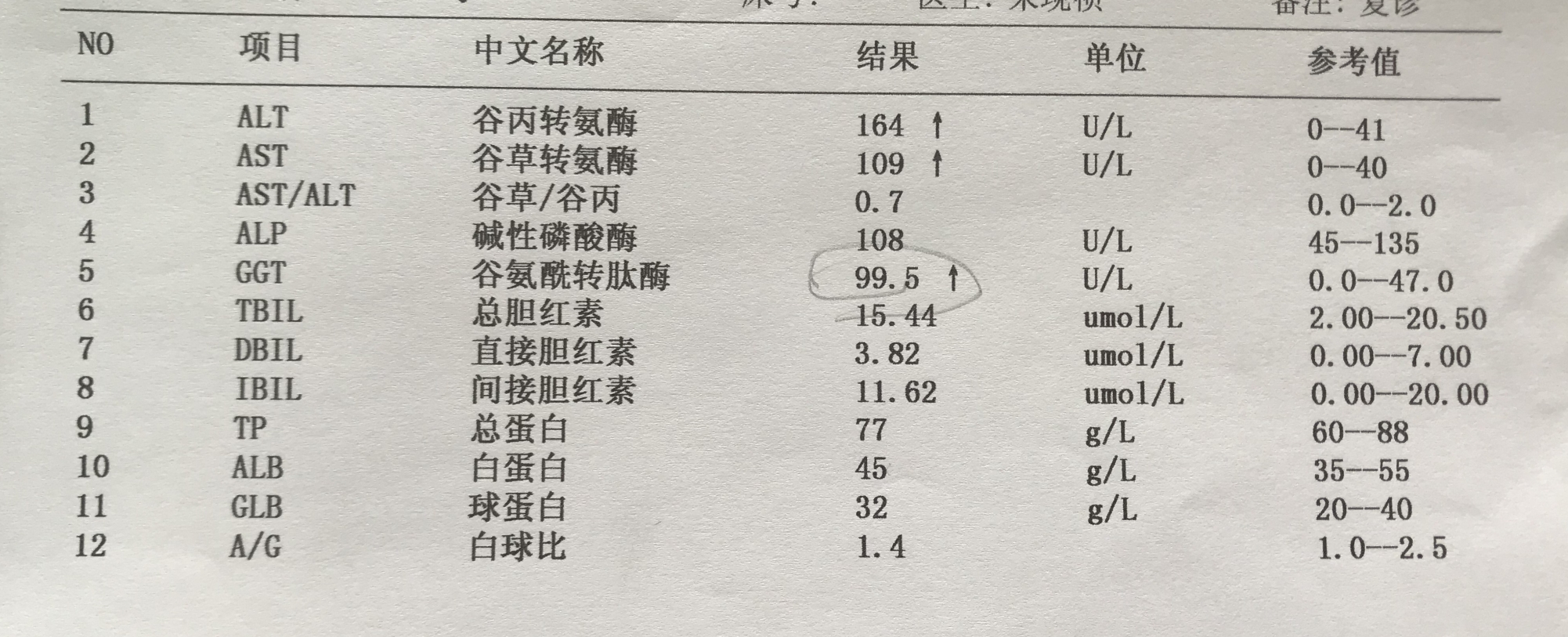
1. Liver Function Tests
Liver function tests can reflect whether the liver's synthesis, metabolism, detoxification, and digestive functions are normal. They help most people assess the health of their liver, allowing for early detection and diagnosis of certain conditions, such as acute and chronic hepatitis, alcoholic liver disease, drug-induced hepatitis, and other hepatobiliary system disorders.
2. HBV-DNA
HBV-DNA testing is specifically for individuals infected with the hepatitis B virus. It can determine the extent of hepatitis B virus replication and the strength of infectivity. This test plays a crucial role, especially in evaluating the effectiveness of hepatitis B treatments before and after medication administration.
3. Liver Fibrosis Indicators
Blood tests for procollagen type III, laminin, hyaluronic acid, type IV collagen, etc., can preliminarily assess the degree of liver fibrosis.
4. Liver Stiffness Measurement
This can assist in evaluating the degree of liver fibrosis and cirrhosis. It is recommended that hepatitis B virus carriers undergo regular liver stiffness measurements to monitor disease progression.
5. Alpha-fetoprotein (AFP)
As a tumor marker for liver cancer, AFP levels rarely increase significantly in cases of hepatitis, and even when elevated, they seldom exceed 200 ng/ml. If AFP levels persistently remain high and stay above 400 ng/ml, it strongly suggests a high likelihood of liver cancer in the patient.

6. Liver Ultrasound (B-ultrasound)
Provides a relatively clear "view" of the liver. A liver ultrasound must be performed on an empty stomach, so it is often scheduled in the morning. The liver ultrasound acts like a "small mirror," allowing us to "observe" the condition of the liver. This examination not only helps assess liver size, shape, echogenicity, portal vein diameter, spleen thickness, and the presence of ascites, but also aids in diagnosing subcapsular and intrahepatic hematomas. It is a widely used clinical tool and is commonly performed during follow-up examinations for liver disease patients to monitor their condition.
7. CT Scan
CT scan is an important diagnostic method for detecting liver cancer, as it can clearly display the tumor's size, shape, number, and boundaries. Furthermore, through imaging analysis, the various ducts within the liver can be reconstructed, allowing for precise mapping of the relationship between the vessels in each liver segment and the tumor.
The following two tests are not routine diagnostic methods, but if necessary based on the patient's condition, they should also be performed as early as possible.
8. Liver Radionuclide Scan
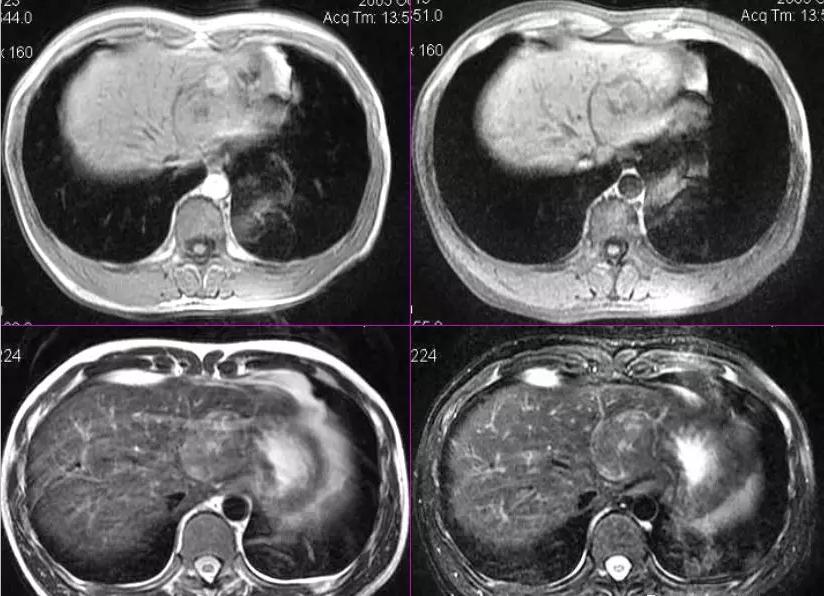
For closed injuries where the diagnosis remains unclear and there is suspicion of subcapsular or intrahepatic hematoma, and where the patient's condition is not highly urgent and permits it, an isotope liver scan may be performed. In cases with hematoma, the liver will show radioactive defect areas.
9. Selective Hepatic Arteriography
For some cases of closed injuries that are genuinely difficult to diagnose, such as suspected intrahepatic hematoma where the patient’s condition is not very urgent, this method can be selected. Diagnostic signs such as aneurysm formation in intrahepatic arterial branches or contrast extravasation may be observed. However, this is an invasive examination with relatively complex procedures and can only be performed under certain conditions; it cannot be used as a routine examination.