As the New Year approaches, doctors warn: Do not use liver-protecting drugs indiscriminately; the right ones are those that suit you.
The festive atmosphere is growing stronger, and the New Year is approaching! After the holiday, visits to relatives and friends, gatherings, and parties will be bustling with excitement! However, patients with liver conditions must not let their guard down amidst these festivities. If any discomfort arises, it is crucial to seek medical attention promptly and avoid self-medicating arbitrarily. The liver-protecting medication you assume might be suitable may not actually be appropriate for you, potentially not only failing to benefit but also negatively impacting your condition. Wondering which liver-protecting medication you should use? First, you need to understand the common types of liver-protecting medications available.

I. Common Liver-Protecting Drugs
1. Essential phospholipids: These are key components of cell membranes, promoting the regeneration of hepatocyte membranes, coordinating phospholipid and cell membrane functions, and reducing fat infiltration. Examples include polyenphosphatidylcholine, which is metabolized in the liver, mostly utilized by the body, with metabolites excreted in urine.
2. Detoxifying medications: These provide the liver with sulfhydryl groups or glucuronic acid, enhancing the liver's detoxification capabilities and thereby reducing ongoing damage from harmful factors.
3. Cell regeneration-promoting medications: These restore the normal function of hepatocytes by repairing their structural integrity, primarily consisting of small-molecule polypeptide active substances and high-energy polyenphosphatidylcholine.
4. Choleretic drugs: Can be divided into two major categories: those that promote bile secretion by the liver, and those that facilitate bile excretion. Main representatives include adenosylmethionine, ursodeoxycholic acid, and anethole trithione.

5. Anti-inflammatory drugs: Possess hormone-like effects, primarily consisting of glycyrrhizin preparations, such as isoglycyrrhizin enzyme injections and diammonium glycyrrhizinate enteric-coated capsules.
6. Enzyme-lowering drugs: These drugs significantly induce the activity of cytochrome P450 enzymes, thereby enhancing the detoxification capacity for carbon tetrachloride and certain carcinogenic substances. Commonly used examples include bifendate and bicyclol tablets.
7. Energy metabolism-promoting drugs: Capable of enhancing the body's energy metabolism and maintaining the normal activity of various enzymes required for energy metabolism, thereby aiding in the repair of damaged cells. Mainly include various vitamins and coenzymes essential for metabolism.
8. Protein Synthesis Promoting Drugs: These mainly include branched-chain amino acids and compound amino acids. Such medications can also promote the regeneration of liver cells, enhance the body's resistance to infection, and facilitate disease recovery.
9. Chinese Herbal Medicine: Traditional Chinese Medicine offers unique approaches in the treatment of acute and chronic liver diseases. Drugs such as Schisandra chinensis, Artemisia capillaris, and Sedum sarmentosum have significant liver-protective and enzyme-lowering effects.
II. How to Choose the Right Liver-Protecting Drugs
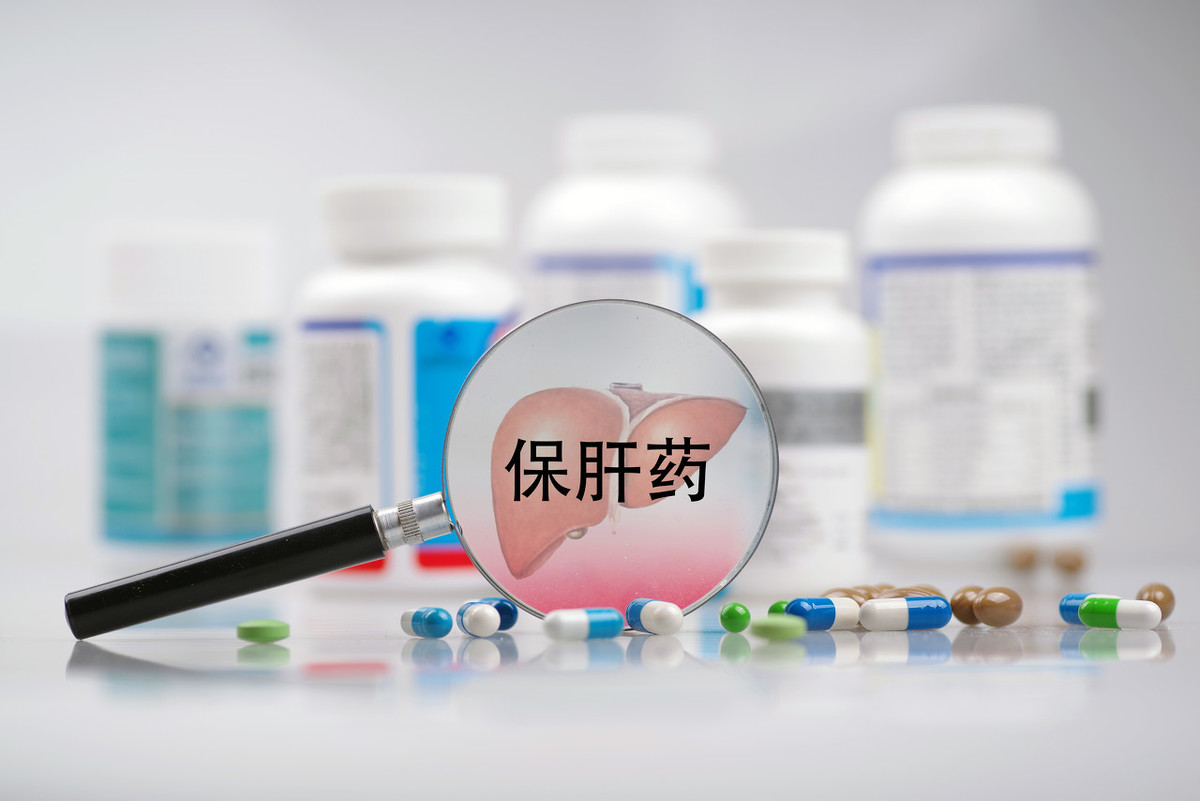
1. Chronic Hepatitis B: Liver-protecting drugs such as reduced glutathione, polyene phosphatidylcholine, glycyrrhizin preparations, bicyclol, adenosylmethionine, and ursodeoxycholic acid may be selected. The duration of medication should be determined based on the condition and under medical advice.
2. Drug-induced Liver Injury: Based on the type of liver injury, appropriate anti-inflammatory and liver-protecting drugs should be selected. For hepatocyte injury type, glycyrrhizin preparations or bicyclol may be chosen; for cholestatic type, ursodeoxycholic acid or S-adenosyl-L-methionine may be selected.
3. Non-alcoholic Fatty Liver Disease: Application of hepatoprotective and anti-inflammatory drugs to prevent hepatitis and fibrosis. Hepatoprotective and anti-inflammatory drugs: Reasonable selection of 1-2 medications such as polyene phosphatidylcholine, glycyrrhizin preparations, bicyclol, vitamin E, ursodeoxycholic acid, S-adenosylmethionine, and reduced glutathione.