What are the differences between liver cirrhosis and liver fibrosis? Let's hear what the doctor says.
Many patients often confuse liver fibrosis and liver cirrhosis, viewing them as essentially the same disease. They are particularly puzzled about the differences and connections between "liver fibrosis" and "liver cirrhosis."
Although liver fibrosis and liver cirrhosis are two distinct concepts, they actually represent a continuous pathological progression.
Liver fibrosis is an essential intermediate stage in the progression of chronic liver disease to cirrhosis, representing a continuous developmental process within the disease's evolution. So, what exactly distinguishes the two?

1. Liver fibrosis refers to the excessive deposition of extracellular matrix, primarily collagen, in the liver. It is a pathological condition associated with various chronic liver diseases and is not currently regarded as an independent disease, whereas cirrhosis can be classified as a distinct disease entity.
2. The fundamental difference lies in the clinical presentation: liver fibrosis lacks specific symptoms or signs, while cirrhosis has clear diagnostic criteria based on clinical features and auxiliary examinations. The formation and progression of liver fibrosis often occur insidiously, making it difficult to detect and prioritize in clinical practice.
3. Liver fibrosis serves as the foundation for cirrhosis. Cirrhosis inevitably involves preceding liver fibrosis; in other words, early-stage pathology manifests as liver fibrosis, which progresses to mid- to late-stage disease as cirrhosis.
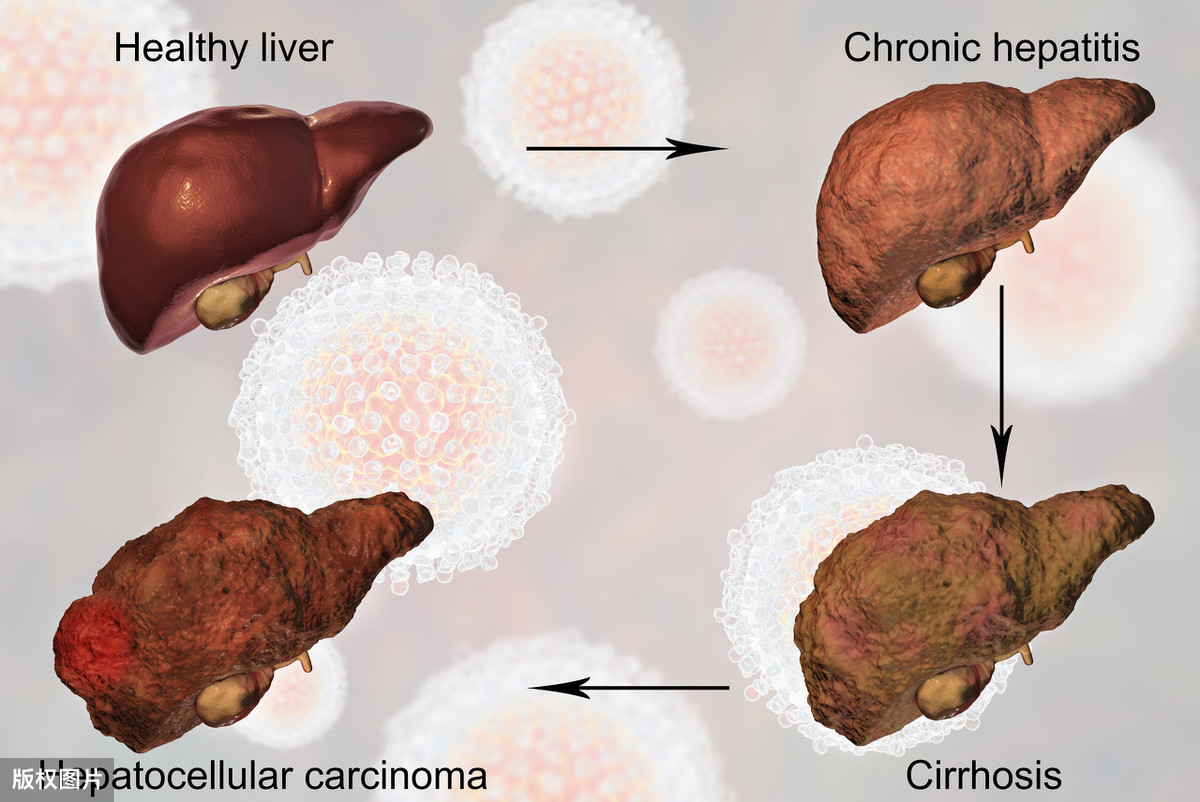
4. The pathological characteristic of liver fibrosis is the proliferation and deposition of a large amount of fibrous tissue in the portal areas and hepatic lobules, but no formation of lobular septa has occurred. In contrast, cirrhosis involves the formation of pseudolobules, with septa appearing between central venous areas and portal areas, resulting in the destruction of the liver’s normal structure. The progression of liver fibrosis leads to cirrhosis.
5. Liver fibrosis can be reversed with treatment, whereas cirrhosis is the result of further progression of liver fibrosis, representing the end stage of various liver injuries. It is typically difficult to reverse and often involves life-threatening complications such as ascites, hepatic coma, upper gastrointestinal bleeding, hepatorenal syndrome, and liver cancer. Moreover, treatment outcomes are often poor. Therefore, early diagnosis and effective treatment of liver fibrosis are critical in preventing the development of cirrhosis.

Thus, the difference between liver fibrosis and cirrhosis lies in the fact that liver fibrosis is mainly characterized by excessive deposition of fibrous tissue without a qualitative change in the liver’s basic structure. In contrast, cirrhosis is distinguished not only by excessive fibrous tissue deposition but also by the destruction of the liver’s fundamental architecture. This represents the so-called difference from "quantitative change" to "qualitative change."
Now everyone understands the differences between the two conditions. Liver fibrosis should not be taken lightly—early detection and intervention are essential to avoid progression to cirrhosis and the loss of the optimal treatment window.