Is Drinking Liver-Protective Tea Enough for Fatty Liver? These Four Pitfalls You Must Avoid Falling Into
With the improvement of modern living standards and changes in people's lifestyles, the incidence of fatty liver disease has been rising year by year. Many people believe that fatty liver can be reversed, that it's no big deal, and that even mild fatty liver doesn't require treatment—just controlling your diet or drinking some liver-protective tea will suffice. But is this really the case? Can such methods truly effectively reverse fatty liver?
1. Just Drink Liver-Protective Tea
Many individuals with fatty liver prefer liver-protecting herbal teas available on the market. However, these health products are intended only for health maintenance and cannot treat diseases. Moreover, the severity of fatty liver, underlying causes, and the extent of liver function impairment vary among patients. If considering the use of health products, it is essential to consult a doctor to avoid exacerbating liver damage or even inducing drug-induced hepatitis.

2. Simply Eating Less Will Help with Fatty Liver
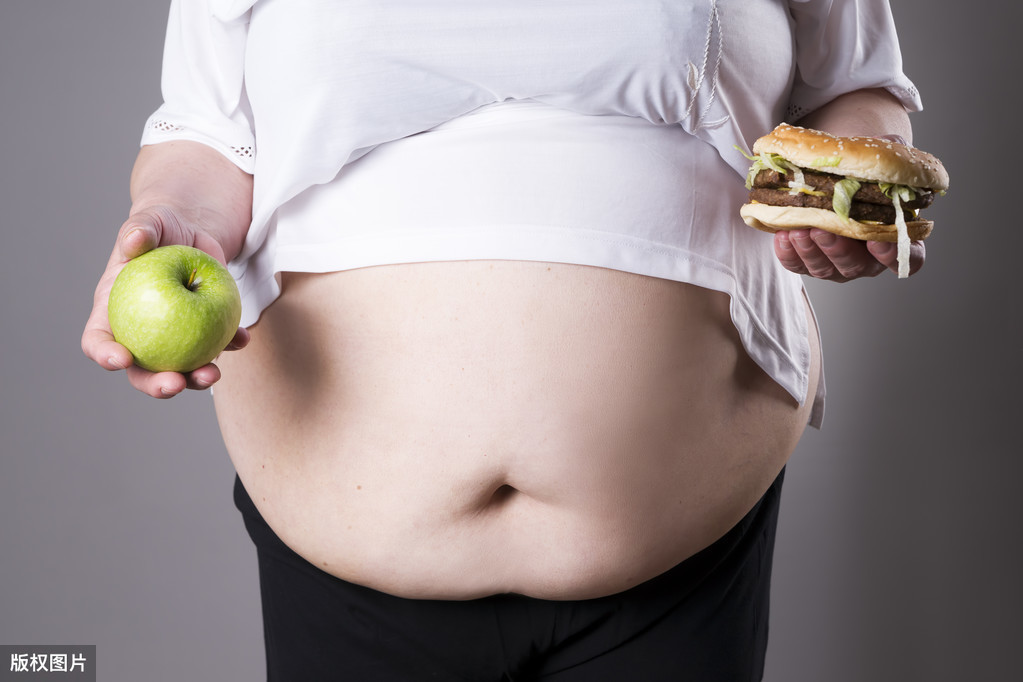
Obesity is a high-risk factor for fatty liver, as excessive intake of fats, especially animal fats, can lead to the condition. Mild fatty liver caused by an unhealthy lifestyle or obesity may not show any specific symptoms, and liver function might remain normal.
While it is necessary to control daily calorie intake and avoid high-calorie, high-fat, and high-oil foods, relying solely on dietary control without engaging in exercise is almost ineffective in improving fatty liver. It is recommended that individuals with fatty liver engage in at least 30 minutes of aerobic exercise daily, and maintaining this routine consistently over time is crucial for improvement.
3. Having Fatty Liver Means You Must Take Liver-Protective Drugs
Many patients with fatty liver disease worry that their condition will progress to cirrhosis or even liver cancer. Even in cases of mild fatty liver with no symptoms, some people excessively take various over-the-counter liver-protective medications. So-called liver-protective drugs are designed to improve liver function, enhance the detoxification and metabolic capacity of liver cells, and promote liver cell regeneration. However, these medications only serve a supportive role in treatment.
4. Mild Fatty Liver Does Not Require Treatment
Fatty liver is divided into various types, such as non-alcoholic, alcoholic, and fatty liver caused by specific reasons. Without effective treatment, it can progress to fatty liver hepatitis, cirrhosis, and hepatocellular carcinoma.
Patients with simple, mild fatty liver disease must quit smoking and alcohol, avoid high-calorie and high-fat foods, adjust their diet, engage in more physical activity, and maintain their weight within the standard range. This can help restore normal liver function. Therefore, everyone must avoid falling into the four misconceptions mentioned above. Liver disease is no small matter—it’s important to take it seriously!