There are several different scenarios of elevated transaminase levels. Come and see which one applies to you.
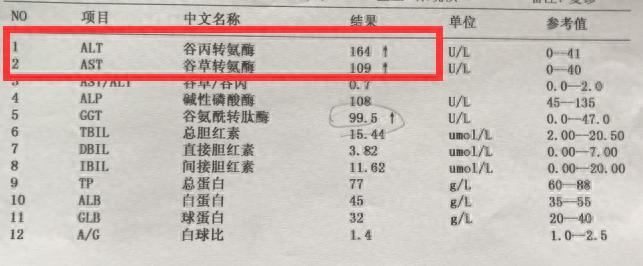
Many people find elevated transaminase levels during their liver function tests in physical exams, which often causes concern about potential liver disease. In fact, elevated transaminase levels can occur in several different scenarios, and it does not necessarily indicate liver problems. Check out the following three situations below to see which one might apply to you!
I. Three scenarios of elevated transaminase levels
1. Rapid Elevation of Transaminase
Sometimes during liver function tests, you may notice that transaminase levels have suddenly and rapidly increased, reaching several hundred or even over a thousand units in a short period. In such cases, it is essential to take this seriously, as it could be a sign of acute hepatitis or a flare-up of hepatitis B. If you encounter a similar situation, prompt treatment is crucial, and the prognosis is generally favorable.
2. Single Elevation of Transaminase
When undergoing liver function tests, if the results have consistently been normal and only a slight elevation in transaminase levels is occasionally detected—such as values within 50 IU/ml—it may not necessarily indicate a pathological factor. This could also be due to medication taken before the test, excessive exercise, staying up late, alcohol consumption, and other factors, which can all cause an increase in alanine transaminase.
Generally, after changing these habits and retesting, transaminase levels may return to normal.
3. Persistent, consecutive elevation of transaminase levels on multiple occasions.
If transaminase levels are persistently and consecutively elevated on multiple occasions, it is highly likely due to liver disease or liver damage. In such cases, it is essential to undergo a comprehensive liver disease screening to identify the underlying cause. Once the cause is determined, targeted treatment should be initiated to reduce transaminase levels to the normal range as soon as possible and prevent further aggravation of liver damage.
II. What to pay attention to when transaminase levels are elevated
1. Control alcohol intake
Long-term alcohol consumption can cause irreversible toxic effects on the liver, significantly increasing the risk of alcoholic liver disease.
2. Develop healthy lifestyle habits
Try to avoid staying up late, increase physical activity appropriately, and control waist circumference and weight.
3. Avoid Unnecessary Medication
Do not take health supplements or Chinese herbal medicines with unknown ingredients to prevent potential kidney and liver damage from drugs.
4. Maintain a Light Diet
Focus on a light diet and increase the intake of whole grains, fresh vegetables, fruits, and mushrooms.
5. Maintain a balanced and diverse diet

A strictly vegetarian diet may increase the risk of endogenous fatty liver disease. It is recommended to consume an appropriate amount of high-quality protein, such as soy products and dairy, as well as healthy fats like fish and beef, in your daily diet. This approach helps boost immunity while preventing excessive protein intake from overburdening the liver's metabolic functions.
6. Control fat intake
Excessive consumption of fried and high-fat foods has led to a significant rise in the detection rate of fatty liver disease. When alanine aminotransferase (ALT) levels are elevated, the liver's metabolic function is compromised. A diet high in oil and fat is detrimental to the recovery of liver function.
7. Control Sugar Intake
Sugars from sources such as pastries, blended fruit juices, and carbonated beverages can be converted into fat in the liver, promoting the formation of fatty liver disease.
In summary, elevated transaminase levels can be attributed to both physiological and pathological factors. However, if the levels are repeatedly elevated, it is essential to take it seriously!