Is shoulder pain also related to liver disease? Listen to what the experts have to say
Many people often experience shoulder pain in daily life, usually attributing it to trauma or joint issues. However, many are unaware that shoulder pain could also be caused by liver disease.
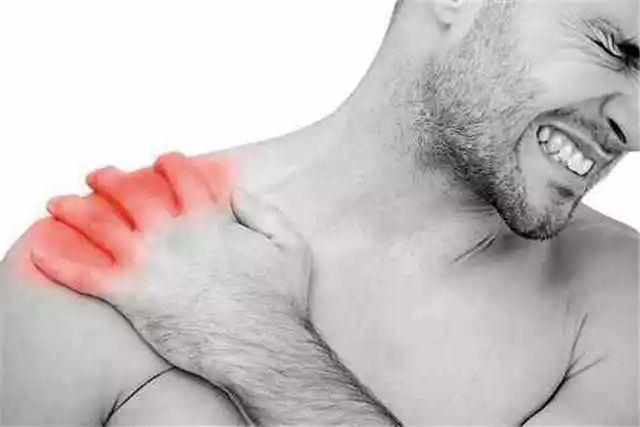
I. Pain in the right shoulder may be related to liver cancer
When liver cancer develops, the tumor grows continuously and compresses surrounding nerve tissues. Since the nervous system of the right shoulder is located near the liver, the tumor can compress and affect these nerves as it enlarges, leading to pain. This type of right shoulder pain is mostly referred or radiating pain.
Therefore, when experiencing such right shoulder pain, especially in individuals with pre-existing liver conditions, persistent right shoulder pain should prompt timely medical examination.
II. Besides right shoulder pain, early liver cancer also presents the following symptoms
1. General Symptoms
Early-stage liver cancer may present with systemic symptoms such as weight loss, fatigue, low-grade fever in the afternoon, and night sweats.
2. Gastrointestinal Symptoms

Most patients experience early symptoms such as decreased appetite, indigestion, nausea, and vomiting, accompanied by weight loss, fatigue, and diarrhea. Liver cancer caused by cirrhosis can lead to portal hypertension or embolism, which accelerates gastrointestinal motility and disrupts digestion, absorption, and bile secretion, resulting in diarrhea.
3. Right Upper Abdominal Mass
Masses often appear below the xiphoid process. Patients with right lobe liver cancer may develop a mass in the right upper abdomen, which is firm in texture, irregular on the surface, and shows a clear tendency of enlargement.
4. Pain in the liver area
The pain is usually located in the right hypochondrium or below the xiphoid process, presenting as intermittent or persistent dull pain. It tends to subside on its own within a short period. During the pain, patients may experience discomfort in the right upper abdomen.
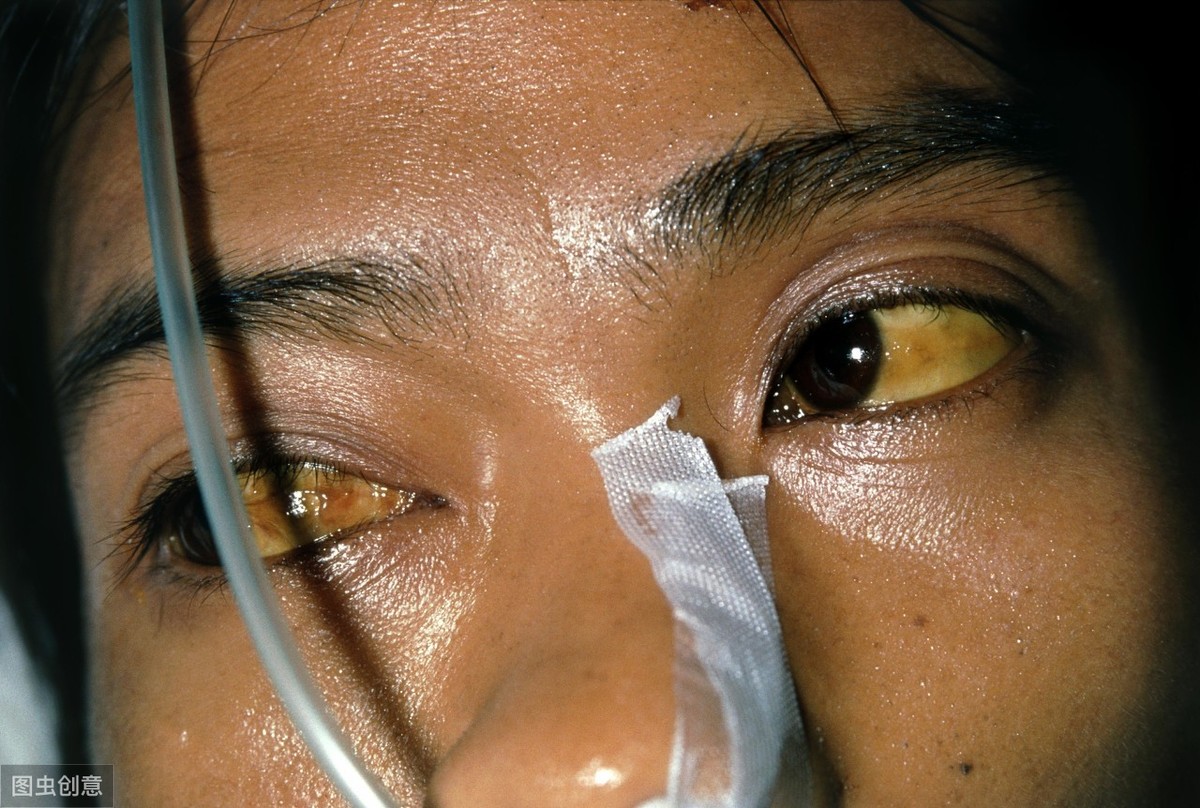
5. Jaundice, ascites, skin itching
Approximately one-third of patients experience jaundice during the disease course, primarily due to tumor invasion of major intrahepatic bile ducts or extrahepatic bile duct compression from metastatic lymph nodes at the hepatic hilum. Ascites frequently occurs when patients have pre-existing cirrhosis, with contributing factors including tumor thrombus formation from venous invasion by cancer tissue and portal vein compression by tumor nodules. Skin pruritus is a common symptom in patients with liver disease and hepatocellular carcinoma.
6. Hemorrhagic Manifestations
Common presentations include epistaxis and skin capillary rupture bleeding. These result from impaired liver function and coagulation abnormalities. Additionally, if combined with cirrhotic portal hypertension, upper gastrointestinal bleeding may also occur.
The liver is a "silent organ" because it lacks pain-sensitive nerves. Therefore, the onset of liver disease is often asymptomatic and painless, leading many people to overlook it until it is discovered, often at an advanced stage.
Liver disease is no small matter, and everyone must pay extra attention, especially those who already have underlying liver conditions.