Long-term use of these 9 types of drugs can easily damage the liver. How can we reduce liver damage?
The metabolism of drugs is generally completed in the liver. "All medicines are somewhat toxic." When drugs are detoxified and metabolized in the liver, they inevitably cause varying degrees of damage to the liver. So, which specific drugs can damage the liver? And how can we reduce their harm to the liver?
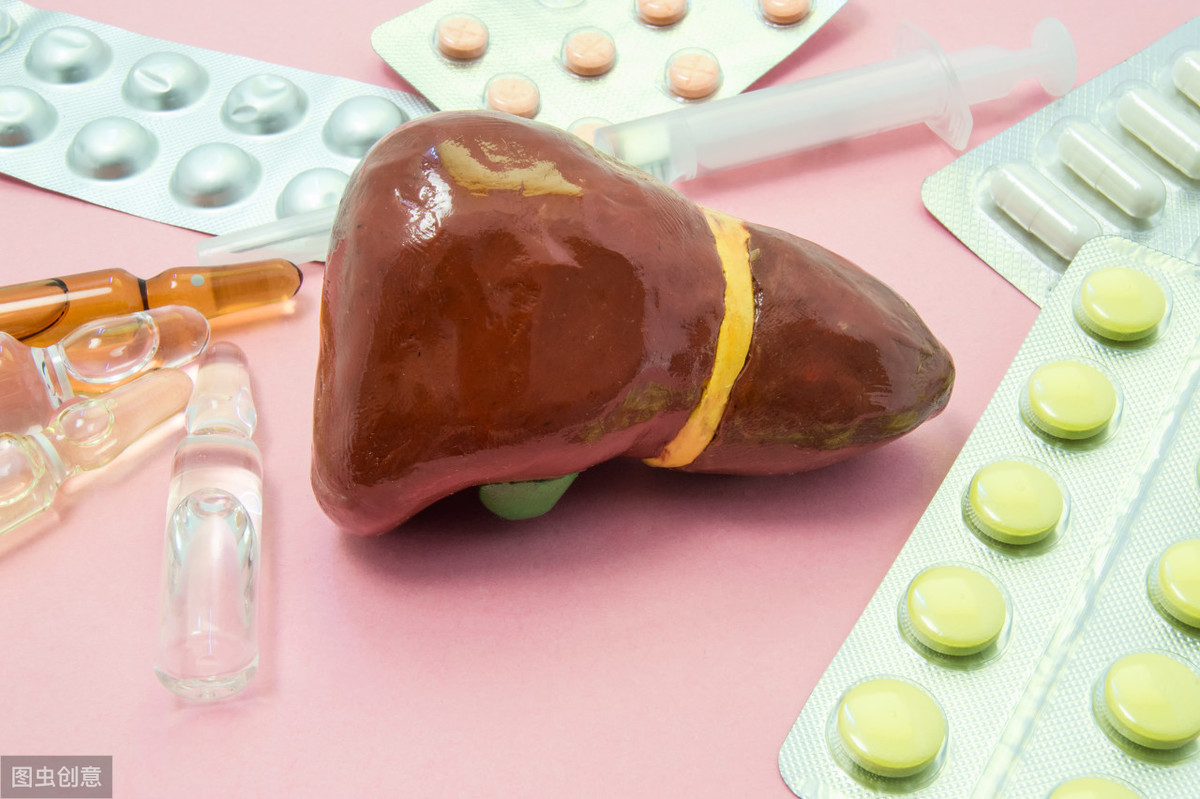
I. Which medications can damage the liver?
1. Medications for cardiovascular diseases
Some lipid-lowering drugs, such as statins, fibrates, and niacin, can cause liver damage;
Some antihypertensive drugs, such as methyldopa and hydralazine, can also cause liver damage.
Some antiarrhythmic drugs, such as quinidine and amiodarone, can also cause liver injury.
2. Some antidiabetic medications
such as gliclazide, glibenclamide, gliquidone, and phenformin, should also be monitored for potential liver function impairment.
3. Antituberculosis drugs
Commonly used medications include isoniazid and rifampin. When these two drugs are combined for treatment, the relative risk of hepatotoxicity is 1.6 times that of using isoniazid alone.
4. Antifungal Drugs
Azole antifungals (such as fluconazole, itraconazole, voriconazole, etc.) have hepatotoxicity, and liver function should be monitored regularly.
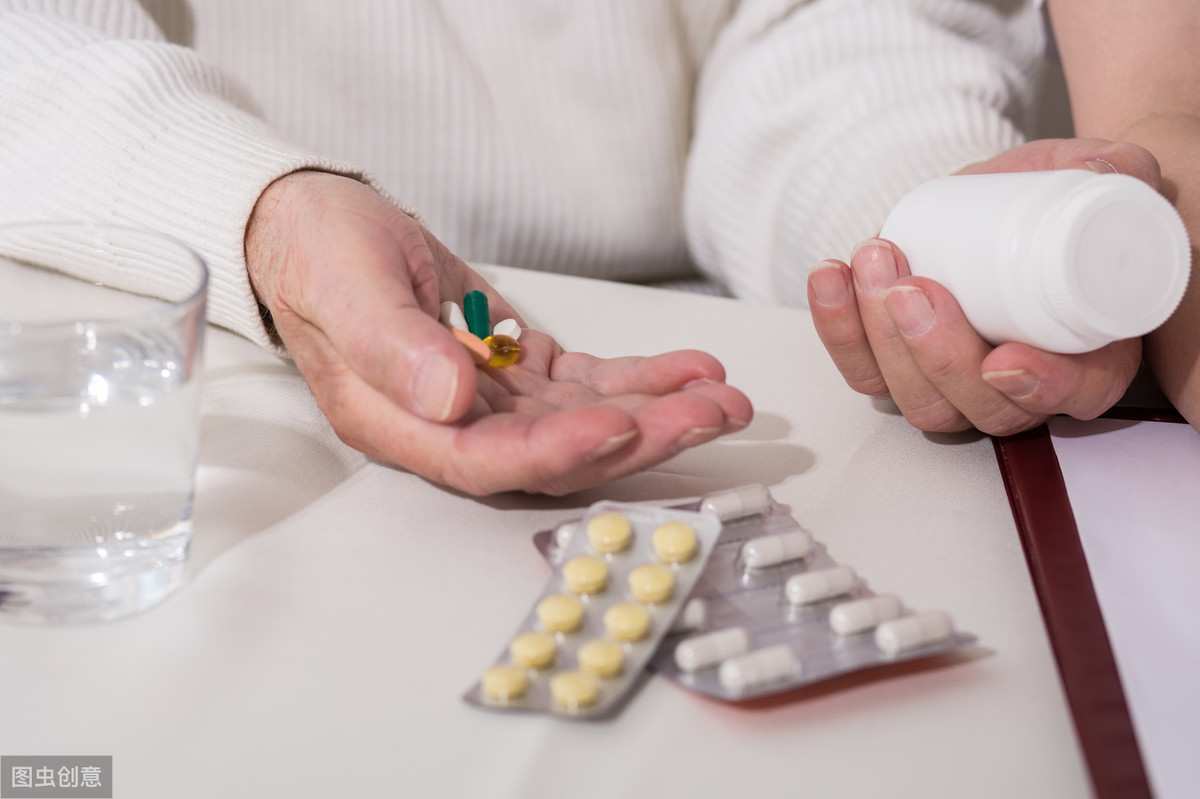
5. Drugs for Digestive System Diseases
Cimetidine, ranitidine, and asparaginase can all cause toxic liver damage.
6. Hypnotic and Sedative Drugs
Phenobarbital, diazepam, nitrazepam, lorazepam, estazolam, etc., not only harm the liver but also damage the central nervous system, muscle tissue, and more.
7. Antiepileptic Drugs
Phenytoin sodium, carbamazepine, and sodium valproate are among the medications that can easily cause liver damage.
8. Antipsychotic Drugs
Chlorpromazine, perphenazine, haloperidol, sulpiride, risperidone, and others are prone to cause varying degrees of toxic effects on the liver.
9. Traditional Chinese Medicine
Single herbal medicines such as apricot kernel, trichosanthes root, and cocklebur fruit, and certain Chinese patent medicines such as Yinqiao tablets, Niuhuang Jiedu pills, and Gegen Decoction, etc.
II. How to reduce liver damage?
1.First, understand the medication. Drugs that have liver-damaging side effects are typically indicated in the instructions, which require patients to regularly monitor liver function, take precautions, and not overlook them.
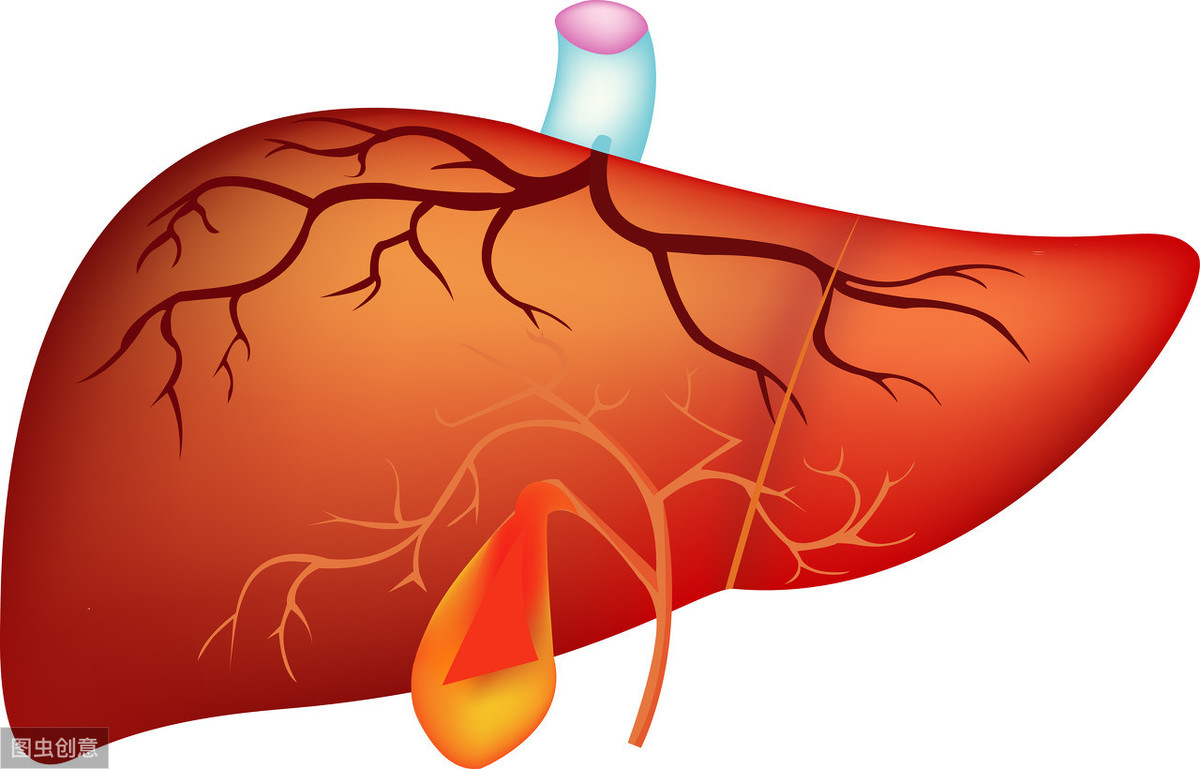
2. Avoid the concurrent use of multiple drugs, as drug interactions often affect each other during liver metabolism, increasing the burden on the liver.
3. Avoid alcohol consumption during medication, as alcohol increases the burden on the liver, induces the production of reactive free radicals, and enhances drug-induced liver damage.
4. Follow the doctor's instructions when taking medication. Many drugs in daily life can have toxic side effects on the liver. Therefore, patients with liver conditions must adhere to medical guidance. Additionally, it is crucial to take medication on time and in the prescribed dosage, avoiding sudden increases or decreases.
5. Patients on long-term medication should pay close attention to changes in their body. Symptoms such as abnormal liver function tests or signs like fatigue, poor appetite, aversion to oily foods, nausea, vomiting, dark urine, or yellowing of the skin may indicate liver injury. Medication should be stopped immediately in such cases.
6. If there is a history of drug-induced liver injury, it is essential to inform the doctor to avoid reusing the same medication.