Facing Advanced Cancer: To Treat or Not to Treat? A Look at This Elderly Liver Cancer Patient's Choice
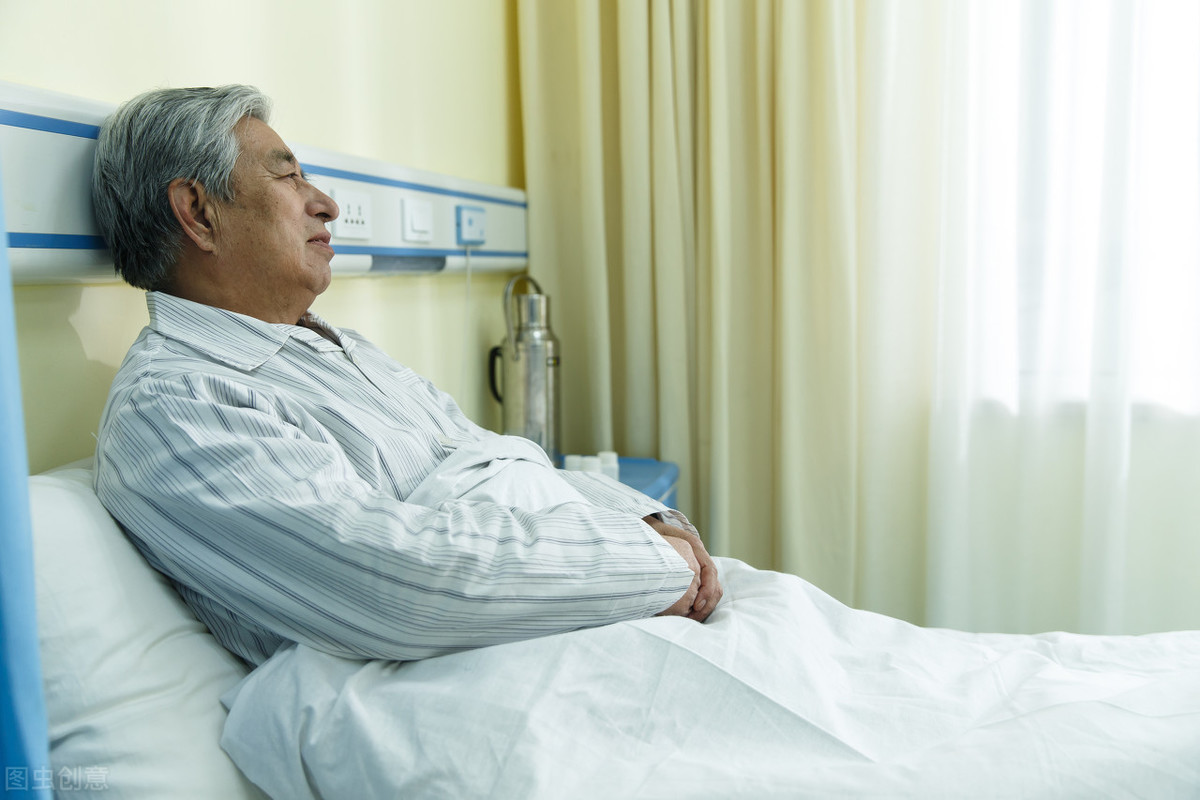
Two months ago, I admitted a patient in his seventies. The elderly man arrived with a dark complexion and was noticeably emaciated. Several of his adult children accompanied him, and a few young children stood quietly by his bedside, likely his grandchildren. According to his children, the elderly man had always been fond of drinking, consuming about two liang (approximately 100 grams) of alcohol daily with his meals. His health had been generally good, with no major issues to speak of. However, over the past month, he had inexplicably begun losing weight, dropping over 30 jin (approximately 15 kilograms). His appetite remained fairly normal, but his bowel habits had changed drastically; whereas he previously had 4-5 bowel movements a day, now even one was considered a lot. Recently, he had been experiencing severe pain in the upper right abdomen at night, accompanied by a general lack of energy. Previously, he would often go to the park after meals to play chess or take a stroll. Now, he just lies in bed, lacking the desire to move. He was brought in after fainting from vomiting blood in the bathroom.
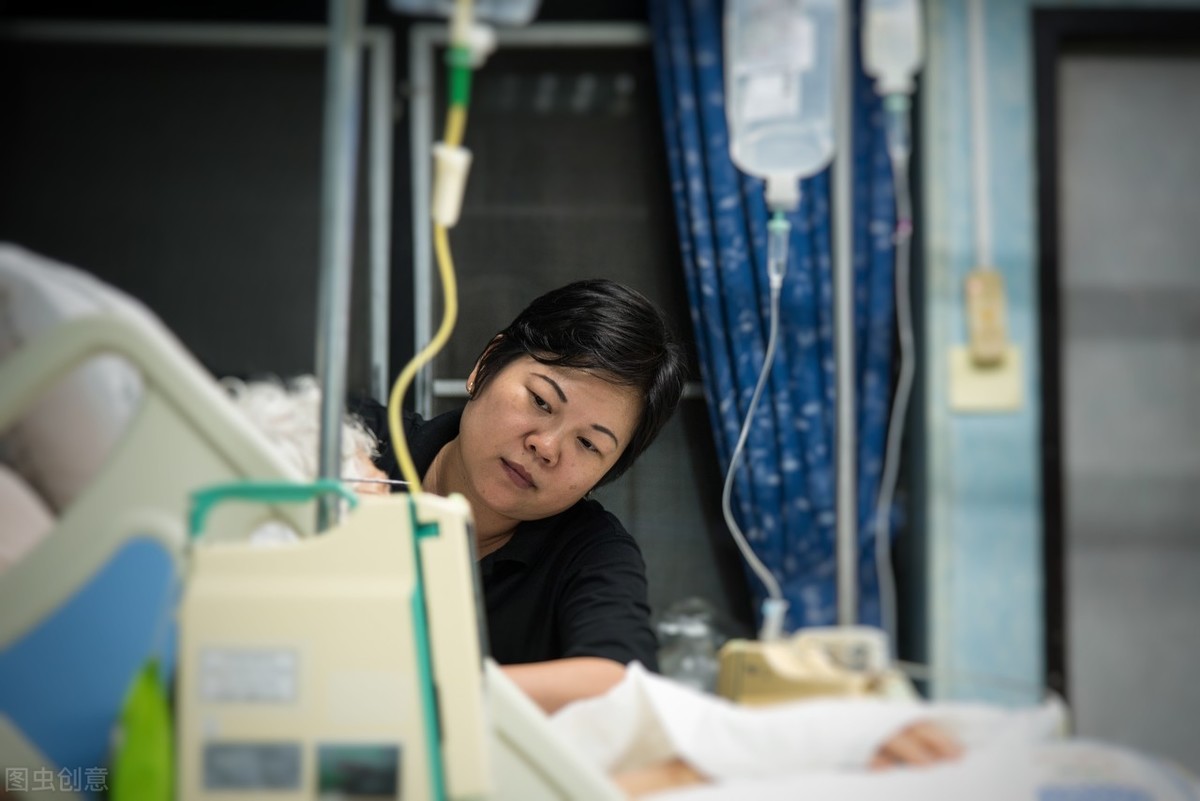
After hearing the family's description, I couldn't help but furrow my brow and feel a pang of concern for the patient, though I knew a definitive conclusion would have to wait for the test results. The family members were extremely anxious, persistently asking me what illness the elderly man had and whether he would be alright. His little granddaughter tugged at her mother's clothes, asking, "Will grandpa still take me to the park tomorrow? He hasn't taken me out to play for days."

The test results are in, and the worst-case scenario has unfortunately come to pass. The patient has late-stage liver cancer, and to make matters worse, the cancer cells have already metastasized. Every time I have to deliver such news to a patient's family, my heart aches deeply. This time, the pain is even more profound—the old man’s children broke down in tears. Some of the sons stepped out into the hallway to wipe away their tears, while others retreated to the restroom to weep. His only daughter remained in the hospital room, clutching the patient’s hand as she reminisced about the moments from their childhood when he had cared for them, sobbing and reproaching him for leaving so soon. The young children nearby, seeing their parents cry, began to weep as well.

By evening, the old man had regained consciousness from his coma, and his children had somewhat steadied their emotions, beginning to discuss treatment options. I presented the treatment plan to the family, recommending a combined approach of Chinese and Western medicine for symptomatic management, aiming to extend the patient’s life and improve his quality of life. From their words, I could tell the family’s financial situation was not affluent, yet the children were determined to pursue treatment to prolong their father’s life. When the patient awoke and learned of his condition, he simply wept—no one wants to leave their children behind. However, when the topic of treatment came up, the old man outright refused. No matter how much his children pleaded, he remained resolute in declining treatment. Perhaps he was all too aware of his children’s financial struggles and did not want to burden them further.
The elderly father scolded his child: "Enough, stop arguing! I'm not going to undergo treatment. Even with treatment, it won’t cure me—I’m fully aware. I’ve lived long enough as it is. Don’t trouble yourselves over me for whatever time I have left. Just being able to spend a few more days with all of you is enough for me." After a long argument between the family and the patient, they ultimately followed the old man’s wishes.