Does Gum Bleeding in Liver Disease Patients Indicate Worsening of the Condition?
After liver damage occurs in many liver disease patients, liver function declines, leading to a reduction in the liver's ability to synthesize coagulation factors. This decreases the coagulation function of liver disease patients, increasing their risk of bleeding. The main manifestations include gum bleeding, nosebleeds, skin hemorrhagic spots, and ecchymosis. So, when some chronic liver disease patients notice gum bleeding during morning brushing, does this necessarily mean that their liver condition is worsening?
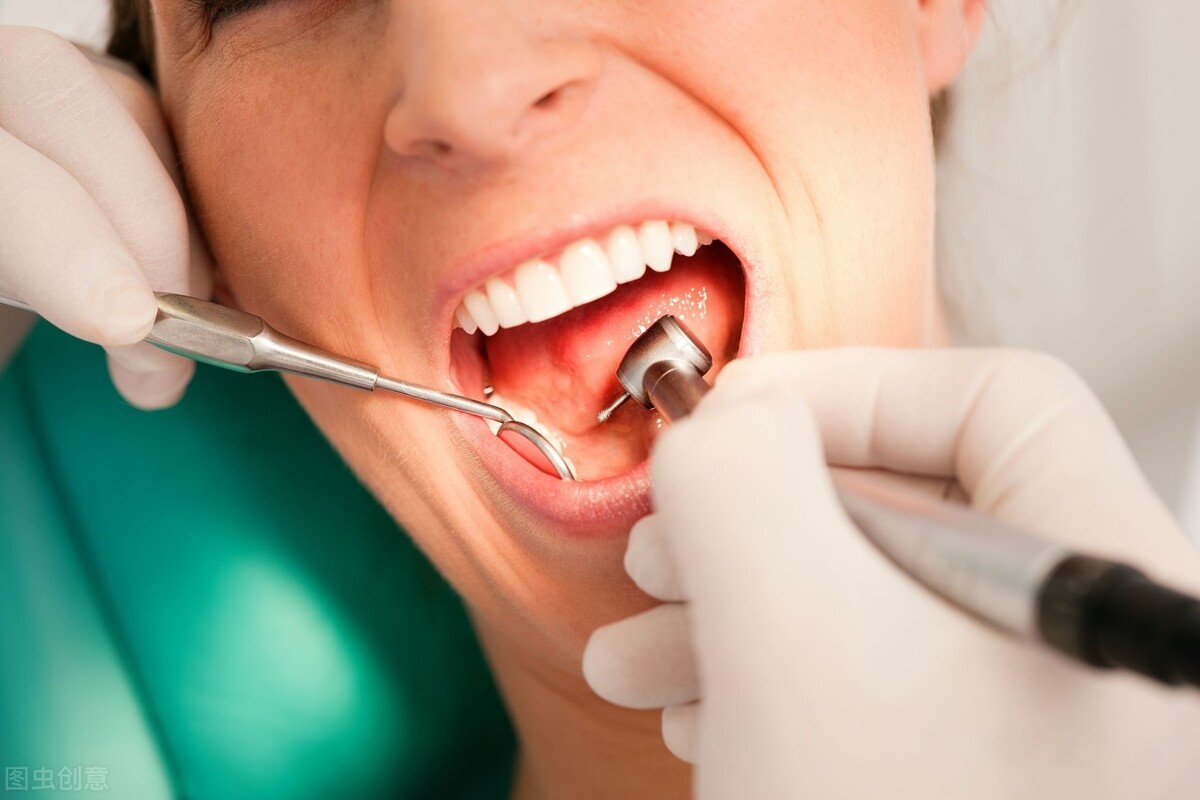
In fact, that is not necessarily the case. Based on clinical observations of a subset of liver disease patients, it has been found that most instances of gum bleeding are not directly related to liver disease. Instead, they are more commonly caused by local gum issues or other conditions, primarily including the following aspects:
I. Systemic Factors
1. Impact of Systemic Diseases
Conditions such as diabetes, cardiovascular diseases, hematological disorders, liver or kidney dysfunction, and tumors can lead to decreased body immunity, reduced resistance to local irritation, trigger gingival inflammation, and cause coagulation dysfunction.
2. Endocrine Changes and Abnormal Hormone Levels
As seen with elevated progesterone and sex hormones, the gingiva may develop specific inflammatory responses to minor stimuli, such as puberty gingivitis, pregnancy gingivitis, and epulis.
3. External Factors

Factors such as smoking or taking anticoagulant medications can also lead to gingival bleeding.
2. Local Factors
1. Local inflammatory conditions such as gingivitis and periodontitis
These are primarily caused by local irritation from plaque and calculus. Accumulation of plaque and calculus, which may result from food impaction, poor restorative work, or improper oral hygiene habits, can lead to inflammation of the periodontal tissues. This often manifests as bleeding gums during brushing.
2. Local tissue allergies
When periodontal tissues are exposed to allergens, an allergic reaction may occur. If the gums are affected, symptoms such as gum swelling and a tendency to bleed easily, as seen in conditions like plasma cell gingivitis, can arise.
3. Gingival Trauma and Periodontal Surgery
4. Other Local Irritating Factors (Non-plaque Calculus) and Bad Habits
Localized inflammation such as periodontitis and hyperplastic gingivitis can be triggered by factors including chemical or mechanical irritation, ill-fitting restorations, orthodontic appliances, or dental fillings, as well as mouth breathing.
Friendly Reminder: Gums bleeding while brushing teeth are not necessarily caused by liver disease. It is important to rule out other factors that can lead to gum bleeding and identify the exact cause for targeted treatment.