What are the differences between acute hepatitis and chronic hepatitis, and how should care be provided?
Hepatitis is a general term for liver inflammation. Based on the duration of the disease, hepatitis is mainly divided into acute hepatitis and chronic hepatitis. If acute hepatitis is not effectively treated and controlled, it can develop into chronic hepatitis, increasing the difficulty of treatment, making the condition prone to deterioration, and leading to liver fibrosis or cirrhosis.
Although both are hepatitis, acute hepatitis and chronic hepatitis still differ in various aspects. Today, let's analyze the differences between acute and chronic hepatitis!
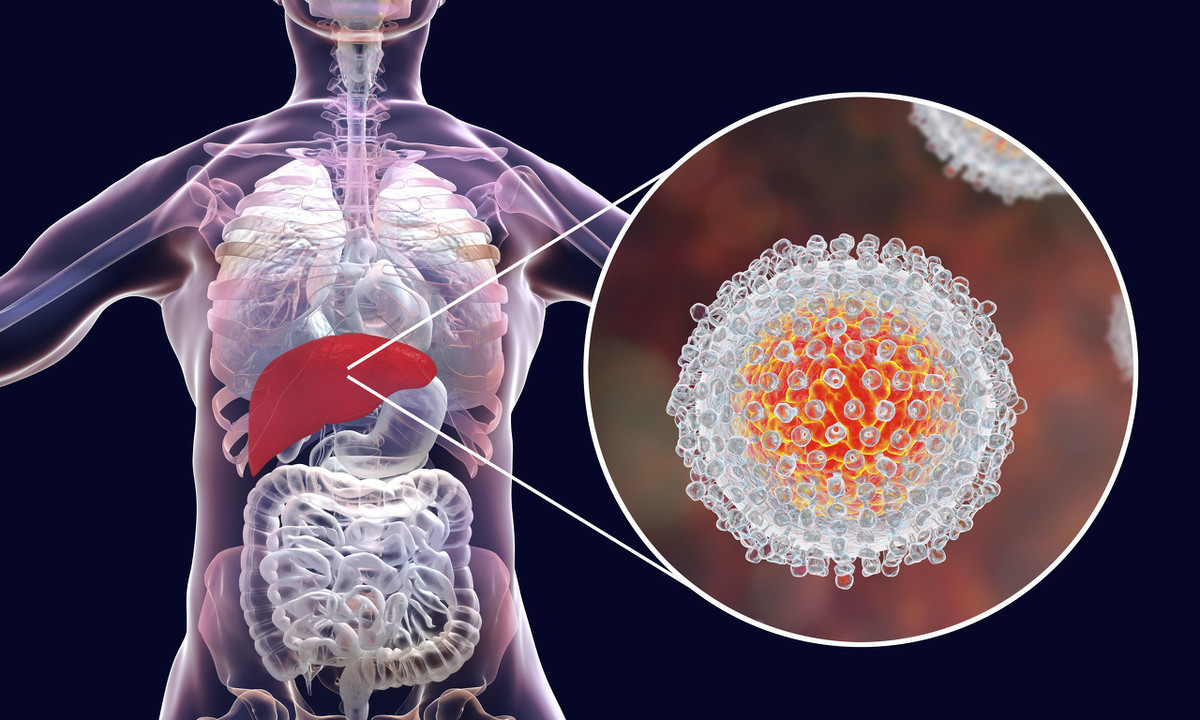
I. What are the differences between acute hepatitis and chronic hepatitis?
1. Different Symptoms
Most hepatitis patients may experience symptoms such as general fatigue, insomnia and vivid dreams, abdominal distension and pain, nausea and vomiting, aversion to oily foods, and decreased appetite. The symptoms are particularly evident in patients with acute hepatitis.
But patients with chronic hepatitis do not exhibit such obvious symptoms and may even have no symptoms at all. However, some chronic patients may experience symptoms such as gum bleeding and spider angiomas.
2. Different Duration of Onset
As long as acute hepatitis patients choose a proper hospital for treatment and strictly follow the doctor's instructions for medication, liver function can typically return to normal in about two months. By getting adequate rest and avoiding physical overexertion during this period, they can remain disease-free for many years or even for a lifetime.
Even with timely and effective treatment, chronic hepatitis patients may experience disease flare-ups due to improper medication use, unhealthy lifestyles, or negative emotional states.

3. Differences in Biochemical Tests
Because the degree of liver damage varies, its impact on bodily functions also differs significantly.
In patients with chronic hepatitis, the elevation of transaminases is not very pronounced and may even remain within the normal range; in patients with acute hepatitis, transaminase levels persistently rise.
In patients with chronic hepatitis, the ratio of serum albumin to globulin becomes abnormal; in patients with acute hepatitis, the indicator tests are normal.
II. How should hepatitis patients be cared for?
1. Balanced Diet
A fresh, natural, and balanced diet is most important, avoiding processed foods such as stale, moldy, fried, smoked, pickled, or canned items. Additionally, it is crucial to resist the temptation of alcohol. The liver is the primary site of alcohol metabolism, and both alcohol and its metabolites can damage liver cells, leading to alcoholic liver disease. This condition can even progress to cirrhosis and significantly increase the risk of liver cancer. Therefore, patients with hepatitis should minimize alcohol consumption, ideally avoiding it altogether to stay away from alcohol.
2. Adequate Rest and Sleep
Adequate rest and sleep are fundamental aspects of healthcare for hepatitis patients. As long as you generally feel energetic or do not experience fatigue after activities, you have achieved a state of sufficient rest.

3. Use medications that may harm the liver with caution.
The liver is a metabolic organ, and the drug metabolism process often produces some toxic substances, which can easily damage the liver and lead to drug-induced hepatitis, and may even worsen the liver condition. Therefore, before taking any medication or folk remedies, it is recommended to seek evaluation from a professional physician.
4. Reasonable exercise
Reasonable exercise can enhance the physical fitness of patients with liver disease, improve their immunity, and prevent the occurrence of other diseases. It can also help avoid the worsening of the patient's condition. However, patients with liver disease should exercise in moderation and avoid intense physical activity, as it may increase the burden on the liver. Suitable exercises for hepatitis patients include walking, jogging, swimming, and practicing Tai Chi.