Can Hepatitis B Be Cured? You Should Know These Treatment Methods
China is a major country with hepatitis B, and the core treatment for hepatitis B is antiviral therapy, which is a long and difficult process. So, can hepatitis B be cured?
I. Can Hepatitis B Be Cured?
Current antiviral medications cannot completely eradicate the hepatitis B virus, so the ideal cure for hepatitis B is referred to as "functional cure" or "clinical cure." The goal is to achieve seroclearance of hepatitis B surface antigen, no relapse after stopping medication, improvement of liver function, and reduction in the likelihood of cirrhosis, liver failure, and liver cancer, thereby enhancing patients' quality of life.

Different patient groups have different treatment goals, but regardless of the type of hepatitis B treatment, it is essential to adhere strictly to medical advice, follow long-term treatment courses, avoid self-discontinuation of medication, and focus on self-management in daily life—avoid staying up late, drinking alcohol, or consuming fried and high-fat foods. Strengthening exercise can help achieve the ideal treatment goals.
II. What Are the Treatment Methods for Hepatitis B?
1. General Treatment
People with chronic hepatitis B should focus on rest, maintain a reasonable diet, develop a correct understanding of their condition, and build confidence in recovery.
First, it is crucial to quit drinking and consume a balanced intake of high-protein, high-vitamin, and easily digestible foods. For patients with severe hepatitis complicated by hepatic encephalopathy, a low-protein diet should be strictly followed under medical advice.
2. Medication Treatment
Antiviral therapy
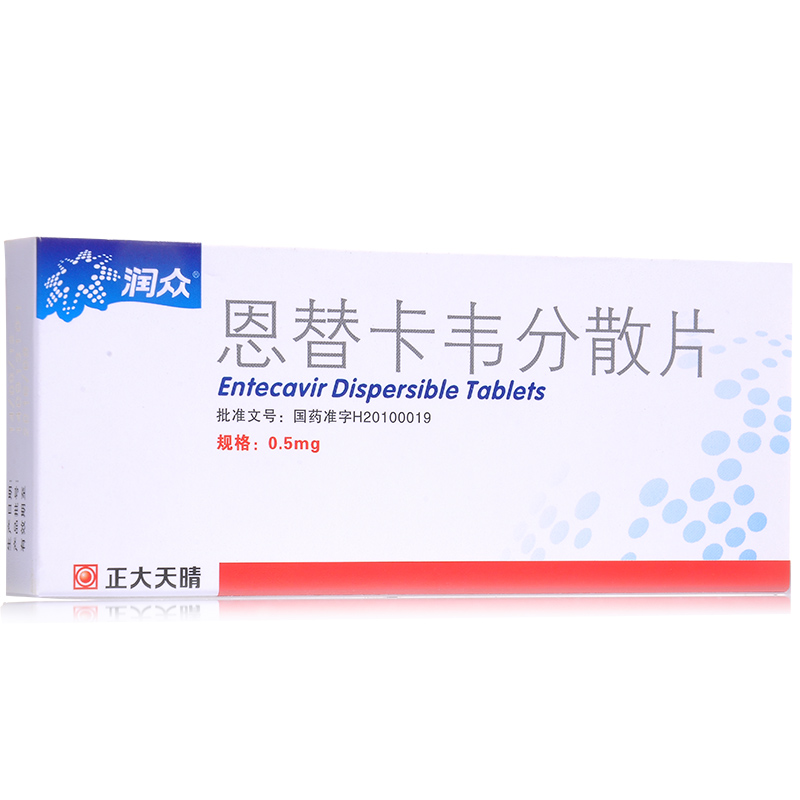
Based on the patient's serum HBV-DNA levels, alanine aminotransferase (ALT) levels, and the severity of liver disease, combined with factors such as age, family history, and comorbidities, the doctor will conduct a comprehensive assessment of the patient's risk of disease progression to determine whether antiviral therapy is needed and, if so, which antiviral regimen to administer.
Antifibrotic Therapy
Currently, the most effective antifibrotic treatment is antiviral therapy. Certain traditional Chinese patent medicines, such as Anluo Huaxian Pills, Fufang Biejia Ruangan Tablets, and Huoxue Huayu Capsules, also show some efficacy.
3. Surgical Treatment
Chronic hepatitis B generally does not require surgical treatment. However, when the disease progresses to end-stage cirrhosis or liver failure, liver transplantation surgery may be considered. For patients undergoing liver transplantation due to HBV infection, lifelong antiviral medication is necessary to prevent hepatitis B recurrence.
4. Traditional Chinese Medicine Treatment
Traditional Chinese herbal medicine has certain effects in protecting the liver, lowering enzyme levels, reducing jaundice, and combating fibrosis. However, it is crucial to seek treatment at a legitimate hospital and avoid relying on folk remedies or receiving traditional Chinese medicine treatment from unregulated institutions.

5. Other Treatments
For patients with chronic hepatitis B who develop multiple complications due to liver failure, a variety of supportive treatments and artificial liver support systems are required. This approach holds certain value for advanced severe hepatitis and liver failure, buying time for hepatocyte regeneration or preparing for liver transplantation.
6. Cutting-Edge Treatment
In recent years, multiple new drugs have entered the clinical trial stage, primarily including antiviral drugs that directly target HBV, as well as immune-modulating drugs such as immune activators and therapeutic vaccines. However, most are still in the preclinical, Phase I, or Phase II clinical trial stages.
Patients with chronic hepatitis B require a comprehensive and individualized treatment plan based on their specific condition, which includes adequate rest, a reasonable diet and nutrition, psychological adjustment, avoiding alcohol and drugs that harm the liver, appropriate medication to improve and restore liver function, regulation of immune function, as well as antiviral and antifibrotic therapy.