What are the effects on the body after liver resection for liver cancer patients? What should be noted?
Currently, the incidence of liver disease is increasing year by year. Some patients have milder conditions, and lesions can be resolved through medication and physical therapy. However, other liver disease patients have more severe conditions and can only be treated with surgical intervention. But is liver resection safe? What are the effects on the patient's body after resection?
I. What are the effects on the body after liver resection?
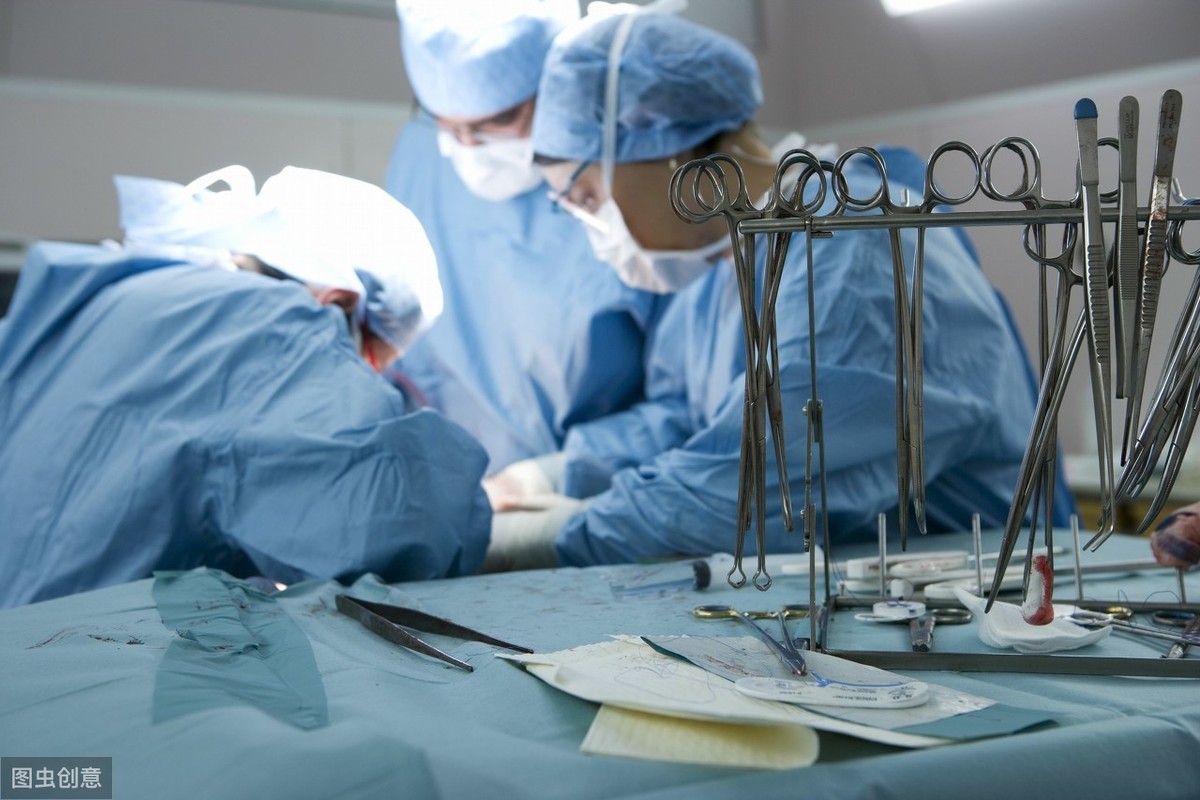
1. The liver is divided into the left and right lobes. If there is no history of liver disease and the liver's reserve function is good, even after a left hepatectomy, the remaining right lobe can still meet the body's physiological metabolic needs. After left hepatectomy for benign diseases, patients generally do not experience significant adverse effects, and liver function tends to recover quickly to normal levels.
2. However, it is important to note that liver resection itself may lead to complications such as bleeding and bile leakage, which can affect the patient's recovery. Additionally, intestinal adhesions may occur, potentially leading to adhesive intestinal obstruction and impacting the patient's quality of life.
For patients with a history of cirrhosis, even if preoperative assessments indicate adequate liver function reserve, undergoing left hepatectomy carries a certain risk of postoperative liver dysfunction or even acute liver failure.
3. It may lead to severe complications such as upper gastrointestinal bleeding and hepatic encephalopathy, endangering the patient's life and ultimately resulting in death. If the left hepatectomy is performed due to malignant liver tumors, even with radical resection, recurrence and metastasis may still occur, with a 5-year survival rate not exceeding 30%.
II. What should be noted after undergoing liver resection surgery?
1. Strengthen Nutrition
Patients who have undergone liver resection must pay attention to postoperative nourishment. Only by consuming sufficient nutrients can they recover more quickly. However, when supplementing nutrition, adjustments should be made based on individual conditions. Relying solely on one type of nutrient may lead to nutritional imbalances in the body, which could hinder postoperative recovery.
2. Avoid High-Protein Foods
Many people believe that no matter what type of surgery is performed, consuming plenty of high-protein foods after the procedure aids in recovery. In fact, for patients who have undergone liver resection surgery, excessive consumption of high-protein foods can increase the burden on the liver, which in turn hinders liver regeneration and repair.
3. Pay attention to rest

For patients who have undergone liver resection surgery, it is not advisable to overexert themselves. It is best to rest at home for a period of time, allowing for sufficient energy to recuperate. Only by ensuring a good recovery rate can the resected portion of the liver be restored through regeneration.
4. Pay attention to your lifestyle habits
After liver resection surgery, patients should pay attention to their lifestyle habits, quit smoking and drinking, adopt a scientifically balanced diet, and engage in moderate exercise as permitted by their physical condition. However, it is advisable to choose low-intensity forms of exercise such as walking or Tai Chi, and avoid strenuous activities like rope skipping and running.
The liver can regenerate after partial resection. Not only is the liver capable of regeneration, but it is also the organ with the strongest regenerative capacity in the body. However, it is essential to remember to take good care of it.