What are the signs of worsening hepatic ascites? Patients with liver disease need to be on high alert!
The occurrence of hepatic ascites often indicates that the condition of liver disease patients has progressed to a relatively severe stage, and hepatic ascites is difficult to eliminate, which brings significant difficulties to the lives of many patients.
Especially when hepatic ascites worsens, patients not only experience unbearable abdominal distension but may even become unable to care for themselves. So, what are the warning signs that can help us anticipate the worsening of hepatic ascites beforehand? How can we prevent the deterioration of hepatic ascites?
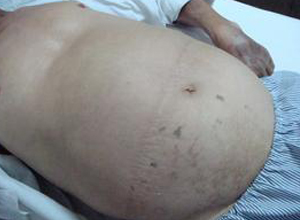
I. Warning signs of worsening hepatic ascites
1. Experiencing extreme fatigue and weakness to the point where self-care becomes difficult, accompanied by a significant loss of appetite and a noticeable reduction in daily food intake;
2. Obvious bleeding tendency, including not only bleeding gums and nosebleeds but also the appearance of bleeding points on the skin and mucous membranes, bruising at injection or puncture sites, black tarry stools or even bloody stools. Laboratory tests show a prothrombin time decreased to below 40%. Persistent hiccups should be regarded as a precursor to gastrointestinal bleeding.
3. Severe abdominal distension, particularly severe at night, causing restlessness, inability to sleep throughout the night, shortness of breath, and chest tightness. If any of the above "three severe symptoms" appear individually and cannot be relieved by rest, diet, or self-care, immediate medical attention should be sought.
4. Recent onset of uncontrollable low-grade fever, accompanied by elevated neutrophils in blood tests, along with findings of hyponatremia, hypokalemia, and hypoglycemia, which cannot be alleviated by general measures.
5. Swelling in the lower limbs and face, increased abdominal girth, presence of ascites, accompanied by a progressive decrease in urine output, with less than 500ml within 24 hours.
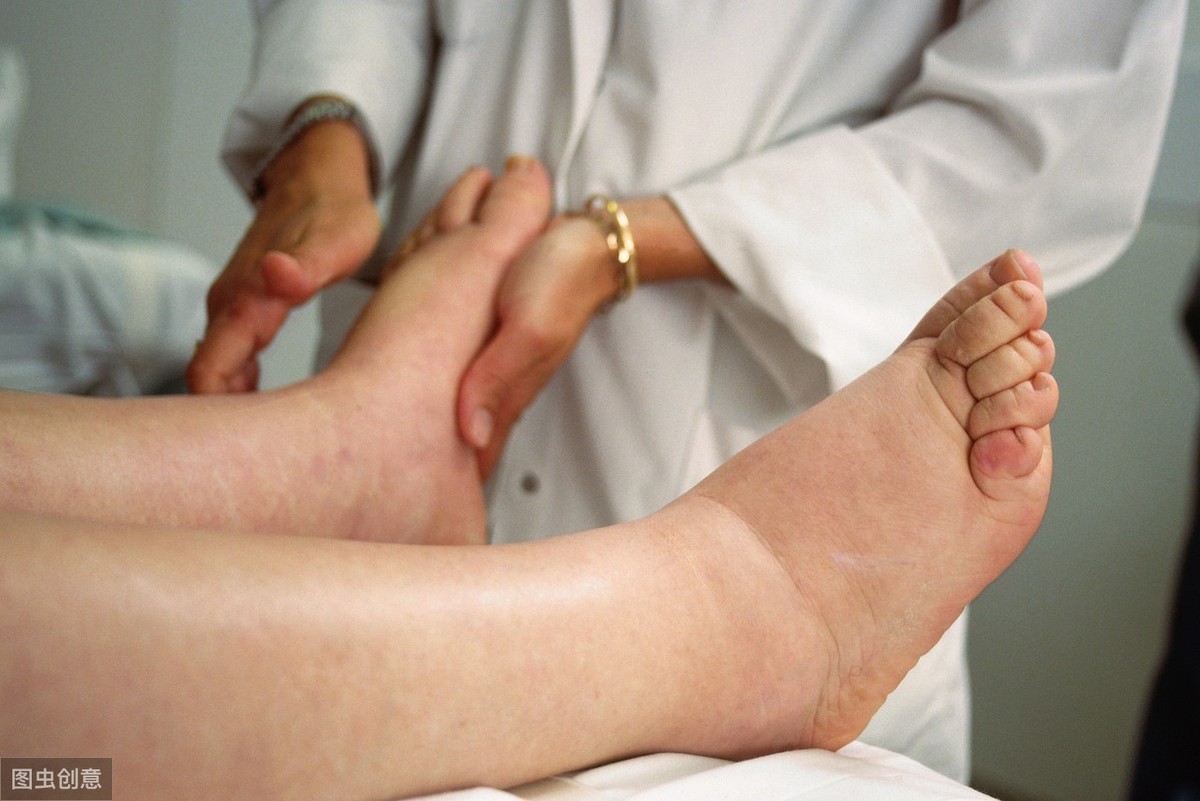
6. Reappearance of jaundice or a sudden increase in a previously stable low bilirubin index.
7. If a patient shows abnormal mental status, suddenly becomes excited and talkative but with incoherent speech, or exhibits impairments in orientation and calculation abilities, one should be alert for the onset of hepatic encephalopathy.
II. How to prevent the progression of hepatic ascites
1. A Reasonable Diet
Patients with hepatic ascites should consume a diet high in protein, vitamins, and carbohydrates, but low in fat. This helps replenish necessary substances in the body, reduce the burden on the liver, and enhance the capacity for hepatocyte repair and regeneration. Fat intake should not be excessive to avoid accumulation and the development of fatty liver.
2. Use Medications with Caution
The liver is the organ responsible for metabolizing most medications, and the drug metabolism process often produces toxic substances that can harm the liver, leading to drug-induced hepatitis and exacerbating ascites. Therefore, before taking any medications or folk remedies, it is advisable to first consult a professional physician for evaluation.
3. Quit Smoking and Alcohol

Patients with hepatic ascites must abstain from alcohol and smoking. The main component of alcohol is ethanol, which converts into the harmful substance acetaldehyde in the liver, causing significant damage. In patients with cirrhosis, the liver is already severely impaired. Drinking alcohol in such cases will only accelerate the progression of the disease and increase the risk of alcoholic liver disease.
4. Engage in Moderate Exercise
Patients with hepatic ascites can engage in moderate, gentle, and aerobic exercises, such as walking, cycling, swimming, and ball games, as their condition allows. Appropriate physical activity can help enhance immunity and improve physical endurance.
Patients with hepatic ascites must take the above warning signs seriously in the near future! Avoid deterioration of hepatic ascites leading to further aggravation of the condition!