Advantages and Disadvantages of Five Types of Hepatitis B Antiviral Drugs: Have You Made the Right Choice?
It is widely known that the core treatment for hepatitis B patients is antiviral therapy. This process is long-term, and during treatment, various side effects such as drug resistance may arise. Therefore, selecting the correct and suitable antiviral drug is crucial. Before making a choice, it is important to first understand the types of nucleoside analog antiviral drugs available and their respective advantages and disadvantages.
1. Lamivudine
1. Its antiviral effect is relatively rapid, and the recovery time after liver function impairment is comparatively quick;
2. The price is relatively affordable;

3. However, due to the high resistance rate affecting its efficacy, lamivudine is no longer recommended as a first-line drug. Data show that the resistance rate of lamivudine reaches around 70% after five years of medication, indicating a very high level of resistance.
二、Adefovir Dipivoxil
1. Its first characteristic is that it takes effect relatively quickly.
2. Secondly, compared to lamivudine, the resistance rate has been significantly improved and is markedly lower.
3. Its drawback is that adefovir dipivoxil can cause significant kidney damage after long-term use. Data show that generally after five years of medication, the proportion of patients with elevated creatinine reaches about 3%–8%. Therefore, its renal damage gradually worsens over time.
Adefovir dipivoxil was the second nucleoside antiviral drug developed after lamivudine, but it is no longer considered a first-line medication.
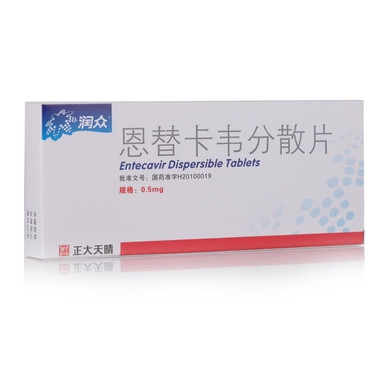
III. Entecavir
1. Its first advantage is that it acts relatively quickly.
2. Second, after liver function impairment, it can promote the recovery of liver function within a short period of medication.
3. Third, it has very low drug resistance, making it highly promoted and widely used in clinical practice. Therefore, it is recommended as a first-line antiviral medication.
Entecavir belongs to the third category of nucleoside drugs and has been one of the more ideal drugs among those introduced and imported domestically over the past decade.
IV. Tenofovir Disoproxil Fumarate (TDF)
1. The advantage is its rapid onset, with relatively quick recovery and improvement of liver function.
2. Its disadvantage lies in the significant kidney damage and bone damage it can cause, particularly affecting the absorption of calcium and phosphorus.
Research data analysis indicates that entecavir is superior to tenofovir disoproxil in terms of causing kidney damage and bone destruction, so between the two choices, entecavir is selected more frequently.
Why do nucleoside drugs affect bone density? This is because after renal damage, nucleoside drugs lead to increased absorption of phosphorus in the renal tubules, increased excretion of urinary phosphorus, and continuous release of bone phosphorus into the bloodstream. Ultimately, this results in decreased bone density and the occurrence of osteoporosis, and may even lead to fractures.

V. Tenofovir Alafenamide (TAF)
1. The advantage of tenofovir alafenamide over tenofovir disoproxil fumarate lies in its significantly reduced therapeutic dosage.
2. Secondly, it also greatly reduces the degree of kidney damage, as its incidence of renal impairment is very low.
This concludes the introduction to nucleoside antiviral drugs. The fundamental purpose of antiviral therapy for chronic hepatitis B is to achieve sustained suppression of hepatitis B virus reactivation, delay disease progression, reduce or even prevent the occurrence of cirrhosis and liver cancer, and improve patients' quality of life and survival. When selecting antiviral medications, it is essential to consult a specialist at a reputable hospital and, based on your individual condition, find the most suitable drug for you.