Four Major Drug Types for Treating Cirrhosis and Five Key Medication Precautions: Experts Weigh In!
In recent years, the incidence of liver disease in China has been rising annually, with liver cirrhosis patients constituting a substantial proportion of this population. So, what types of medications are available for the treatment of liver cirrhosis?
I. Four Major Drug Types for Treating Cirrhosis
1. Medications targeting the causes of liver cirrhosis
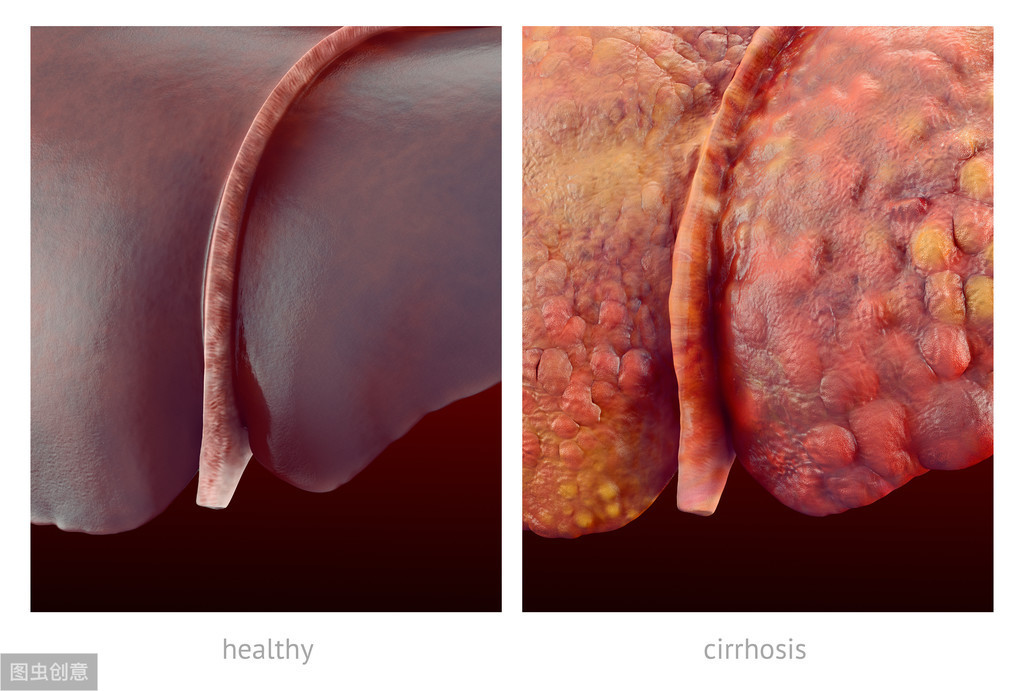
For instance, in cases of cirrhosis due to alcoholic liver damage, medications for treating alcoholic liver disease should be used; if cirrhosis is caused by a virus, antiviral medications should be administered. The use of these drugs first requires identifying the underlying cause, followed by selecting the appropriate medication based on the cause.
2. Anti-fibrotic medications
The main purpose of this medication is to prevent liver fibrosis, which helps slow the progression of liver failure. Some areas of the liver have already become hardened, while others are still in the fibrotic stage, so antifibrotic drugs are needed.
3. Liver-Protecting Medications
Among the commonly used medications in clinical practice today are vitamin-based drugs. B vitamins, once entering the human body, help prevent fat accumulation in the liver and protect liver cells. Vitamin C and vitamin E medications can block certain harmful factors from damaging liver cells, thereby providing protective effects for the liver.
4. Medications to Accelerate Toxin Elimination in Liver Disease
Once this type of medication is required, the patient's liver function impairment is already quite severe. One of the most typical symptoms of liver damage is yellowing of the complexion, accompanied by elevated transaminase levels. At this point, it is necessary to take medications that reduce enzyme levels and alleviate jaundice. After taking these types of medications, transaminase values will decrease, and the yellow complexion will gradually fade.
What are the key considerations for patients with cirrhosis when undergoing drug treatment?

II. Five Key Medication Precautions for Cirrhosis Patients
1. Targeted treatment based on the underlying cause.
There are various causes of cirrhosis, such as hepatitis viruses and alcohol consumption. Therefore, appropriate treatment methods should be adopted based on the specific underlying cause.
2. Medication for Complications
Patients with decompensated cirrhosis often experience various complications such as ascites, gastrointestinal bleeding, and hepatic encephalopathy. Active treatment of these complications is essential at this stage to prevent critical conditions.
3. Use Hepatoprotective Drugs with Caution
If liver function is normal, hepatoprotective drugs are generally not recommended. However, if liver function is abnormal, one or two drugs for liver protection, enzyme reduction, or bilirubin reduction may be considered.
4. Appropriately supplement vitamins

Some cirrhosis patients, especially those in the decompensated stage, often experience significant loss of appetite, diarrhea, and other symptoms indicating markedly weakened gastrointestinal function. It is advisable to appropriately supplement vitamins and trace elements.
However, it is important to note that vitamin medications should not be taken in excess, as they may cause toxic side effects.
5.Correct Use of Anti-Fibrotic Drugs
In early-stage liver cirrhosis, fibrosis tends to be more active, with significant increases in relevant indicators such as hyaluronic acid, serum procollagen type III, and laminin. Therefore, anti-fibrotic therapy is of great significance for preventing the onset and progression of early liver cirrhosis.
These are the four main types of drugs and five key precautions for patients undergoing treatment for liver cirrhosis. It is crucial to strictly follow these guidelines.