Can Hepatitis B Really Heal on Its Own? Listen to What the Experts Have to Say
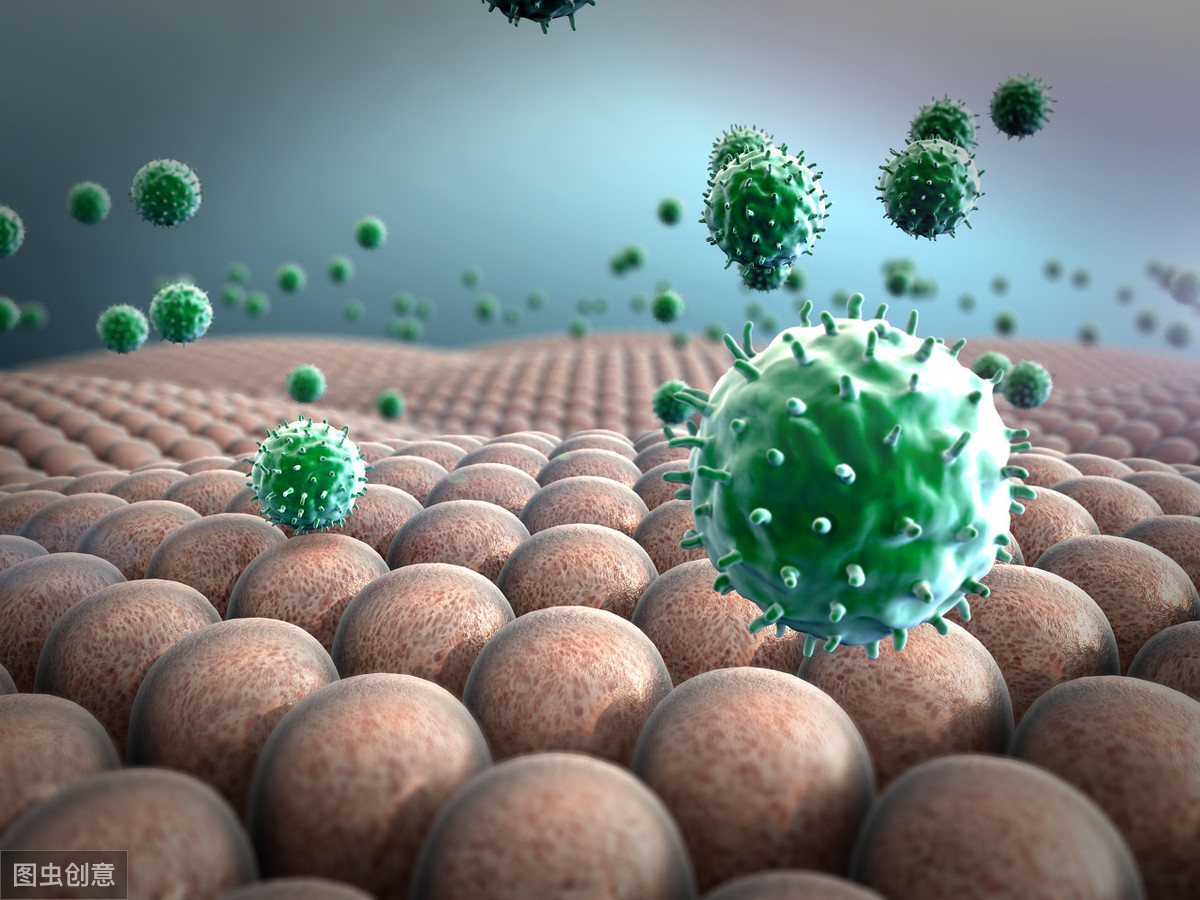
Hepatitis B is a type of hepatitis caused by infection with the hepatitis B virus. In people's ingrained perception, hepatitis B is a contagious and incurable disease.
Is it true that hepatitis B cannot heal on its own? Actually, that’s not the case. The production of hepatitis B antibodies in the body is a prerequisite for self-healing. Adults have a relatively well-developed and strong immune system, which makes it possible to resist and eliminate the invading hepatitis B virus. This is also closely related to physical fitness. If one’s immune resistance is weak, the possibility of self-healing decreases.
I. Can Hepatitis B Heal on Its Own?
Experts explain that most chronic hepatitis B patients in China are infected through mother-to-child transmission.
For individuals with no prior history of hepatitis B infection, the likelihood of progressing to chronic hepatitis B is only 15%-30%, while 70%-85% may clear the virus through their own immune system. This shows that not all hepatitis B virus infections become chronic, and hepatitis B does indeed have the potential to heal on its own.
In real life, some people may find that their test results differ over time. For example, they might have no hepatitis B antibodies in a previous checkup but show antibodies in a later test. This indicates that during that period, they were infected with the hepatitis B virus, but after their immune system cleared it, not only did they recover on their own, but they also developed hepatitis B antibodies.
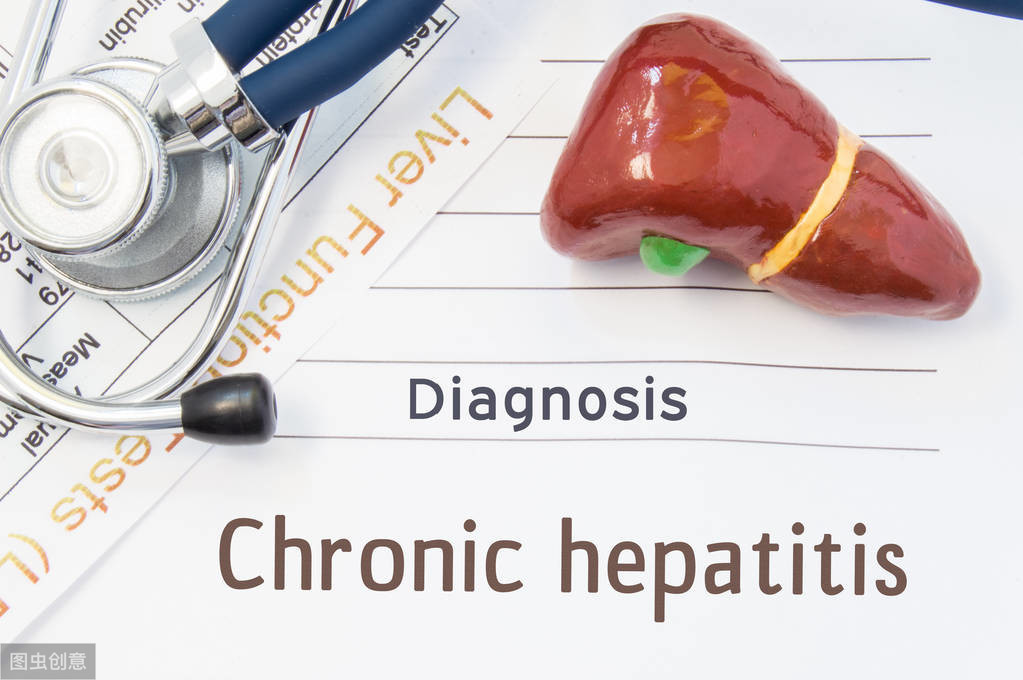
Most adults who become infected with the hepatitis B virus can recover spontaneously, and this self-healing process usually does not involve obvious symptoms. However, if severe symptoms occur, it is important to take them seriously, as they may indicate acute hepatitis, which requires prompt medical attention and treatment.
II. What Factors Can Promote the Self-Healing of Hepatitis B
1. Maintain Good Lifestyle Habits
In daily life, it is essential to avoid certain lifestyle taboos, such as drinking alcohol, smoking, staying up late, and overworking, as these can increase the burden on the liver, worsen liver damage, and exacerbate the condition.
2. Pay attention to dietary adjustments
An improper diet is one of the factors that can worsen the condition of hepatitis B patients. Therefore, it is important for hepatitis B patients to adjust their daily dietary structure, maintain balanced nutrition, and try to control the intake of fatty and sugary foods. These types of foods can increase the burden on the liver and are detrimental to the progression of the disease. It is recommended to consume more soy products, beef, chicken, fish, and fresh vegetables on a regular basis.

3. Take medication regularly and undergo check-ups periodically.
It cannot be denied that the very few hepatitis B patients who achieve self-recovery must have undergone treatment. It is essential to follow the advice of professional doctors, adhere to a regular medication regimen, and schedule regular follow-up examinations to stay informed about the state of liver lesions and address any issues promptly.
4. Maintain Optimism
Maintaining an optimistic mood and a happy state of mind can promote the body's metabolism and facilitate the excretion of harmful substances. Patients who are depressed or pessimistic often experience liver qi stagnation, poor complexion, and may even exacerbate their condition.
In conclusion, after contracting hepatitis B, there is a possibility of self-recovery, but the probability is very low, occurring only in a very small number of individuals. Moreover, upon learning of a hepatitis B diagnosis, it is essential to seek timely treatment at a qualified hospital and follow the doctor's recommendations.