How to Prevent Drug-Induced Liver Injury?
In recent years, with the improvement of sanitary conditions, the enhancement of public health awareness, and the implementation and promotion of measures such as vaccination and perinatal mother-to-child hepatitis B prevention, the incidence of viral hepatitis has significantly decreased. However, due to the launch of new drugs, drug abuse, and insufficient awareness, the proportion of drug-induced liver injury among liver diseases has significantly increased, which must be given sufficient attention.

What Common Medications Can Cause Liver Injury?
Globally, over 1,100 marketed drugs are known to have potential hepatotoxicity. In China, the use of Chinese herbal medicine ranks first among causes of drug-induced liver injury, followed by antimicrobial agents (anti-tuberculosis drugs, antibiotics, etc.), non-steroidal anti-inflammatory drugs and dietary supplements, as well as drugs used to treat various malignant tumors.
The clinical manifestations of drug-induced liver injury are diverse. Different drugs can cause the same type of liver injury, while the same drug can lead to different types of liver injury. Some drugs may be safe or cause only mild liver injury when used alone, but when combined with other medications, drug-drug interactions may occur, potentially exacerbating drug toxicity and leading to severe liver injury or even liver failure.
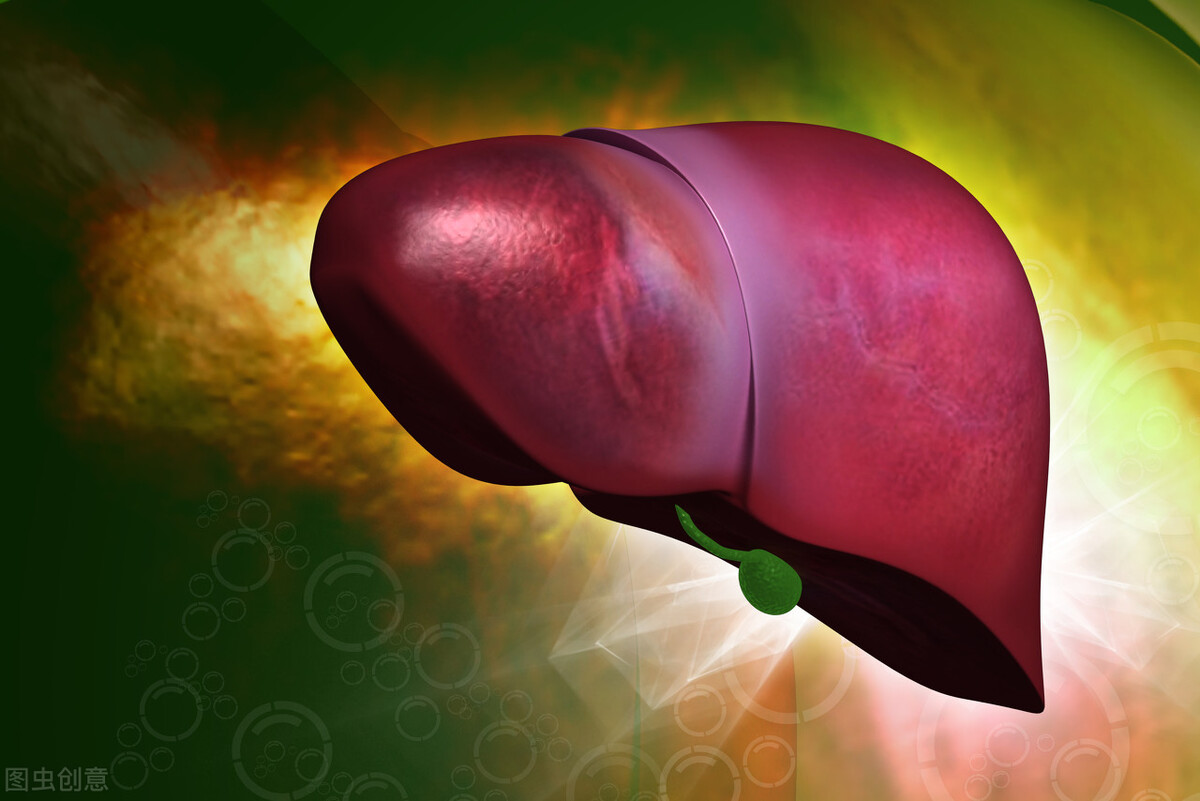
How do drugs cause liver injury?
It primarily involves the following two factors:
1. Direct toxic effects of drugs and their intermediate metabolites on the liver: This type of drug-induced liver injury is related to the dosage used and exhibits a dose-dependent pattern. The characteristic is that the higher the medication dosage, the greater the risk of liver damage. For instance, acetaminophen tablets, commonly found in everyday cold medicines, frequently cause liver failure cases abroad due to high-dose usage.
2. Idiosyncratic reactions of the body to drugs: This is related to the unique constitution of the body. While the use of such drugs is safe for most people, only a small number of individuals may experience liver injury, and the severity of the injury is often more pronounced. This type of liver injury is usually not related to the dosage of the drug but rather to the individual’s constitution. It may be due to allergic reactions to this class of drugs in such individuals.
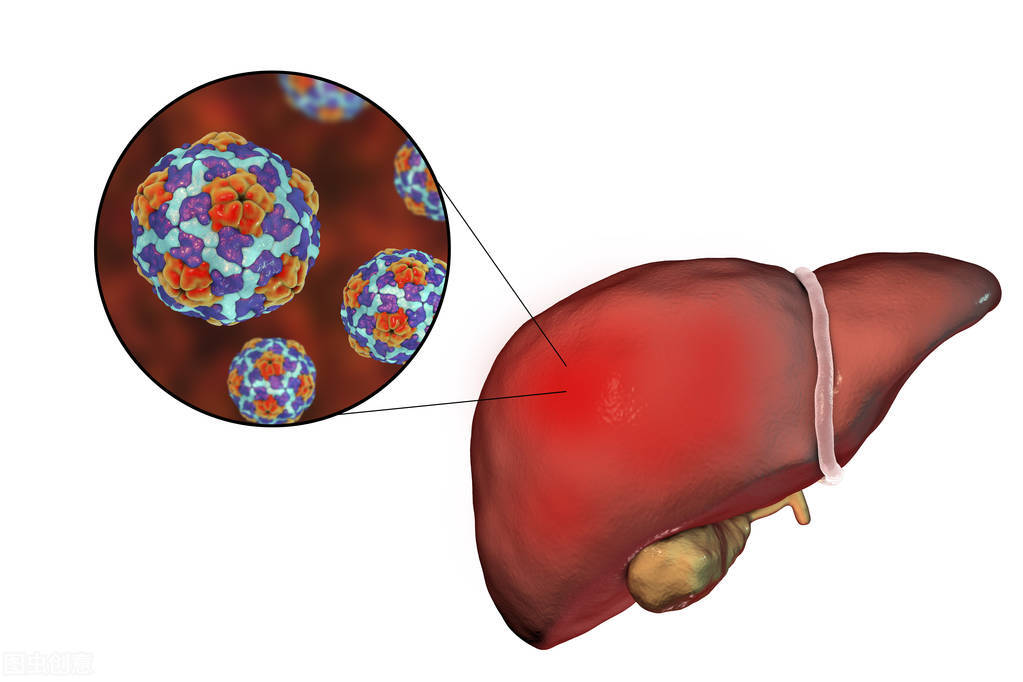
How to prevent drug-induced liver injury?
1. Use medication appropriately and avoid misuse: The use of drugs should strictly adhere to indications. Do not use unnecessary medications, and avoid increasing the dosage without authorization. When treating primary diseases, try to avoid drugs that are known to cause liver injury. If avoidance is not possible, start with a low dose and monitor closely.
2、Special populations such as the elderly, children, and patients with impaired liver or kidney function should exercise greater caution with medication. Standardized medication practices are essential as slower drug metabolism in these groups can lead to drug accumulation. Always strictly follow the instructions on the drug label, paying close attention to sections on adverse reactions, contraindications, and precautions.
3、Enhance understanding of drug-induced liver injury (DILI) and correct the misconception that health supplements, food additives, and herbal medicines are completely safe and free of adverse effects.
Most cases of drug-induced liver injury follow an acute course and often resolve quickly with prompt discontinuation of the offending drug, leading to a good prognosis. However, a small number of patients with idiosyncratic drug-induced liver injury may experience rapid progression to acute liver failure, requiring liver transplantation to save their lives. For patients with chronic drug-induced liver injury, the condition may be insidious with repeated episodes of liver damage, which can eventually lead to disease progression to cirrhosis. All medications should be used under the guidance of a physician.