Can Fatty Liver Be Reversed Through Exercise?
The liver is a vital metabolic organ in the body, capable of storing, releasing, and recycling potential energy. Without a robust liver, it would be impossible to meet the increased metabolic demands that arise from muscles working harder during exercise, and sustained physical activity could not be maintained. To fulfill the body’s energy requirements during exercise, the liver maintains normal blood sugar by accelerating the release of glycogen and, to an even greater extent, relies on increasing the oxidation of fatty tissues to meet the demands of exercise. Regular physical activity can enhance the body’s ability to oxidize fat, which is beneficial for reversing fatty liver and improving overall liver metabolic health.
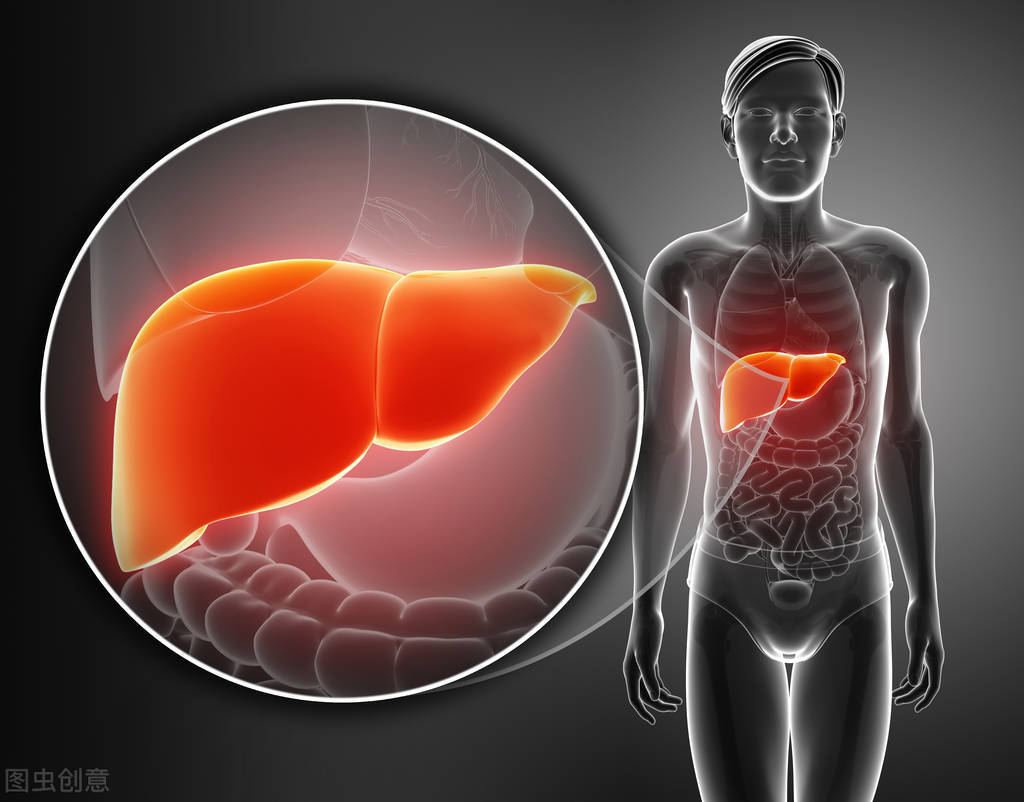
The liver functions like a rechargeable battery—it releases stored energy during times of high metabolic demand and stores excess energy when there is nutritional surplus from the diet.
The liver also functions like a recycling station, converting metabolites into macronutrients, such as transforming amino acids into proteins and converting energy into chemical energy.
Physical exercise poses a unique challenge to liver function, as the liver must adjust its state to meet the metabolic demands of physical activity. Accelerated muscle metabolism requires the liver to mobilize energy stores, recycle metabolic byproducts, and convert toxic compounds into harmless forms.
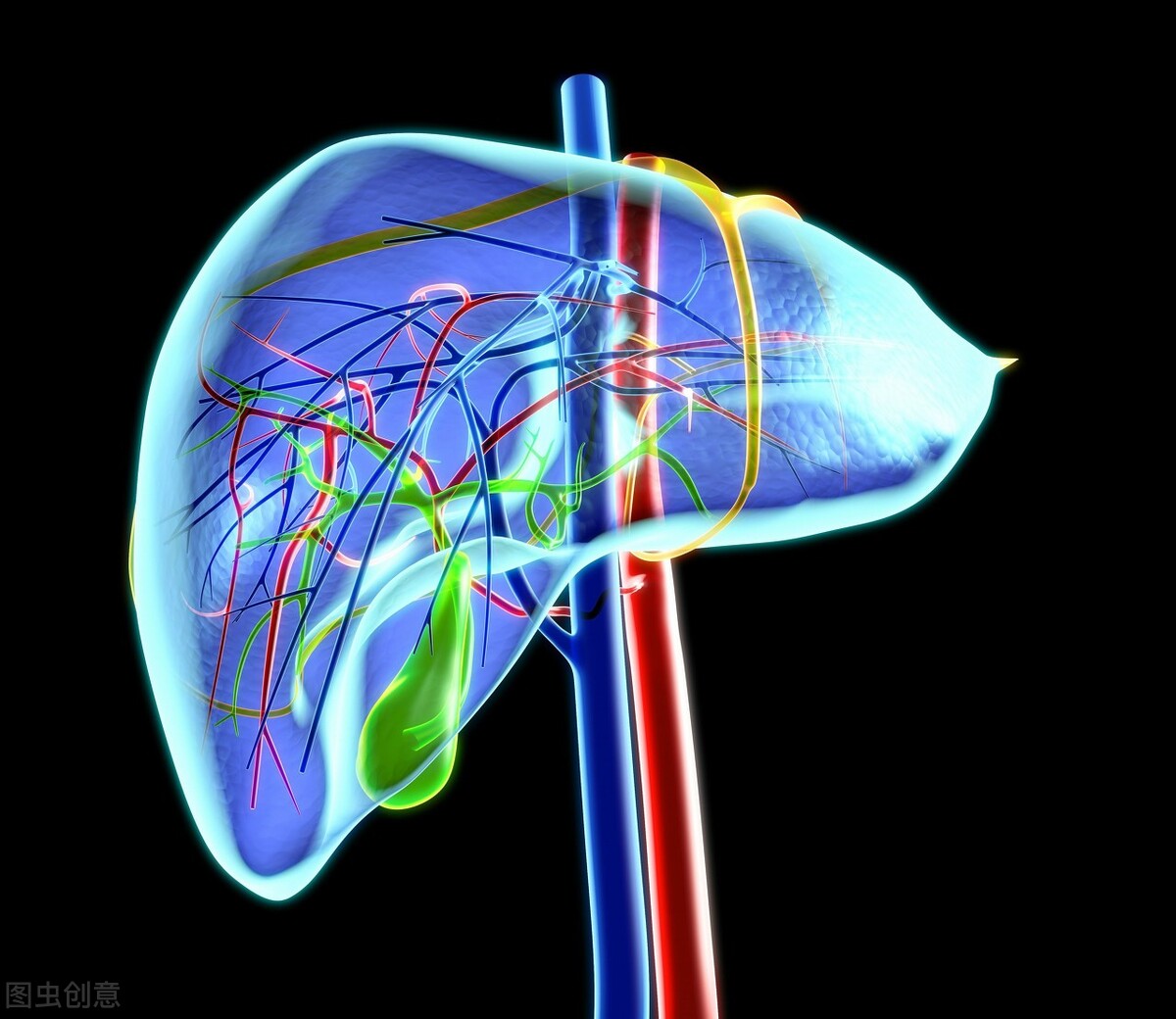
We all know that long-term adherence to physical exercise can make our muscles stronger, which is an adaptive response of muscles to training. Similarly, exercise also induces adaptive changes in liver nutrient metabolism, playing a crucial role in enhancing athletic performance.
As a key regulator of the body's energy balance, the liver undergoes dynamic remodeling in response to metabolically demanding processes such as exercise. As a major risk factor for a range of diseases comprising metabolic syndrome, fatty liver can be alleviated through the liver's adaptive processes during exercise.
Exercise is currently the first-line treatment for obesity and any associated comorbidities. In studies examining the relationship between physical activity/exercise and overall health outcomes or liver function, substantial evidence has shown that exercise is associated with reduced liver fat content and a lower prevalence of fatty liver disease.

Results from rat models of hyperphagia-induced obesity and type 2 diabetes indicate that one of the fundamental reasons exercise reduces hepatic lipid content and ameliorates steatosis is the reduction of lipid anabolism and the increase of lipid catabolism. The underlying mechanism is thought to involve a decrease in fatty acid synthase, a key lipogenic protein, and a reduction in acetyl-CoA. Additionally, increased inactivation of carboxylase via phosphorylation, enhanced mitochondrial oxidation, and improved mitochondrial function and/or increased mitochondrial content may all contribute to increased fatty acid oxidation in the liver.
The liver adapts to the repeated demands of exercise by enhancing its capacity to oxidize fat for energy production. Regular physical activity improves the liver's metabolic function, increasing its ability to oxidize fat, thereby reversing fatty liver disease and also having a positive impact on overall health.