Will All Hepatitis B and Cirrhosis Patients Ultimately Develop Liver Cancer?
Many chronic hepatitis B patients worry about the "trilogy" of hepatitis B, cirrhosis, and liver cancer, believing that based on hepatitis B infection, hepatitis B, cirrhosis, and liver cancer are inevitable stages every hepatitis B patient must go through. Is this really the case? Dr. Tian will tell you:
In our country, liver cancer primarily arises from hepatitis B, accounting for about 80% of cases. Therefore, many mistakenly believe that hepatitis and cirrhosis will inevitably lead to liver cancer. This understanding is actually incorrect—not every hepatitis B patient, or even those with cirrhosis, will progress to liver cancer.
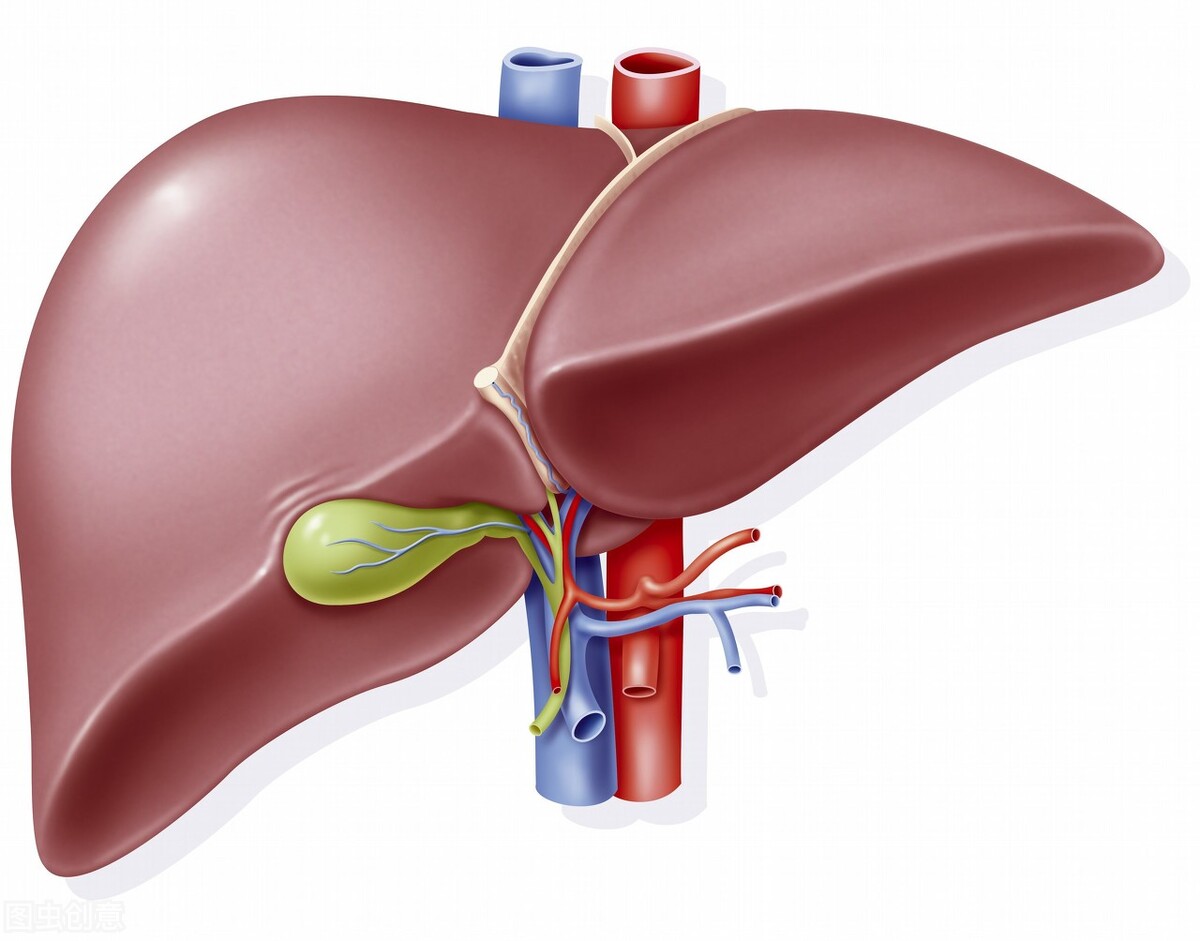
Even after being diagnosed with cirrhosis, the annual rate of progression to liver cancer is only 3%. Furthermore, with proper management and scientifically standardized treatment for hepatitis and cirrhosis, this progression chain can be interrupted.
Management of Hepatitis and Cirrhosis
1. For patients with chronic hepatitis who experience inflammatory flare-ups, or for those with cirrhosis, antiviral therapy is essential. Antiviral treatment works by suppressing viral replication, making the virus undetectable in the blood. After starting medication, when the virus is kept at undetectable levels, inflammation does not flare up, the liver does not undergo repeated cycles of inflammation and repair, and fibrosis does not occur. Under these conditions, the risk of developing liver cancer is significantly reduced.
2. Some patients with cirrhosis, after receiving standardized antiviral therapy, achieve long-term stability in their condition, with no progression of cirrhosis. In some cases, cirrhosis may even be reversed.

3. Emphasize regular check-ups. Even for viral carriers, it is necessary to have liver function and hepatitis B virus tests at least once a year. Another important test is "alpha-fetoprotein (AFP)," a tumor marker for liver cancer. In addition to AFP, ultrasound examination should also be performed. The purpose of these measures is primarily for early screening, early detection, and early treatment of liver cancer.
After treatment, hepatitis B and cirrhosis can be stabilized, but this does not guarantee 100% prevention or blocking of liver cancer occurrence. If liver cancer is detected early, early intervention can be implemented, and there are many methods available to treat liver cancer, even achieving a cure. Therefore, in addition to standardized treatment, it is crucial to prioritize regular monitoring and follow-up examinations for liver disease.