Liver Disease Prone to Recurrence in Cold Weather, What Should Liver Disease Patients Pay Attention To?
As the weather gets colder, liver disease is prone to relapse. Dr. Tian suggests these 9 tips that all liver disease patients should know!
1. Keeping Warm is Very Important
Liver disease patients should take care to stay warm in winter and avoid catching a chill. Patients with liver disease generally have weaker immune systems, and once they catch a cold, it can easily worsen their liver condition.
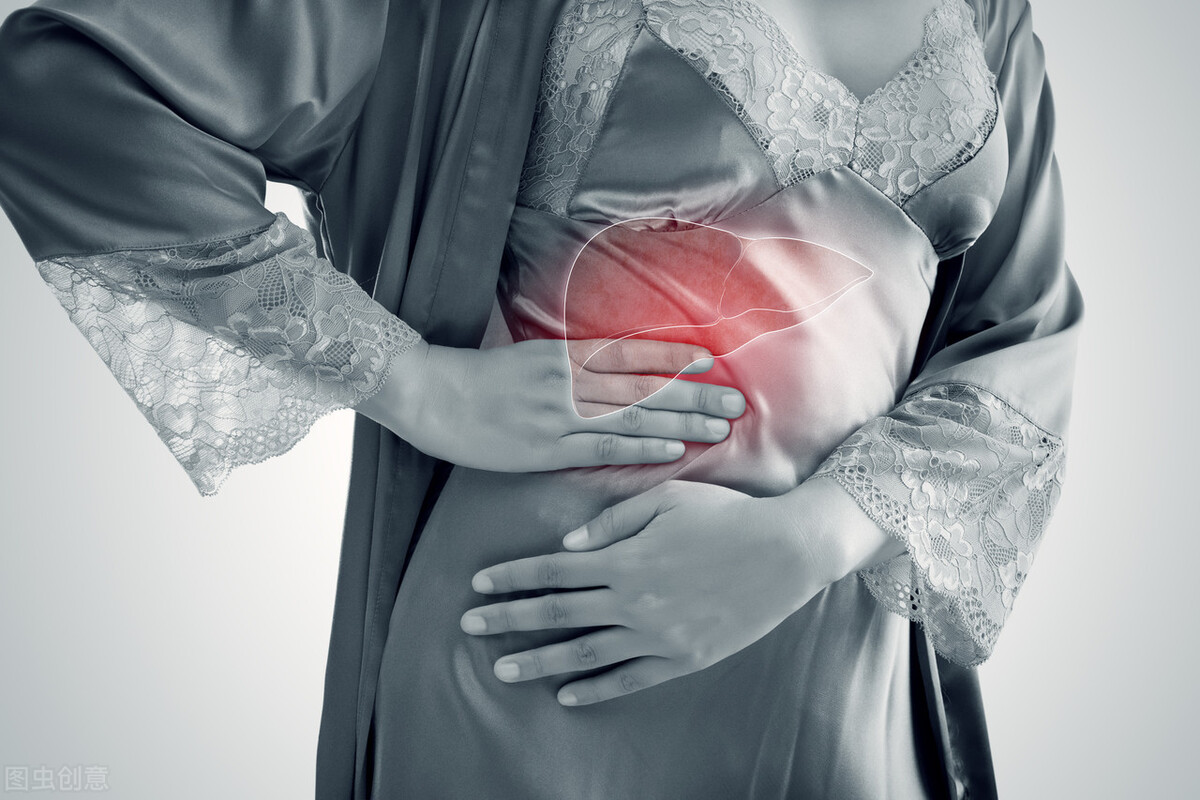
2. Maintain Healthy and Regular Daily Living Habits
Maintain adequate rest and sleep, and avoid staying up late at all costs. The liver functions to store blood and regulate circulating blood volume. When a person lies down to sleep, hepatic blood flow increases by 1000-2000 mL. Therefore, patients with liver disease must ensure 8 hours of sleep each day to allow the liver to fully rest and recover.
3. Avoid Alcohol Consumption
Although drinking alcohol in cold winter may provide a warming sensation, liver disease patients must remember to absolutely avoid it. The majority of alcohol is metabolized in the liver. For patients with hepatitis or fatty liver disease, liver function is already compromised. Consuming alcohol will inevitably increase damage to liver cells and may even lead to hepatocyte necrosis. Hence, patients with liver disease should abstain from alcohol.
4. Opt for warming foods over cold ones.
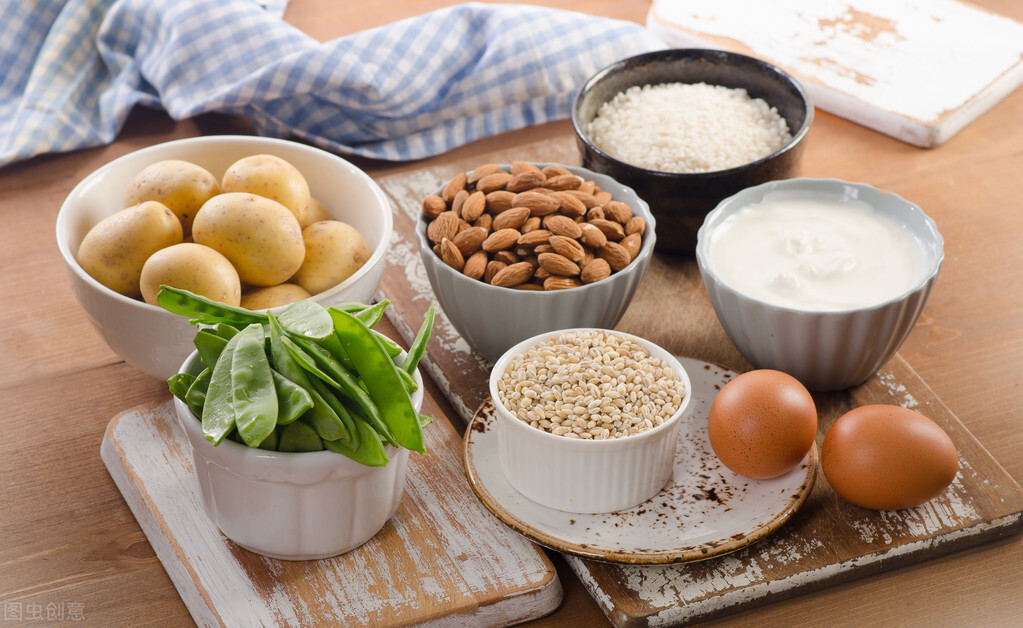
As the weather turns colder, liver disease patients should consume more warm-natured foods and reduce intake of cold-natured foods. Warm-natured foods include glutinous rice, chestnuts, jujubes, almonds, walnuts, pumpkin, and others. Appropriately increase consumption of fruits and vegetables that moisten the lungs, nourish yin, and replenish fluids, such as tomatoes, radishes, sesame, honey, pears, and grapes, to improve liver function.
5. Avoid foods containing preservatives and pickled items.
Such as packaged foods, canned foods, etc. These items contain many additives that, upon entering the human body, are very detrimental to the condition of liver disease patients. Consuming excessive amounts of pickled foods can affect water and sodium metabolism in liver disease patients. Moreover, these foods contain nitrites, which can easily trigger liver cancer.
6. Avoid greasy foods.
Greasy foods are high in fat content. Excessive intake of fat can lead to its deposition in the liver, impairing glycogen synthesis, reducing liver function, and thereby exacerbating liver disease.
7. Use medications cautiously and avoid overuse.
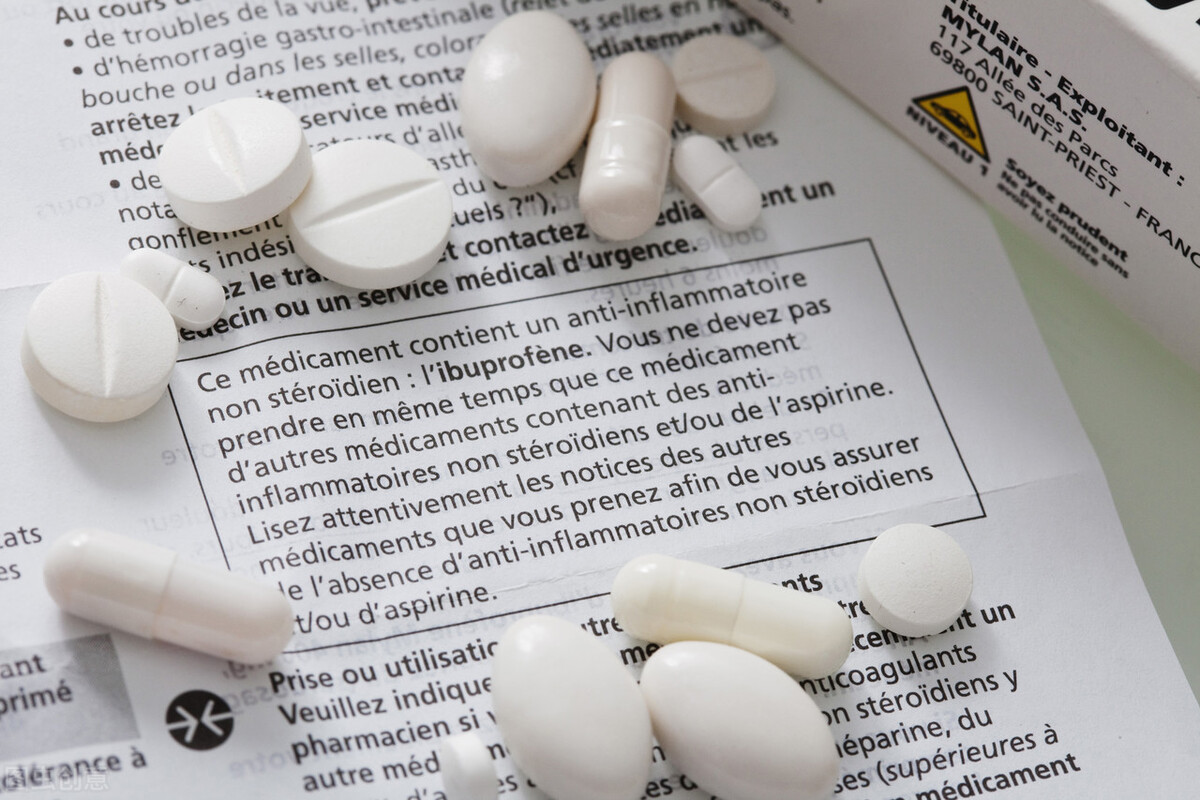
As the saying goes, "All medicine is three parts poison." The liver is the body's only detoxifying organ, and all medications need to be detoxified by the liver. Taking excessive amounts of medication or drugs that are harmful to the liver will inevitably cause certain damage to the liver. Therefore, regardless of the type of medication, it should be avoided whenever possible. If medication is necessary, it must be carefully selected under the guidance of an experienced, professional doctor. Never discontinue or add medication on your own.
8. Regular Check-ups, Stay Vigilant
For liver disease patients, it is generally recommended to undergo an abdominal ultrasound, liver function tests, hepatitis B serology, and alpha-fetoprotein testing once a year. For those on medication or showing clinical symptoms, it is best to have these tests every 3-6 months.
9. Moderate exercise.
Engage in appropriate outdoor activities according to your condition to enhance the body's resistance, but avoid overly strenuous exercise as it may increase the burden on the liver.