These 3 Signs on Your Face are Almost Certainly Indicators of Liver Damage
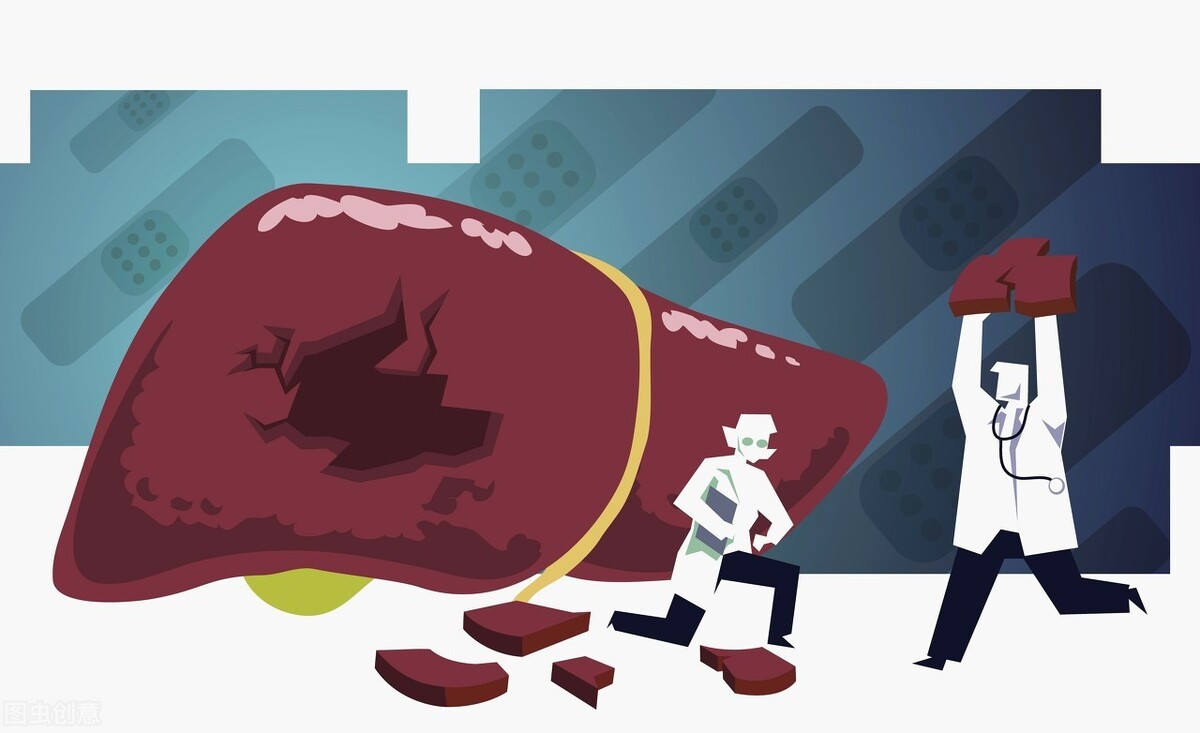
Poor liver function manifests on the face, which is why most patients with liver disease exhibit what is medically known as "hepatic facies." So, what specific symptoms appear on the face when the liver is not functioning well?
1. Yellowing of the Eye Sclera and Appearance of Dark Circles
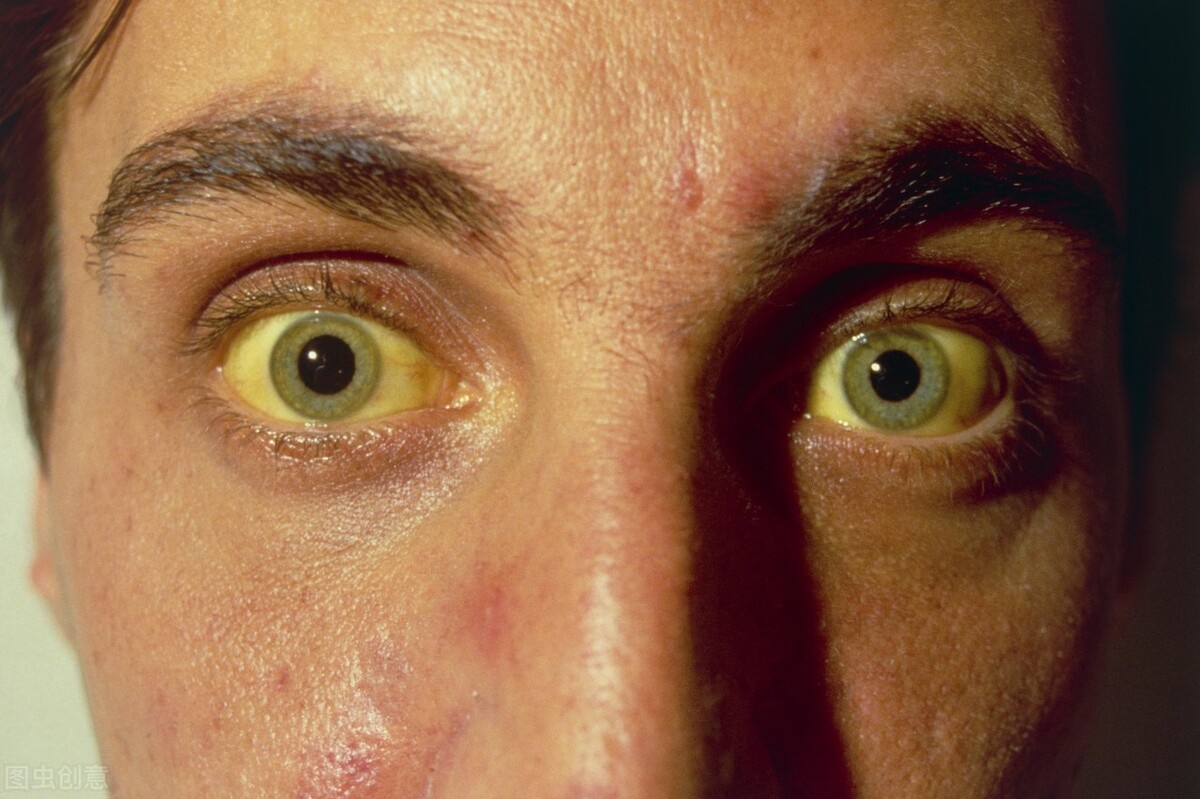
In individuals with poor liver function, the whites of the eyes may turn yellow. This occurs because bilirubin enters the bloodstream, causing yellowing of the body surface and sclera, a phenomenon also known as jaundice.
Moreover, when liver disease occurs, the liver is unable to store an adequate amount of blood for the body, leading to phenomena such as liver qi stagnation and poor circulation of qi and blood. This results in a deficiency of qi and blood in the body, which can cause dark circles under the eyes.
2. Dull, Yellowish Complexion
People with poor liver function often exhibit a dull or sallow complexion. This happens because, after liver cells are damaged, bilirubin leaks and accumulates in the face. Additionally, when the liver's detoxification function declines, certain toxins in the body cannot be properly eliminated, which can also cause the facial skin to appear dull and lackluster.
3. Acne
This is also because reduced liver function prevents the complete and timely breakdown of toxins in the body. Long-term accumulation of these toxins can lead to hormonal imbalances and endocrine disorders, subsequently causing breakouts of pimples and acne on the face.
In addition to the facial symptoms mentioned above, individuals with poor liver function may also exhibit other symptoms beyond the face:
1. Prone to Fatigue
The liver serves as a metabolic organ in the body, responsible for processing substances such as carbohydrates and proteins. If liver function is impaired, it cannot provide sufficient energy for the body, leading to noticeable fatigue and difficulty concentrating.
2. Loss of Appetite

As a vital digestive organ, the liver, when compromised, can adversely affect digestive functions. This often results in a decreased appetite to varying degrees and may be accompanied by symptoms such as nausea and vomiting.
3. Reduced Alcohol Tolerance and Increased Intoxication
When alcohol enters the body, it needs to be converted into carbon dioxide and water through certain enzymes secreted by the liver. If someone who used to have a high alcohol tolerance now feels "drunk" after drinking just a little, this may indicate that their liver function is impaired.
Dr. Tian kindly reminds: If you exhibit any of the above symptoms, be sure to be alert to possible liver issues. If there are clear symptoms, go to a regular hospital for examination in a timely manner to avoid delaying the condition and the optimal treatment time.