What Are the Signs of Poor Liver Function? Pay Attention to These 6 Symptoms
The liver is the largest digestive organ in the human body. It performs vital functions such as secreting bile, synthesizing proteins and clotting factors, carrying out metabolism, and detoxifying substances. However, it is also known as a "silent organ" because its parenchyma contains no pain-sensing nerves. Nerves are mainly distributed on the liver capsule, and pain only occurs when an abnormality irritates the capsule. Additionally, the liver has a remarkable compensatory capacity; normal function can be maintained even if only one-third of its cells are healthy. Due to these characteristics, early-stage liver problems are often difficult to detect. By the time obvious symptoms or pain appear, the condition is usually already severe.
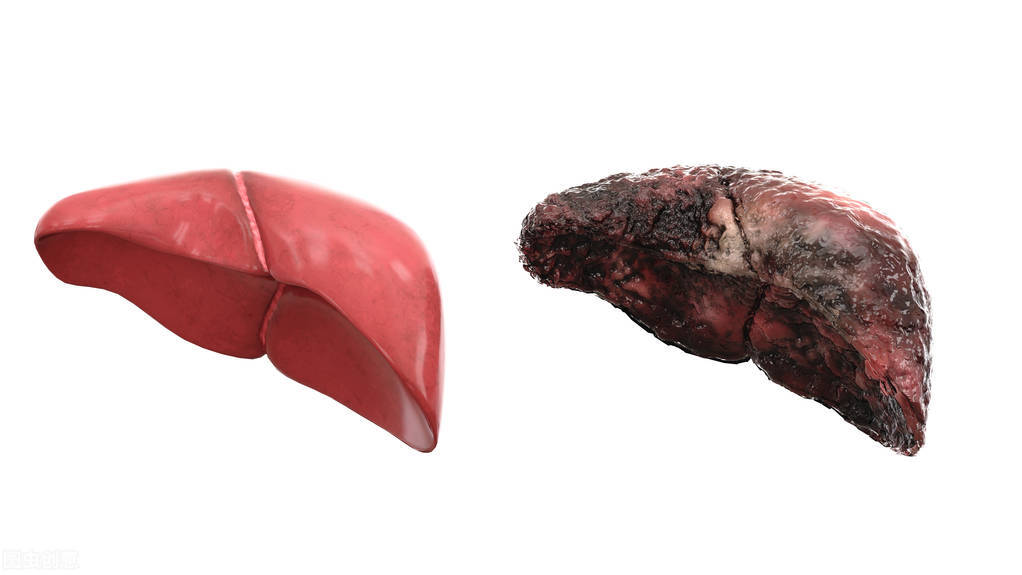
So, how can we detect liver damage as early as possible? The body does give us some warning signs:
1. Easy to Feel Fatigued
When the liver is damaged, appetite decreases, calorie intake is reduced, and it cannot meet one's nutritional and caloric needs. Moreover, abnormal liver function also affects the normal physiological functions of muscles and nerves to some extent, leading to fatigue.
2. Discomfort in the Upper Right Abdomen
This refers to the location of the liver. Even healthy individuals may occasionally experience temporary discomfort or pain in the liver area, though it is relatively rare. Discomfort or pain in the liver area is often related to liver enlargement compressing the liver capsule. As the condition progresses or improves, the nature and intensity of liver pain also vary depending on the increase or decrease in liver enlargement.
3. Gastrointestinal Symptoms
Such as loss of appetite, persistent nausea, and vomiting. These symptoms are primarily related to reduced detoxification and metabolic capacity after liver function is impaired.
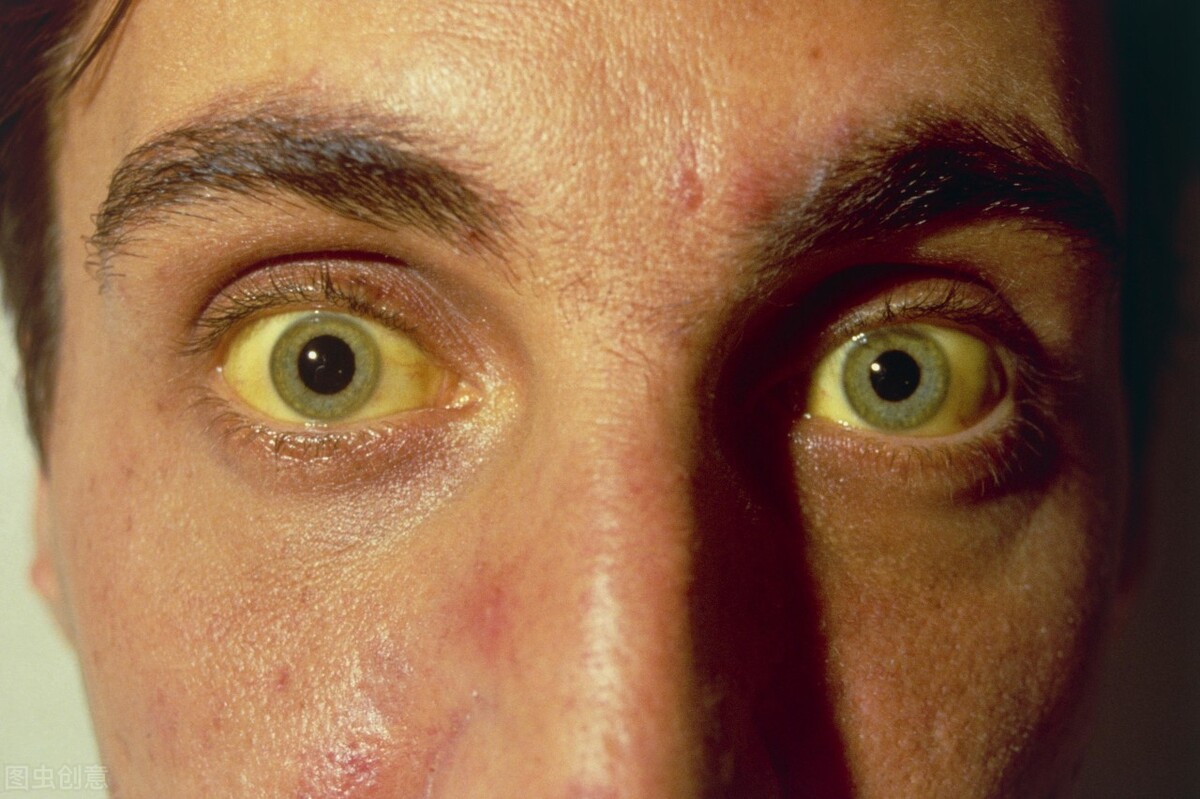
4. Jaundice
When the liver is compromised, bilirubin in our body cannot be excreted promptly. The bilirubin level in the blood gradually increases, manifesting as yellowing of the skin, especially in the sclera. It can also cause darkening of urine, resembling the color of strong tea.
5. Itchy Skin
When liver function is impaired and cannot properly process toxic substances such as bilirubin, it can lead to itching of the skin.
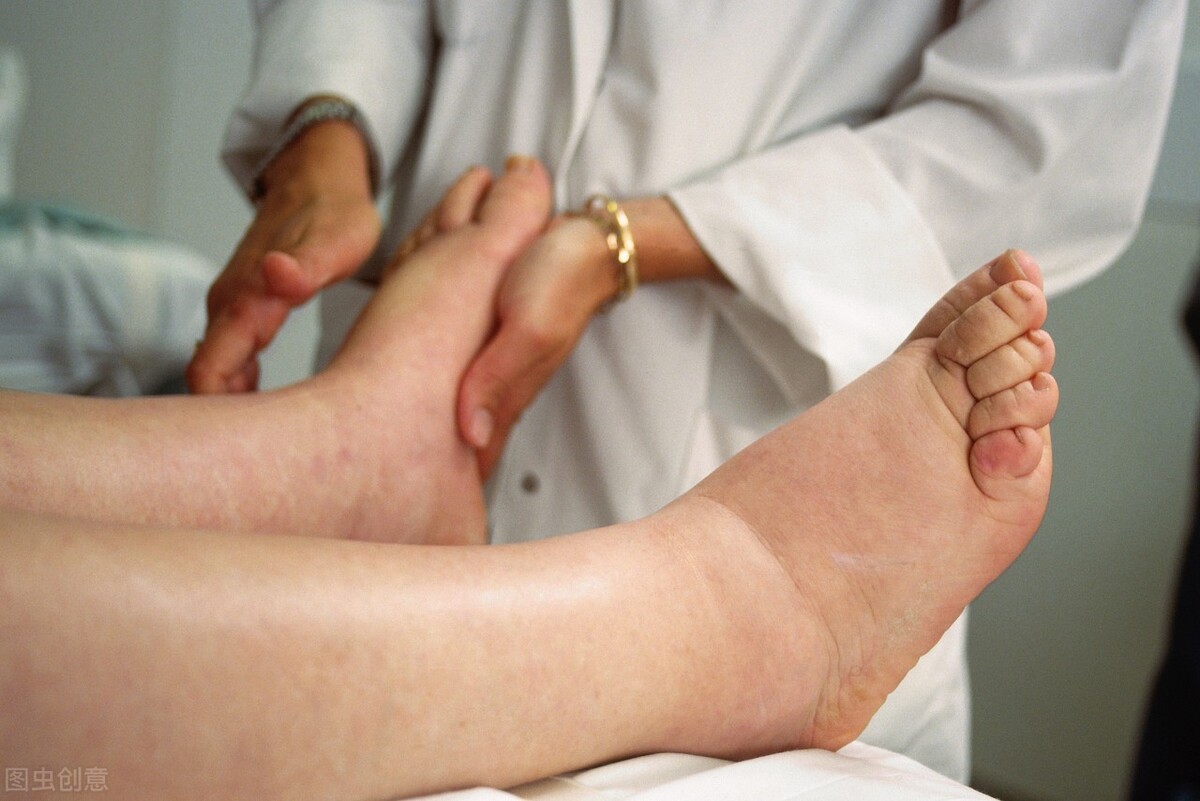
6. Swelling in the Limbs, Especially the Lower Extremities
If liver damage is not treated promptly, it can lead to a significant drop in albumin levels in the body, making it prone to ascites and swelling in the limbs, especially noticeable in the lower extremities, feet, and ankles.
These are some of the symptoms that can occur when liver function is impaired. However, having these symptoms does not necessarily indicate abnormal liver function. For those with liver conditions—such as hepatitis, alcoholic liver disease, fatty liver, or cirrhosis—it is crucial to promptly seek medical follow-up if these symptoms appear. This will help determine whether the condition has progressed or if other factors are involved.
Of course, even healthy individuals should pay attention to their liver health. If two to three of the aforementioned symptoms occur, it is still recommended to undergo a medical examination, as this can be highly meaningful.