What are the commonly used antiviral medications for hepatitis B patients?
With the rising prevalence of hepatitis B, various treatments have emerged, leading many to ask: what are the most common antiviral medications for hepatitis B patients? Here, I’ll provide an explanation for you.
There are two main classes of antiviral drugs: nucleos(t)ide analogues and interferons.
I. Nucleos(t)ide Analogs
These are oral medications and include entecavir (ETV), tenofovir disoproxil fumarate (TDF), tenofovir alafenamide fumarate (TAF), lamivudine, telbivudine, adefovir dipivoxil, and clevudine, among others.
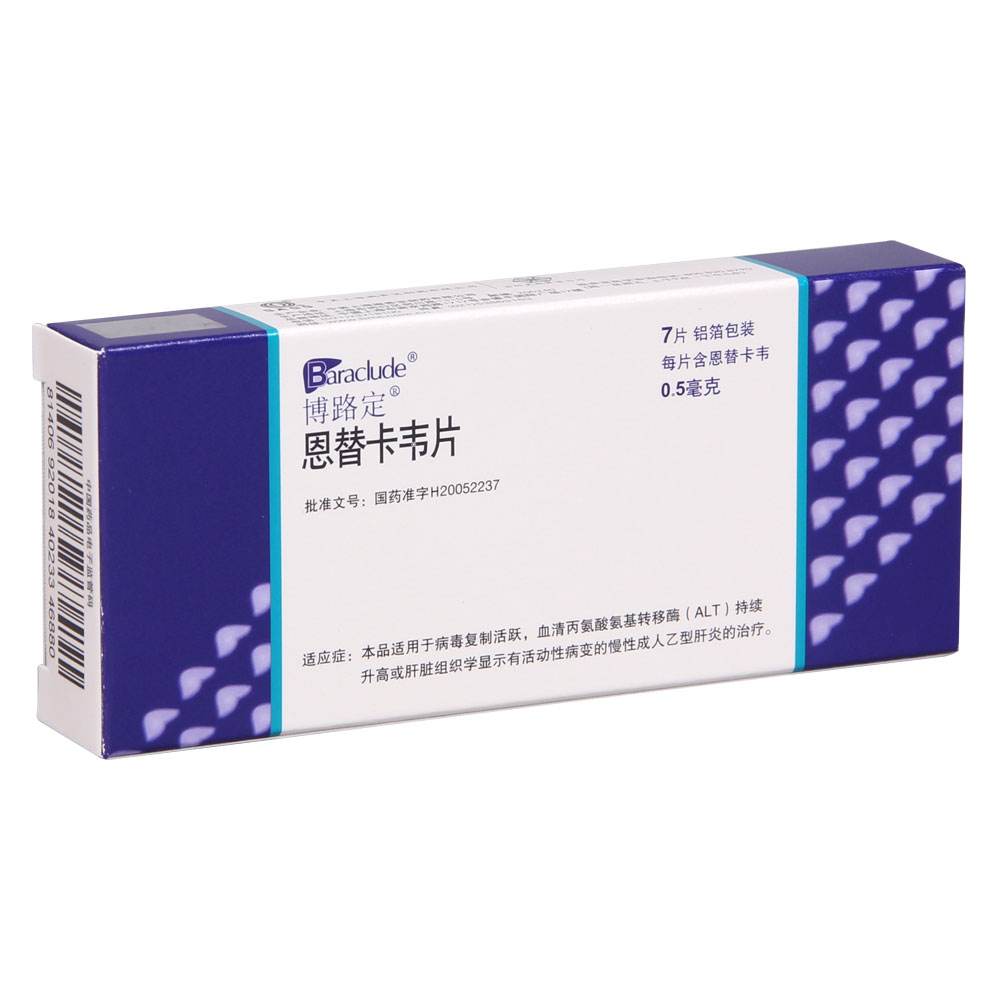
1. Entecavir
Latest first-line anti-HBV drug. This medication is most suitable when HBV replication is highly active, serum transaminase ALT levels are persistently elevated, and liver histology shows active lesions. It also tends to cause minimal significant side effects.
2. Tenofovir Disoproxil Fumarate (TDF)
Commonly used first-line anti-HBV drug, suitable for patients with chronic hepatitis B. TDF works by inhibiting HBV replication and stabilizing the disease condition. It also helps lower transaminase levels to some extent, providing liver protection. However, this drug is generally not used alone; it should be combined with other antiretroviral medications for better efficacy and reduced risk of side effects.
3. Tenofovir Alafenamide Fumarate (TAF)
New-generation nucleotide reverse transcriptase inhibitors, commonly used as first-line anti-hepatitis B virus drugs for treating chronic hepatitis B in adults and adolescents (aged 12 years and older, weighing at least 35 kg), offer improved plasma stability and stronger liver targeting, while significantly reducing risks such as renal impairment and decreased bone density.
4. Lamivudine
Exerts antiviral effects by competitively inhibiting the synthesis and elongation of the viral DNA chain. Primarily used in the treatment of chronic hepatitis B and other viral infections. However, due to the high risk of drug resistance development during hepatitis B treatment, lamivudine is no longer considered a first-choice medication for hepatitis B virus therapy.

5. Adefovir Dipivoxil
Chronic hepatitis B patients with active hepatitis B virus replication, persistently elevated serum aminotransferase levels, and active liver tissue lesions. Due to the relatively weak antiviral efficacy of adefovir dipivoxil and its propensity for drug resistance, it has gradually been phased out.
II. Interferon
Administered by injection, it is divided into standard interferon and pegylated interferon.
1. Standard Interferon
It functions by binding to interferon receptor proteins and has a short duration of action during treatment.
2. Long-acting interferon
Also known as pegylated interferon, it is an optimized form of conventional interferon. During treatment, it has a longer duration of action and can achieve relatively higher rates of HBeAg seroconversion, HBV DNA suppression, and biochemical response compared to conventional interferon.

Before nucleoside/nucleotide analogues were developed, only interferon could serve as an anti-HBV (hepatitis B virus) drug. Currently, interferon-based therapies approved in China include Peginterferon alfa-2a and Interferon alfa, with Peginterferon alfa-2a being the most commonly used interferon for hepatitis B antiviral treatment.
The above medications are all suitable for patients with chronic hepatitis B. For patients with acute hepatitis B, comprehensive treatment is usually adopted. Most patients can recover by getting sufficient rest, supplementing nutrition, and applying liver-protective drugs.
Special Reminder: Hepatitis B patients must avoid taking medication arbitrarily. Regarding which antiviral treatment regimen hepatitis B patients should choose, when to start treatment, when to end treatment, and special patient groups such as women during pregnancy or those planning to conceive, as well as children, it is essential to seek guidance from a professional physician at a hospital for medication administration to avoid missing the optimal diagnostic and treatment window.