The 4 Major Misconceptions about Hepatitis B Virus, How Many Do You Believe? Recommend to Save After Reading
With the progress of society and the development of the internet, more and more people are learning about hepatitis B through online platforms, leading to many misconceptions. This brings about unnecessary fear and stress. Today, we share some common misconceptions about hepatitis B, hoping to enhance your correct understanding of the disease.

Misconception 1: Can the hepatitis B virus be transmitted through eating?
I used to think that way when I was young too, but after studying medicine, I realized that such a claim is actually incorrect. Medically, it has been confirmed that the main transmission routes of hepatitis B are blood transmission, mother-to-child transmission, and sexual transmission. In daily life and work, normal physical contact such as eating together, hugging, or shaking hands will not lead to infection as long as there is no exposure to blood. Therefore, hepatitis B virus is not transmitted through eating.
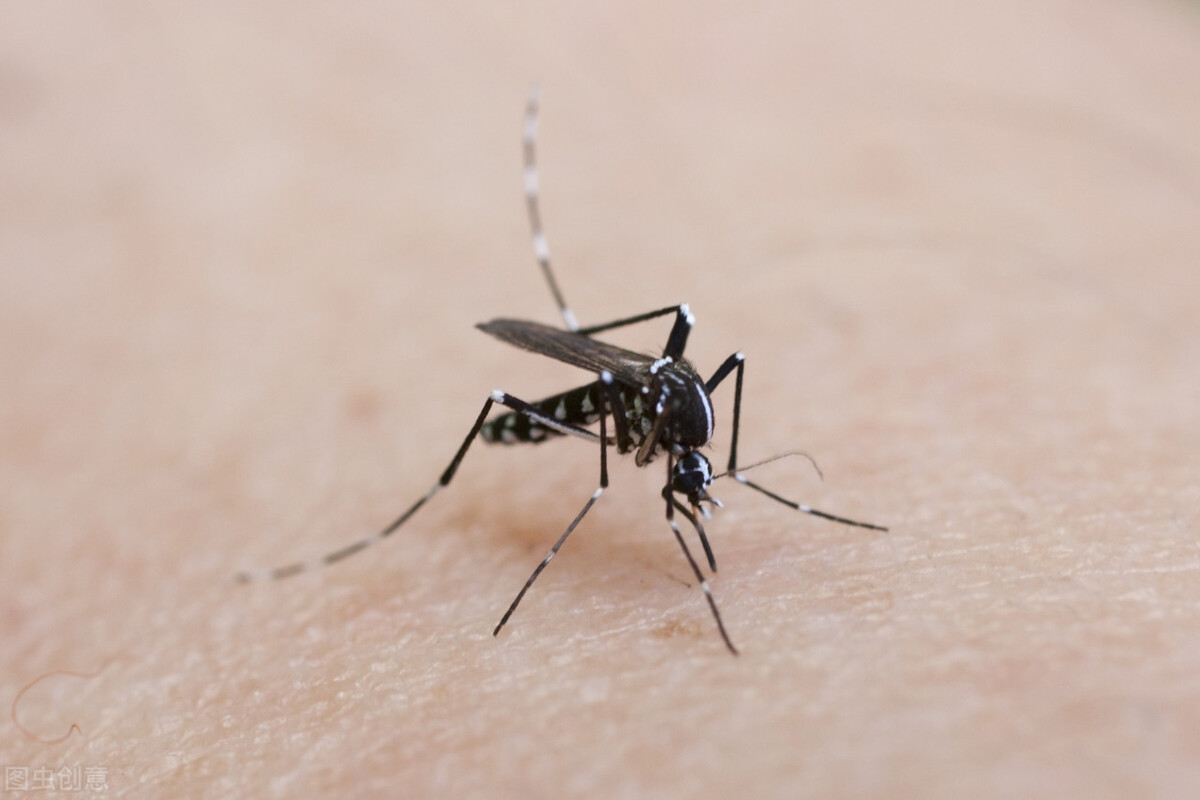
Misconception 2: Can hepatitis B virus be transmitted through mosquito bites?
After a mosquito bites a human, it does not inject its own blood or the blood it has sucked into another person's body. Instead, it secretes its saliva to aid in sucking blood. Moreover, the hepatitis B virus survives for only a short time inside the mosquito and cannot replicate within the mosquito's body, thus posing no threat. If mosquito bites could truly transmit hepatitis B virus, then presumably none of us would be spared! Therefore, hepatitis B virus is not transmitted through mosquito bites.
Misconception 3: Does successful hepatitis B vaccination provide lifelong immunity?
Currently, the hepatitis B vaccine in China is inactivated and relatively inexpensive. After vaccination, it stimulates the immune system to produce protective antibodies, effectively blocking the hepatitis B virus to achieve the goal of preventing hepatitis B infection. After receiving the first dose of the hepatitis B vaccine, only about 30% of people develop antibodies. After the second dose, approximately 90% of people produce antibodies. Following the third dose, the positive antibody rate can exceed 96%. However, this probability is not 100%, and individual differences and vaccine-related factors may exist. Generally, 3–5 years after receiving the hepatitis B vaccine, the antibodies in the body gradually decline. It is essential to promptly receive a booster dose of the hepatitis B vaccine; otherwise, the antibodies may disappear, resulting in a loss of resistance to the hepatitis B virus. Therefore, successful vaccination with the hepatitis B vaccine does not confer lifelong immunity.

Misconception 4: Is "Da Sanyang" Severe, and "Xiao Sanyang" Not a Problem?
While "Da Sanyang" is more active in viral replication and has stronger infectivity compared to "Xiao Sanyang," the severity of a hepatitis B patient's condition cannot be determined solely based on "Da Sanyang" or "Xiao Sanyang." This is because "Da Sanyang" and "Xiao Sanyang" are merely results of the hepatitis B serological markers test and do not fully represent the patient's condition. "Xiao Sanyang" may more easily progress to liver cirrhosis or liver cancer. Therefore, both "Da Sanyang" and "Xiao Sanyang" should be taken seriously.
Therefore, it is advisable to approach any disease without blindly believing rumors. The treatment of diseases is based on proper medical evidence, ensuring that there is no need for unnecessary panic!