What Symptoms Can Help Detect Liver Cancer Early? Doctors Say: This Method Works Well
People turn pale at the mere mention of cancer, which must be a terrifying existence for most individuals. Take liver cancer, for instance—the number of liver cancer patients in China is relatively high. The liver is also a "silent" organ, so in the early stages, many patients experience no sensations whatsoever. By the time they feel unwell and go to the hospital for examination, the cancer is often already in an advanced stage. If early intervention is possible, the progression of the disease can be stopped in time. So, which symptoms can help detect liver cancer early?

1. Fatigue and weakness
The liver possesses compensatory functions. In the early stages of liver cancer, patients often experience fatigue because cancer cells disrupt liver function. The energy consumed cannot be absorbed by the body, and when the body requires it, it is not adequately supplied, leading to a reduction in the energy available to sustain bodily functions. However, this feeling may resemble symptoms of a common cold, so few people recognize it as an early sign of liver cancer, resulting in delayed diagnosis and treatment.
2. Digestive symptoms
The liver secretes bile to promote the digestion and absorption of fats. When the liver is damaged, it can cause digestive system disorders. In the early stages of liver cancer, this may lead to digestive symptoms such as nausea, loss of appetite, abdominal bloating, diarrhea, and indigestion. These symptoms often lead patients to suspect gastrointestinal issues rather than liver cancer. Therefore, individuals with a history of liver disease or those who typically have good gastrointestinal function should remain vigilant if they experience digestive symptoms.
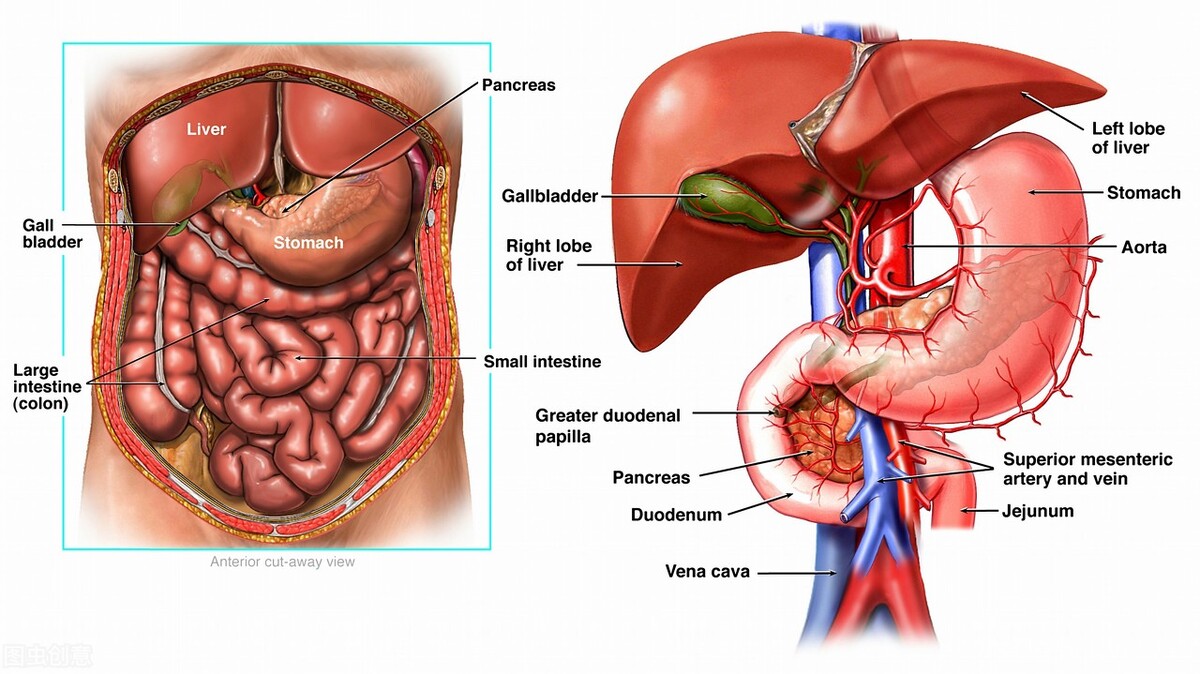
3. Unexplained fever
Some early-stage liver cancer patients may experience fever symptoms, which occur because the tumor itself undergoes necrosis, and due to the patient's weakened resistance, they are prone to secondary infections, leading to fever. This needs to be analyzed in combination with test results.
4. Bleeding tendency
When liver cells are damaged, the liver's coagulation function becomes impaired, leading to a reduction in clotting factors and an increased tendency to bleed. As a result, patients with early-stage liver cancer often experience bleeding tendencies such as gingival bleeding, nosebleeds, and subcutaneous bruising. Additionally, portal hypertension caused by liver disease can lead to gastric varices, which may result in gastrointestinal bleeding—a point that also deserves attention.
5. Jaundice
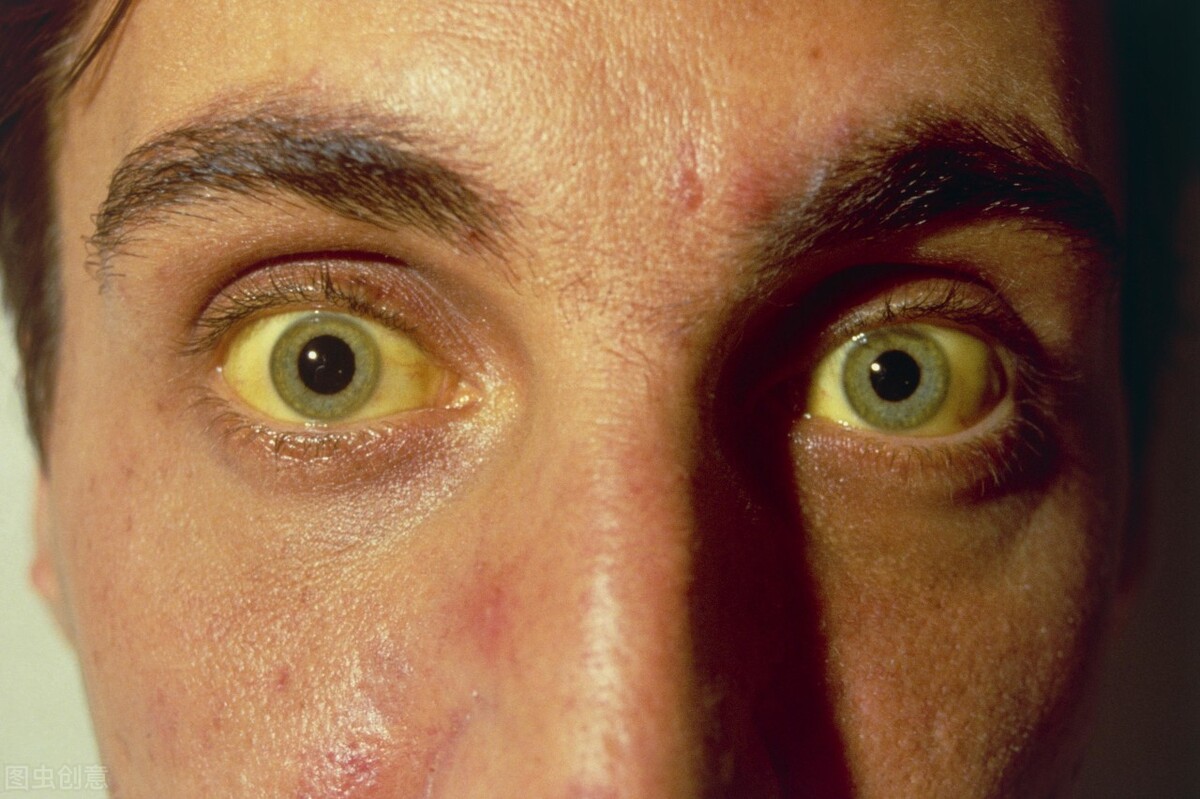
Early-stage liver disease patients may develop noticeable liver disease facial features, such as yellowing of the skin and eyes, and even urine may become very dark. This is due to impaired liver function, disturbances in bilirubin metabolism, leading to elevated serum bilirubin levels.
Therefore, regular check-ups remain essential, especially for high-risk groups for liver cancer. Diagnosing liver cancer requires a combination of tests for comprehensive assessment:
1. Ultrasound examination: It is helpful in diagnosing liver cancer, as it can detect tumors through ultrasound imaging and can serve as a preliminary screening method.
2. Magnetic resonance imaging (MRI): This is a commonly used method for detecting cancer, offering relatively high accuracy.
3. Alpha-fetoprotein (AFP): This is a blood test item. Elevated AFP levels can indicate hepatocellular carcinoma, as there is a certain relationship between the two.
For diseases, early detection and early treatment are essential. Never wait until there is no cure left to regret!