Can people with stomach disease drink congee or not? Veteran actor says this while filming
Key point: Recently, a behind-the-scenes clip of Kara Wai on set went viral. During a break in filming, Kara Wai questioned a scene in the script: "I find it strange that she is eating congee now, because she has a stomach condition. Congee is starch; starch turns into acid, and acid is bad for the stomach."
Recently, a behind-the-scenes clip of Kara Wai on set went viral. During a break in filming, Kara Wai questioned a scene in the script: "I find it strange that she is eating congee now, because she has a stomach condition. Congee is starch; starch turns into acid, and acid is bad for the stomach."
Wai Ying-hung's remark does have some merit, but it should first be emphasized that starch is not metabolized into acid in the human body. Starch entering the body is first broken down into glucose, and under aerobic conditions it produces carbon dioxide, water, and energy, which are expelled and used to fuel the body; it does not produce acid.
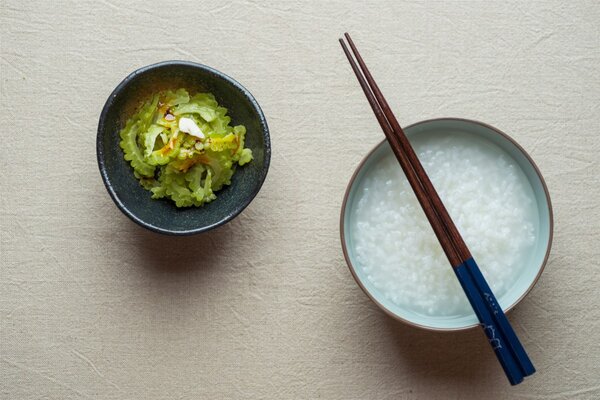
When we have a stomach disorder, we often think of the saying "congee nourishes the stomach." Many people drink congee when their stomach feels unwell; so can you drink congee when you have a stomach illness?
Attempting to treat a stomach disease by drinking congee is not a wise choice. The term we commonly use—"stomach disease" or "bad stomach"—is very broad. Nearly any disease occurring in the stomach can cause stomach pain or discomfort and is often labeled a "stomach ailment."
For some people who constantly feel stomach discomfort, it may actually be due to lesions in the stomach and esophagus, including gastroesophageal reflux disease, gastric ulcers, and others.
When your stomach is uncomfortable, drinking plain congee can indeed ease it somewhat. But that isn’t necessarily true for people with stomach disorders. Congee is often swallowed without sufficient chewing and lacks enough saliva for initial digestion. After consuming a large amount of congee, the water dilutes gastric acid and markedly increases gastric acid secretion, while also expanding stomach volume, which to some extent adds to the stomach’s burden.
For certain special groups, drinking congee does have some stomach-nourishing and stomach-protecting benefits.
Children, the elderly, people with poor gastrointestinal function after surgery, those with insufficient gastric motility, and people who secrete less gastric acid, etc.
Because congee is a semi-liquid food, it can quickly enter the small intestine without much chewing or stomach peristalsis, be broken down into glucose and rapidly absorbed and utilized by the body to replenish energy.
So, for these people, drinking congee is easy to digest and absorb, thereby reducing the burden on the gastrointestinal tract and serving as a way to nourish the stomach.