Positive Helicobacter pylori test on a physical exam — at what value should one be concerned about gastric cancer?
Key point: The numerical value of a Helicobacter pylori test cannot directly determine whether a person has gastric cancer. We need to understand that H. pylori is a common stomach bacterium; it is associated to some extent with gastritis, gastric ulcers, and even gastric cancer, but it is not a direct cause-and-effect relationship.
The numerical value of a Helicobacter pylori test cannot directly determine whether a person has gastric cancer. We need to understand that H. pylori is a common stomach bacterium; it is associated to some extent with gastritis, gastric ulcers, and even gastric cancer, but it is not a direct cause-and-effect relationship.

The Helicobacter pylori test results are of important significance for assessing gastric health. They can help doctors understand the patient's gastric infection status and take appropriate treatment measures. The development of gastric cancer is a complex process; in addition to H. pylori infection, it also involves genetic factors, dietary habits, environmental factors, and many other influences.
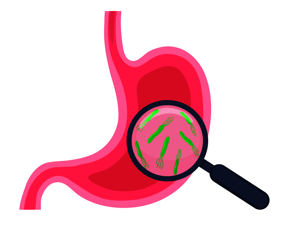
H. pylori test results need to be interpreted together with other examination findings, such as gastroscopy and pathological biopsy. These tests can more accurately assess gastric health and determine whether there is a risk of gastric cancer. When H. pylori test values are relatively high, doctors may recommend further examination to rule out or confirm the possibility of gastric cancer.
【Practical tip:】
1. Have regular gastric health checkups, especially for populations at high risk of H. pylori infection.
2. Maintain good dietary habits: avoid high-salt and high-fat foods, and eat more fresh vegetables and fruits.
3. If Helicobacter pylori test results are abnormal, promptly consult a specialist for further examination and treatment.
4. Maintain personal hygiene, avoid cross-infection, and reduce the risk of Helicobacter pylori infection.