The artificial womb has arrived — will women no longer need to get pregnant themselves in the future?
Key point: In recent years, with rapid technological advancement, the cutting-edge technology of the artificial womb has gradually entered the public eye, sparking wide discussion and attention. The artificial womb, also called an ex vivo embryo culture system, is a technology that can simulate the uterine environment outside the body to support embryo growth and development. The emergence of this technology not only brings new hope to couples facing infertility, but also prompts deep reflections on future modes of female reproduction.
In recent years, with the rapid advancement of technology, the cutting-edge technique of artificial wombs has gradually entered the public eye, sparking widespread discussion and attention. The artificial womb, also known as an ex utero embryonic culture system, is a technology that can simulate the uterine environment outside the body to support embryo growth and development. The emergence of this technology not only brings new hope to couples with infertility, but also prompts deep reflection on future modes of female reproduction.
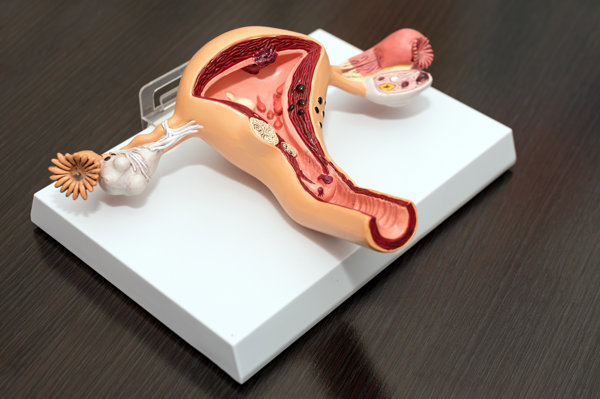
Principles and technology of the artificial womb
The artificial womb simulates the in utero environment for a fetus by providing conditions similar to the maternal uterus, such as temperature, oxygen, carbon dioxide, nutrients, and mechanical stimulation. At present, this technology is still at the laboratory stage; researchers use transparent polymer containers and artificial amniotic fluid to mimic the uterine environment, place embryos inside them, and use mechanical stimulation and nutrient solutions to recreate intrauterine conditions. This technology is expected in the future to help infertile couples achieve their dream of parenthood, while also providing important support for studying early embryonic development and reproductive diseases.
Prospects for the application of artificial wombs
Solving infertility: For many couples who cannot conceive naturally due to physical reasons, the artificial womb is undoubtedly a new hope. It can help them realize their dream of having children and have their own child.
Studying embryo development: The artificial womb provides an ideal experimental platform for researching early embryo development. Scientists can observe the embryo's development under controlled conditions, uncovering the mysteries of life.
Protecting the health of premature infants: In addition, the artificial womb can be used to protect the health of premature infants. In a safer environment that more closely resembles the maternal womb, preterm infants can receive better conditions for growth and development, reducing the occurrence of complications.
Impacts on and challenges for women
Although the emergence of artificial womb technology brings many possibilities and conveniences for women, it has also sparked a series of discussions about women's status and modes of reproduction.
Relieving women's reproductive burden: Artificial wombs could free women from traditional reproductive roles, no longer requiring them to endure the hardships of pregnancy and unfair treatment in the workplace. For women who are unable to conceive, this would be an especially great boon.
Risk of women's marginalization: However, some worry that when reproduction no longer depends on a uterus, the institution of marriage may be disrupted, and men may be more inclined to reproduce while single, potentially leading to a decline in women's social status. In addition, long-term reliance on artificial wombs could bring new health risks and challenges.
Ethical and legal issues: As artificial womb technology continues to develop, ethical and legal questions—such as how to define its conditions and limits and how to protect the rights of future infants—must also be addressed.
//
Future Prospects
Although artificial womb technology is still at the laboratory stage, its prospects are broad and full of potential. With technological advancement and the refinement of ethical and legal frameworks, it is believed that in the not-too-distant future artificial wombs will become a reality and be widely applied clinically. This will not only bring good news to couples facing infertility but also provide women with more reproductive choices and autonomy.
However, we must also clearly recognize that any technological development should follow ethical principles and respect human dignity and rights. While promoting the development of artificial womb technology, we must also pay attention to the possible social and psychological impacts it may bring, ensuring that the benefits of technological progress can reach all humanity.
In short, the emergence of artificial womb technology brings new hope and possibilities for human reproductive health. In the future, as the technology continues to mature and improve, we have reason to believe that women will have more reproductive choices and autonomy, and human society will become more beautiful and inclusive as a result.