Artificial Insemination vs. IVF: What's the Difference? The Best Choice Is the One That Suits You
The main differences between artificial insemination and in vitro fertilization (IVF) lie in the method of sperm collection, site of fertilization, mode of conception, pregnancy risks, and applicable scenarios.
1. Sperm Collection Method
Artificial insemination involves directly introducing male semen into the female reproductive tract, whereas IVF typically involves optimized processing of sperm outside the body before transferring it into the uterine cavity.
2. Site of Fertilization
Artificial insemination is primarily performed in hospital laboratories or clinics, while in vitro fertilization (IVF) requires specialized assisted reproductive centers.
3. Fertilization method

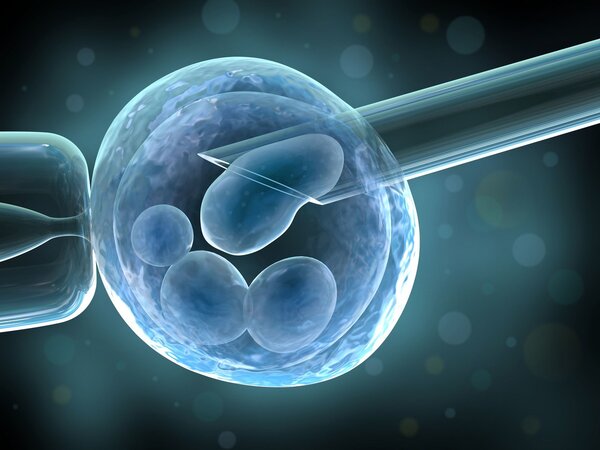
Artificial insemination simulates the natural conception process by introducing sperm into the female reproductive tract through non-coital means to achieve pregnancy, whereas IVF is an external fertilization technique where eggs and sperm are combined in a laboratory to form embryos before being implanted into the mother's uterus.
4. Pregnancy risks
Compared to intrauterine insemination (IUI), in vitro fertilization (IVF) carries a higher rate of multiple pregnancies, but is also associated with increased risks of miscarriage and birth defects.
5. Indications
For patients with mild male factor infertility, cervical mucus abnormalities, etc., IUI is more suitable. For cases involving blocked fallopian tubes or endometriosis, IVF is recommended instead.
The choice between IUI and IVF should be based on individual circumstances under medical guidance to ensure the most appropriate decision is made.