Women Being Thin Leads to Longer Life? Harvard Study: Weight Loss Over 10% After Age 60 Dramatically Increases Disease Risk
“A slim figure in old age is priceless,” a widely circulated saying that acts as an invisible rule, driving many middle-aged and elderly women to tirelessly pursue a slender physique. However, the latest scientific research casts a huge question mark over this “old adage.”
Researchers at Harvard University have found that for women over the age of 60, weight is not necessarily better the lighter it is. In fact, those who experience involuntary, significant weight loss (exceeding 10%) later in life face a sharp increase in health risks.
This completely overturns our previous understanding, reminding us that in the second half of life, the scales of health may tip more toward being “slightly overweight” and maintaining stability.
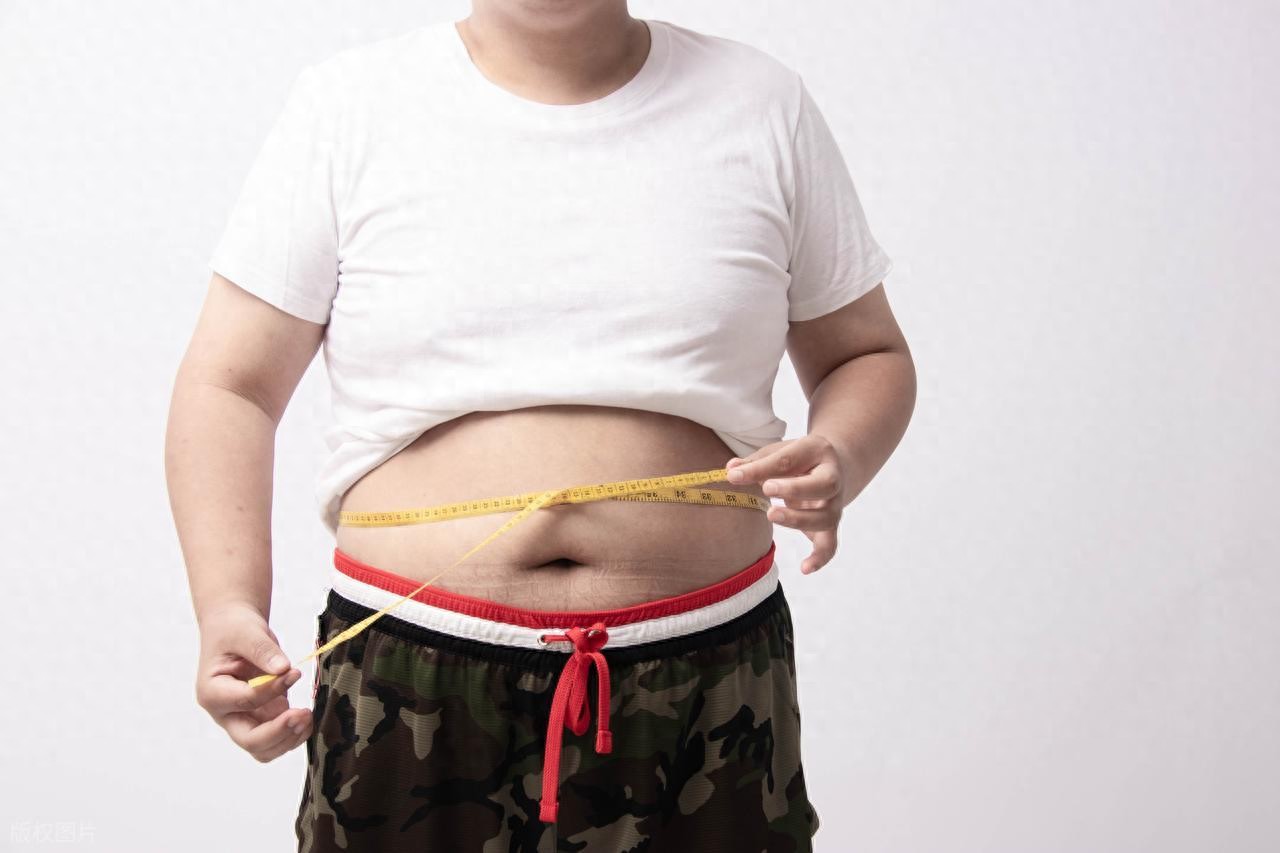
The "Thin in Old Age" Beautiful Trap
Walk into any group of middle-aged and elderly women dancing in the square or taking a stroll, and you will find that weight control is a frequent topic of conversation among them.
Many people believe that being thin means staying away from the "three highs" (hypertension, hyperglycemia, and hyperlipidemia), indicating a lighter burden on the body and better health and longevity. This belief drives many to practice extreme dietary restraint, even avoiding necessary nutrient intake.
However, this deliberately pursued "thinness in old age" may quietly sow the seeds of health risks. Especially when weight drops significantly in a short period without intentional efforts to lose weight, this is often not a good sign but rather an alarm bell from the body.

Sudden Weight Loss: Is It "Successful Weight Loss" or "Muscle Crisis"?
Why is involuntary weight loss so dangerous? The key lies in what exactly you are losing. As we age, the body naturally experiences a loss of muscle mass, a physiological process known as "sarcopenia."
If weight rapidly decreases at this point, what is lost is often not just fat but also a significant amount of precious muscle and bone mass. Muscle serves as the body's "engine" and "protein warehouse," maintaining our strength, balance, and basal metabolic rate.
When a large amount of muscle is lost, the body enters a fragile state. The decline in bone mass directly increases the risk of osteoporosis. This weight loss is not a triumph of health but rather a "collapse" of the body's core components.
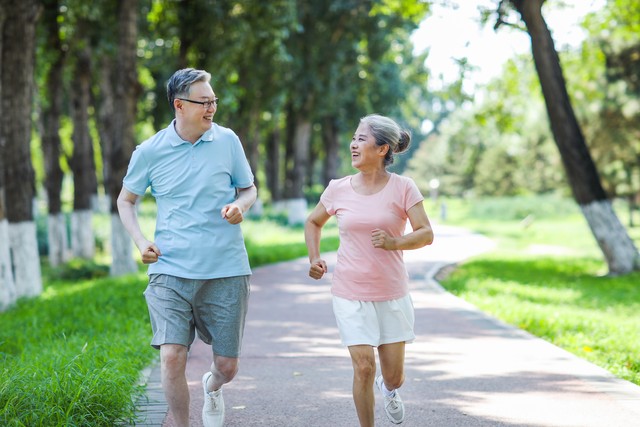
The Logic Behind the Soaring Risk
Harvard research indicates that elderly individuals with significant weight loss face increased risks of mortality, heart disease, and even cancer. The mechanisms behind this are multifaceted.
First, muscle loss leads to a decline in basal metabolism, weakening the body and impairing immune system function, making individuals more susceptible to infections and diseases.
Secondly, weight loss is often accompanied by malnutrition, leaving the body without sufficient "fuel" and "building materials" to repair cells and maintain organ function.
A frail, malnourished body significantly compromises its ability to resist and recover from sudden health events like pneumonia or falls resulting in fractures. Consequently, drastic weight loss serves more as a marker of depleted bodily reserves than as an indicator of good health.

How to maintain a healthy weight?
So, for women over 60, how should body weight be properly managed? The core principle is no longer "weight loss," but "muscle preservation" and "stability maintenance."
Prioritize adequate intake of high-quality protein: Muscle synthesis requires sufficient raw materials. Eggs, milk, fish, lean meat, soy products, and similar foods should be included in every meal. Do not avoid eating meat altogether out of fear that "eating meat leads to weight gain."
Combine strength training with aerobic exercise: If you only eat without exercising, protein cannot effectively turn into muscle. In addition to walking and jogging, it is advisable to incorporate some manageable strength training, such as using small dumbbells, resistance bands, or performing seated leg lifts and wall squats, to signal muscle growth.
Regularly monitor body weight: Develop the habit of weighing yourself at a fixed time each week. If you notice a sustained, unintentional weight loss of more than 5% within a short period (e.g., 1–3 months)—for example, dropping from 100 pounds to below 95 pounds—it should be taken seriously, and medical attention should be sought promptly to screen for underlying health conditions.
Embrace "Healthy Slightly Plump": Accept and appreciate the natural changes in body shape that come with age. As long as your Body Mass Index (BMI) is within a healthy range (e.g., 20–26.9), or even slightly above, and your weight is stable, it is far healthier than relentlessly pursuing thinness.

In summary, it's time to update our health knowledge database. For older women, stable weight and strong muscles are far more important than a number on the scale. Preserving muscle means preserving the foundation of strength and health.