A 46-year-old woman drank soy milk every day and went for a check-up after a year. The doctor wondered: How did you do it?
During her annual checkup this year, doctors were amazed when they looked at the report of 46-year-old Ms. Li: her blood lipids were down, her bone density was even better than last year, and she was experiencing very mild menopausal symptoms.
Upon learning that she had been drinking a cup of freshly ground soy milk every day for a year, the doctor pressed for more details.
It turns out that in Ms. Li’s way of drinking soy milk, there lies quite a bit of easily overlooked health wisdom.
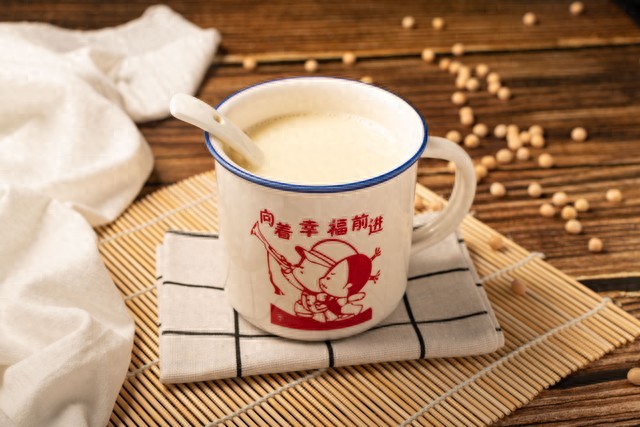
Soy Milk: The Misunderstood Plant-Based Milk
In many people's traditional beliefs, soybean milk contains soy isoflavones, a type of plant estrogen, and excessive consumption by women may increase the risk of breast cancer and other conditions. This is actually a huge misconception.
After reviewing reliable information, Sister Li learned that the activity of soy isoflavones is far lower than human estrogen, and it plays a remarkable "bidirectional regulatory" role in the body.
When estrogen levels in the body are too high, it competitively occupies receptor sites, weakening the effects of actual estrogen. When estrogen levels are low (such as during perimenopause), it can exert a mild estrogen-like effect.
It was precisely this mechanism that helped her smoothly navigate the hormonal fluctuations of menopause.
The Guardian of Bones
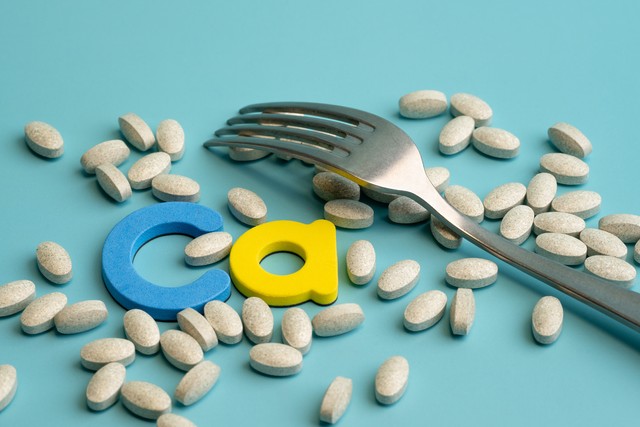
Ms. Li previously showed signs of bone loss, and the doctor advised her to supplement with calcium.
She chose soy milk not only because it naturally contains calcium but also because soy isoflavones inhibit osteoclast activity, slowing the loss of calcium from bones while promoting bone formation. This works synergistically with calcium supplementation to achieve an effect of "increasing supply and reducing demand."
Over the course of a year, her bone density indicators showed encouraging improvements, far surpassing the practice of simply supplementing with calcium while neglecting bone protection mechanisms.
The Cardiovascular "Cleanser"
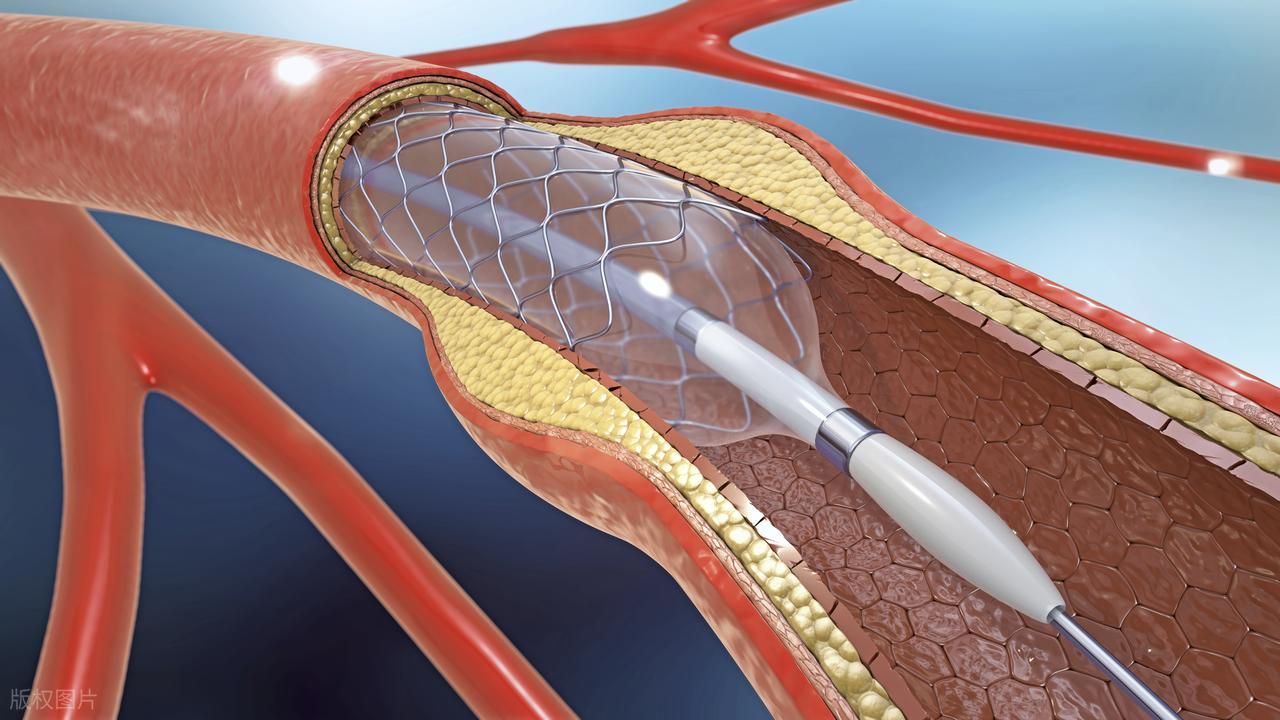
The improvement in lipid profile indicators on her medical report also benefited from soy milk.
Soy milk is rich in soy protein, dietary fiber, plant sterols, and unsaturated fatty acids, forming a "golden combination" for heart protection.
These components effectively promote cholesterol metabolism and excretion, lowering levels of "bad" low-density lipoprotein cholesterol in the blood while not affecting or even raising "good" high-density lipoprotein cholesterol.
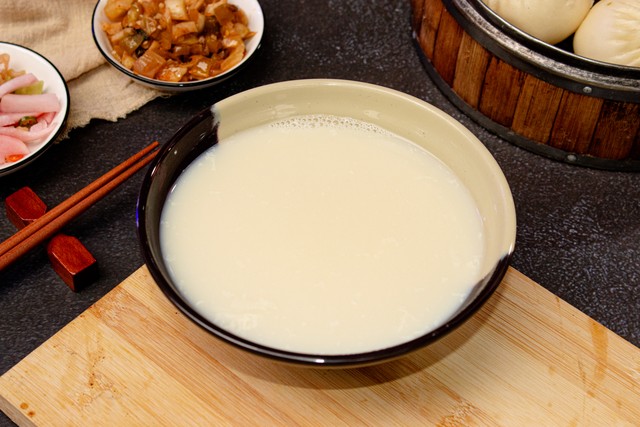
Ms. Li replaced her original breakfast of pickled vegetables and plain rice porridge with soy milk. This substitution reduced sodium and refined carbohydrate intake while increasing high-quality protein and dietary fiber, contributing to cardiovascular health.
Beyond Soy Milk Itself: The "Catalyst" for a Healthy Lifestyle
Upon further questioning, the doctor discovered that Ms. Li's transformation went far beyond a simple cup of soybean milk. Since deciding to adopt a healthier diet, she had voluntarily diversified her food choices to complement the soy milk. For instance, she began adding walnuts and oats to her soy milk and pairing it with eggs and leafy green vegetables for breakfast.
This single cup of soybean milk acted like a "fulcrum," setting off a virtuous cycle of lifestyle changes for her: her diet became more balanced, her daily routine more regular, and she started paying attention to activities like walking and getting sunlight.
The combined effect of all these factors contributed to the surprising improvements in her physical examination report—results that far surpass what any single food could achieve alone.

Scientific Consumption: The Details Make All the Difference
The reason why Sister Li's soybean milk was effective lies in her scientific consumption method.
She insisted on using non-genetically modified soybeans, making it herself to ensure freshness and no additional additives. She never added extra sugar, preserving the pure taste of the soybean milk.
More importantly, she understood the principle of "moderation," drinking one to two cups daily, approximately 300-500 milliliters.
This not only supplemented her nutrition but also avoided potential issues such as gastrointestinal bloating or minor impacts on iodine absorption that could arise from excessive intake.
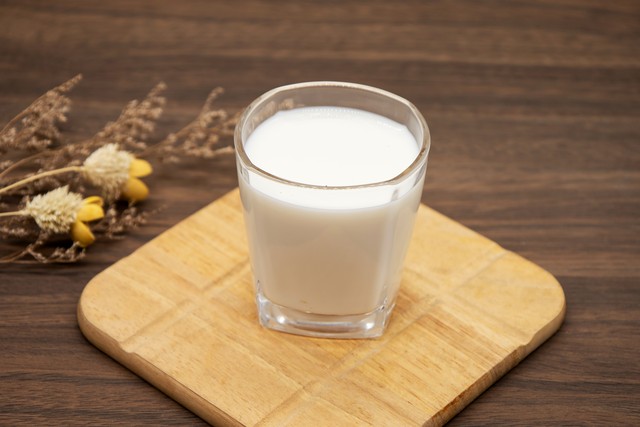
Soy milk is not medicine; balance is key.
Ms. Li's story teaches us that soy milk is an excellent health food, but it is not a "miracle cure" that can heal all ailments. Its benefits become evident when it is part of a balanced diet.
For individuals with gout, renal insufficiency, or soybean allergies, it is necessary to consume with caution under the guidance of a doctor.
For the majority of people, incorporating it as part of a diversified diet yields the best benefits.

Conclusion advice and dietary reminders
Sister Li's experience is worth learning from, but it should not be blindly copied. It is recommended to rotate between various beverages such as soy milk and milk in daily diets to achieve nutritional complementarity.
In terms of diet, adhere to the principle of food diversity and grains as the staple. While drinking soy milk, ensure adequate intake of vegetables and fruits, along with moderate amounts of nuts and mixed legumes, together building a healthy dietary pattern.
Avoid adding extra sugar to soy milk and choose soy products from reliable sources with good quality.
Remember, true health comes from a long-term, balanced, and scientific lifestyle, not from any one "superfood."