50-Year-Old Woman Diagnosed with Carotid Artery Plaque, Suffers Cerebral Infarction Three Years Later; Doctor Laments: Ignorance Harms People
During a health check-up, 50-year-old Auntie Wang was found to have carotid artery plaque. Her doctor advised her to take it seriously, but she dismissed it, thinking, "This is just a normal part of aging." Three years later, a sudden cerebral infarction left her partially paralyzed.
Looking at her in the hospital bed, the doctor lamented, "Plaque is an alarm bell; ignoring it is the real culprit."
This tragedy reminds us that discovering carotid artery plaque is no small matter. Scientific awareness and proactive intervention are crucial to preventing such disasters.
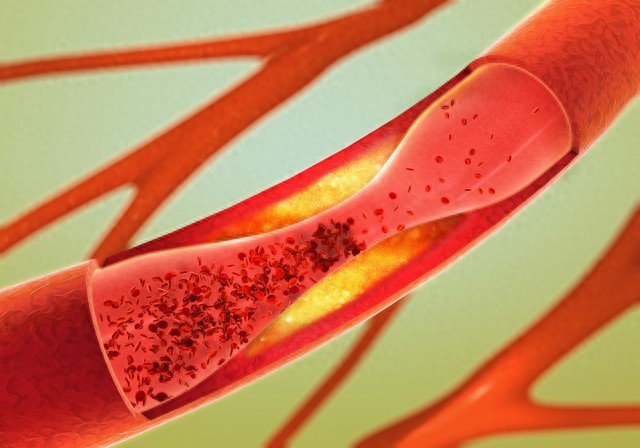
Carotid Artery Plaque: A "Ticking Time Bomb" in the Blood Vessel
Our carotid arteries are like the "critical water pipes" that deliver nutrients to the brain. As we age, especially when accompanied by factors such as hypertension and hyperlipidemia, lipids in the blood (such as cholesterol) can deposit on the blood vessel walls like scale, forming plaques.
This is essentially an atherosclerotic process and serves as a window into the overall health of the body's blood vessels.
What Aunt Wang discovered three years ago was precisely such a "scale" plaque.
It may start as just a fatty streak on the blood vessel wall, gradually evolving into a fibrous plaque. While stable plaques might remain harmless, once they enter a progressive stage, they become like a "ticking time bomb."
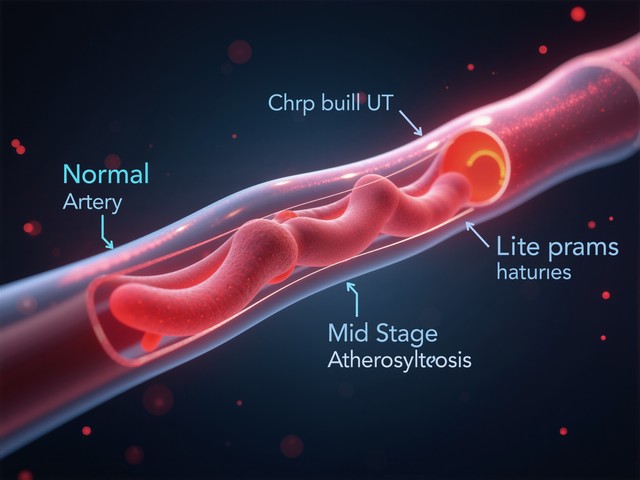
"Stable" vs. "Vulnerable": The Two Faces of Plaque
Not all plaques are equally dangerous. When doctors assess a plaque, the key is to determine whether it is a "stable plaque" or a "vulnerable plaque" (commonly known as a "soft plaque"). A stable plaque has a thick and tough fibrous cap with a small lipid core inside, resembling a dumpling with thick skin, and is less prone to rupture.
In contrast, a vulnerable plaque is the exact opposite—it has a thin and fragile fibrous cap with a large lipid core, much like a dumpling with thin skin and a large filling. Under factors such as blood flow impact and inflammation, it is highly susceptible to rupture.
Auntie Wang's tragedy likely lies in the fact that her plaque belonged to the vulnerable type or had transitioned from stable to vulnerable over the three years, yet she remained completely unaware and took no intervention measures.

How Does Cerebral Infarction Occur? The "Shedding" and "Blocking" of Plaque
A cerebral infarction, or ischemic stroke, occurs when a blood vessel in the brain becomes blocked, leading to ischemia and necrosis of brain tissue.
Carotid plaque causes cerebral infarction mainly through two mechanisms: the most common is plaque rupture, where the exposed contents rapidly attract platelet and fibrin aggregation, forming a thrombus (atherothrombosis).
The thrombus may locally obstruct the carotid artery or break apart and dislodge, traveling with blood flow to block narrower cerebral vessels, causing an embolism. The other mechanism involves the plaque itself progressively enlarging until it severely narrows or directly occludes the vascular lumen.
Regardless of the specific mechanism, the end result is the same: certain areas of the brain lose blood supply, resulting in functional impairment and severe consequences like the paralysis and speech loss experienced by Aunt Wang.

The Cost of Neglect: From "Reversible" to "Irreversible"
Mrs. Wang had an excellent opportunity for intervention three years ago. At that time, the plaque was likely still in its early stages, and with strict lifestyle adjustments and necessary medical treatment, it was entirely possible to delay its progression—or even stabilize and shrink some of the soft plaques.
However, "ignorance" caused her to miss this critical window. Over the next three years, unhealthy eating habits, lack of exercise, and likely poorly managed "three highs" (high blood pressure, high cholesterol, high blood sugar) continuously fueled the growth of the plaque, eventually setting off the "time bomb."
Once brain cells die, they cannot regenerate. Paralysis and other sequelae are often permanent, which is not only a personal tragedy but also places a heavy burden on the family.
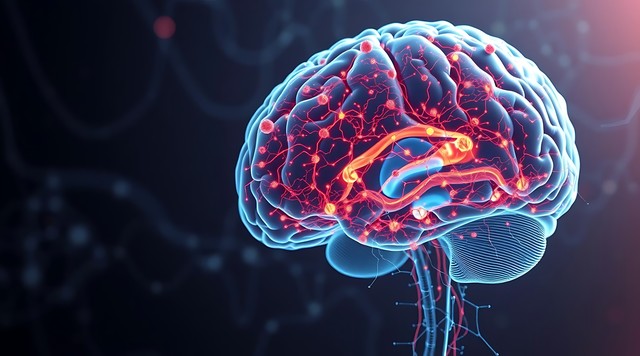
Scientific Management: The "Firewall" Against Stroke
Upon discovering carotid artery plaque, the correct approach is to immediately establish a "firewall." First, under the guidance of a neurologist or vascular surgeon, a comprehensive assessment of the plaque's nature, degree of stenosis, and the individual's overall cardiovascular risk should be conducted.
Statins are not just lipid-lowering drugs; they are the cornerstone of anti-atherosclerotic therapy. They stabilize plaques, reduce inflammation, and significantly lower the risk of plaque rupture.
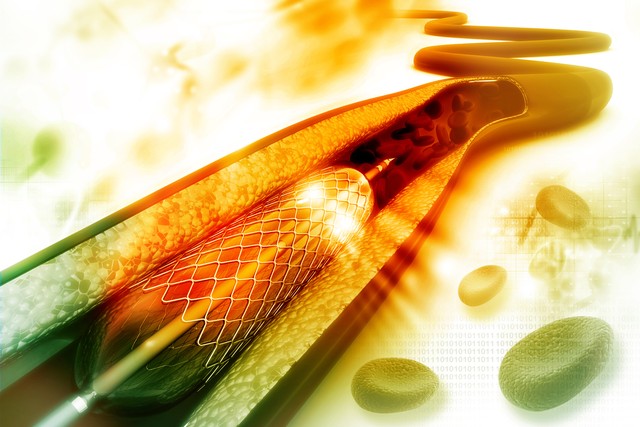
For antiplatelet medications such as aspirin, a doctor must decide whether to use them based on the risk-benefit ratio. If the vascular stenosis is severe (e.g., >70%), carotid endarterectomy or stent implantation may also be considered to clear the vessels.
Regular Follow-up Examinations: The "Navigation System" for Dynamic Monitoring
Managing plaque is not a one-time task; regular follow-up examinations are required, much like installing a "navigation system" for vascular health. Typically, doctors recommend a carotid ultrasound every 6-12 months.
The purpose of follow-up examinations is to monitor changes in the size and nature of the plaque, assess the effectiveness of drug therapy, and adjust the treatment plan promptly.
Through dynamic monitoring, doctors can predict risks and implement effective interventions before a stroke occurs.
If Auntie Wang had adhered to regular follow-up exams back then, she would have clearly observed the changes in her plaque, and it is highly likely she would not have ended up in her current situation today.

Conclusion advice and dietary reminders
Carotid artery plaque is a crucial alarm signal from the body and must be taken seriously. It is recommended that high-risk individuals aged 40 and above, especially those with conditions such as hypertension, hyperlipidemia, diabetes, smoking habits, obesity, or a family history of cardiovascular and cerebrovascular diseases, include carotid artery ultrasound as part of their regular health check-ups.
Once plaque is detected, it is essential to follow medical advice for standardized treatment and regular follow-up examinations. In terms of diet, it is necessary to adhere to the principles of low salt, low fat, and low sugar.
Increasing the intake of vegetables, fruits, and whole grains rich in dietary fiber, such as oats and brown rice, can help lower cholesterol levels. Opt for healthy fats, such as deep-sea fish, nuts, and olive oil, while avoiding fried foods and fatty meats.
Strictly limit the consumption of processed red meat and sugary beverages. Remember, managing plaque effectively is key to safeguarding the lifeline to the brain.