Pomegranates Back in the Spotlight! Doctors Discover: Menopausal Women May Gain 5 Benefits from Moderate Pomegranate Consumption
This red jewel of a fruit is once again taking center stage on the health scene with its unique nutritional value!
Doctors have observed that perimenopausal and menopausal women who regularly consume pomegranates in moderation are enjoying a range of enviable health benefits.
From cardiovascular protection to skin rejuvenation, the special components in pomegranates seem to support women through this particular phase of life on multiple levels.
Let's explore how this ancient fruit can infuse new vitality into modern women's health.
Nature’s Protective Umbrella for Blood Vessels
Post-menopause, women face a significantly increased risk of cardiovascular disease, and pomegranates demonstrate unique value in this regard.
The antioxidants in pomegranates, particularly ellagitannins and anthocyanins, can reduce oxidative damage to low-density lipoprotein, which is a key step in the formation of atherosclerosis.
At the same time, these components also help maintain vascular elasticity and alleviate the common issue of blood pressure fluctuations during menopause.
Drinking a small glass of pomegranate juice or eating half a pomegranate daily can provide strong support for vascular health.

The Invisible Guardian of Bones
Osteoporosis is a major concern for menopausal women, and pomegranates may offer unexpected assistance.
Pomegranate extract has been found to inhibit the activity of osteoclasts and slow down the bone resorption process.
At the same time, its antioxidant components can also reduce inflammatory responses in the bones.
While it cannot replace calcium and vitamin D, as an auxiliary protective measure, pomegranate indeed adds a new layer of defense for bone health.
Skin's Time-Delay Agent
Dry skin and reduced elasticity are common concerns for menopausal women, and pomegranate excels in this regard.
Punicalagin in pomegranate possesses potent antioxidant capacity, protecting skin fibroblasts from UV damage and promoting collagen production.
Women who regularly consume pomegranate often find their skin more hydrated and radiant, with fine lines also showing improvement, thanks to the nourishing effects of pomegranate from the inside out.
Natural relief for hot flashes
Surprisingly, some women have reported a decrease in the frequency of hot flashes after consuming pomegranate.
Pomegranates contain natural phytoestrogens that can interact with human estrogen receptors.
They provide a mild estrogen-like effect without stimulating the breast tissue or endometrium.
This gentle regulatory effect is precisely suited to the hormonal fluctuations experienced by menopausal women.
Fresh Aid for Memory
Menopausal "brain fog" troubles many women, and pomegranates may help improve this condition.
Polyphenols in pomegranates can cross the blood-brain barrier, directly protecting brain cells from oxidative stress damage.
Studies show that women who regularly drink pomegranate juice perform better in memory tests and language tasks, with well-maintained brain vitality.

The Wisdom of Selection and Consumption
While pomegranates offer numerous benefits, there is much to consider in how to choose and consume them wisely.
Whole pomegranate fruits retain more nutrients than processed products, as many active substances are prone to loss during processing.
Fresh pomegranate seeds are rich in fiber and nutrients, while pomegranate juice should be selected as 100% pure juice, avoiding products with added sugar.
Consuming half to one cup of pomegranate seeds or a small glass of pure pomegranate juice daily can achieve the desired effects.
Consideration of Individual Differences
It is worth noting that individuals may react differently to pomegranate.
Individuals with sensitive gastrointestinal systems may experience discomfort when consuming large quantities on an empty stomach, as the tannic acid in pomegranate has a certain astringent effect.
Simultaneously, women currently taking antihypertensive or anticoagulant medications should consult their doctor, as pomegranates may enhance the effects of these drugs. Understanding your own health condition is essential for safely enjoying the benefits of pomegranates.

Recommendations and Dietary Reminders
Menopausal women are advised to consume fresh pomegranates 3–4 times per week, with each serving consisting of approximately half a cup of pomegranate seeds.
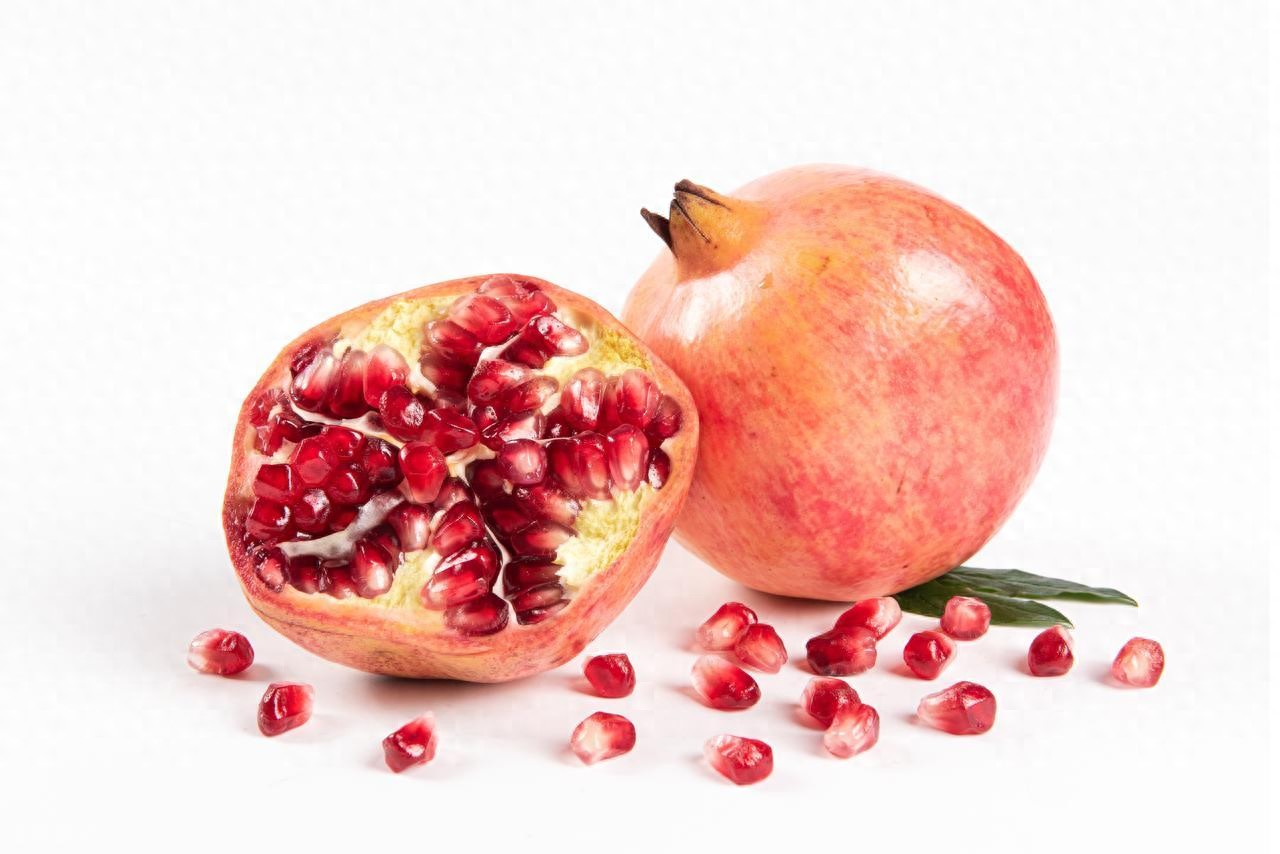
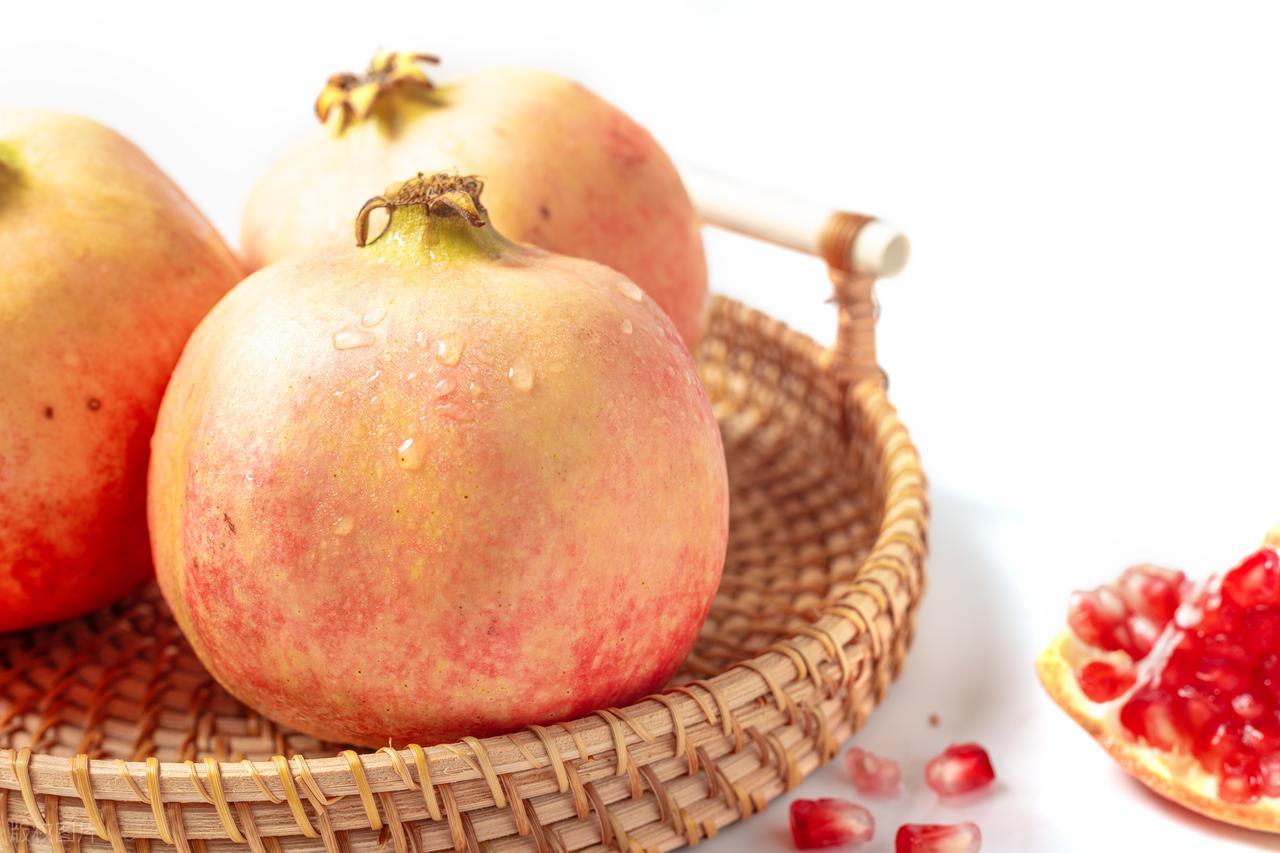
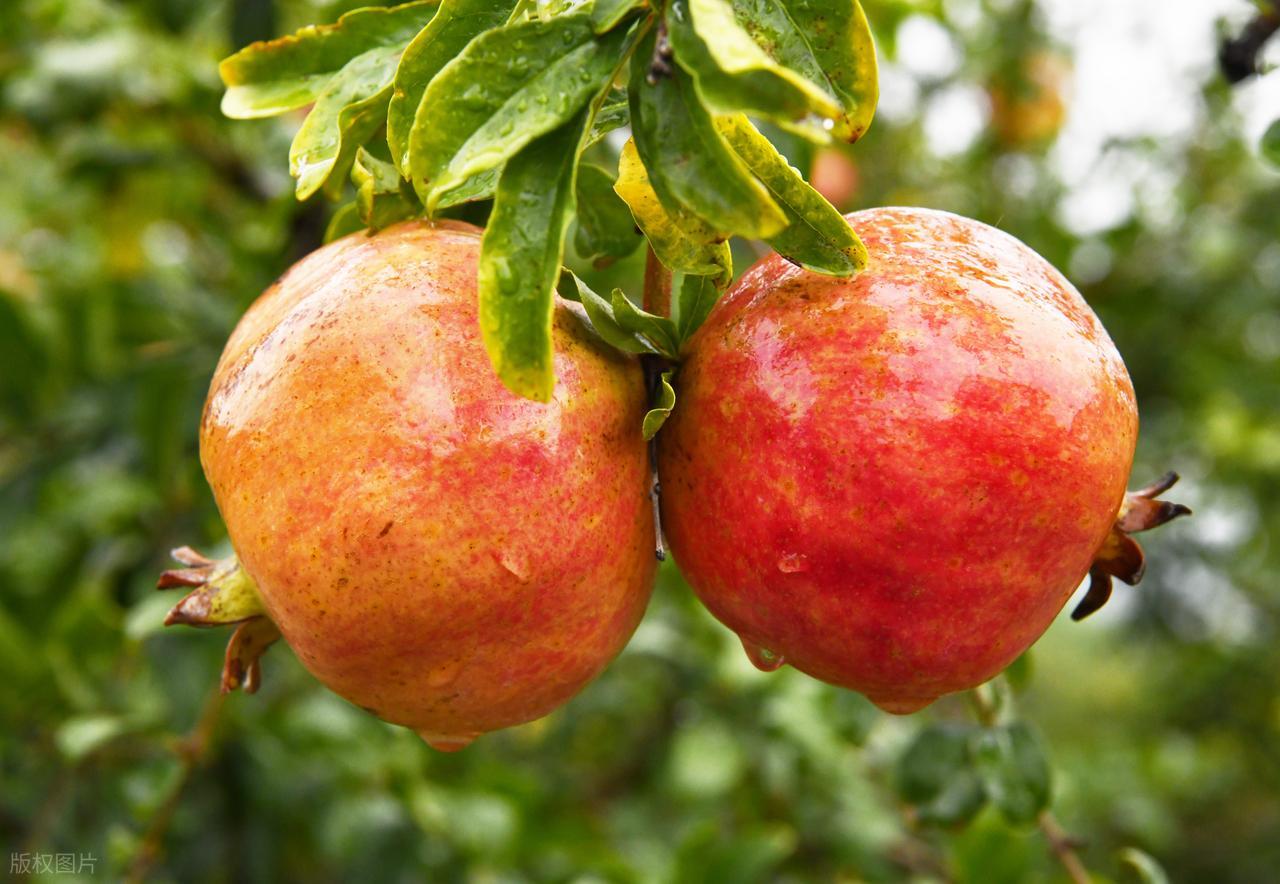
Choose pomegranates with plump fruit, deep red color, and a heavy feel, which indicate good ripeness and abundant juice.
Select 100% pure pomegranate juice, with a daily intake not exceeding 180 milliliters.
Although pomegranates are beneficial, they cannot replace a balanced diet. They should be paired with a variety of vegetables and fruits, high-quality protein, and whole grains. If you have specific health conditions or are taking medications, please consult your doctor first.