Shanghai Jiao Tong University Discovery: Breast Nodules Can Actually Completely Regress! However, Four Conditions Must Be Met
There's no need to be overly anxious if a breast nodule is detected during a physical examination. The latest research brings exciting news!
Research indicates that under certain conditions, breast nodules have the potential to completely resolve naturally. This challenges the traditional belief that "nodules only grow larger over time," offering new hope for patients.
Of course, for a nodule to regress, four key conditions must be met. Understanding these conditions can help you manage your breast health more scientifically.
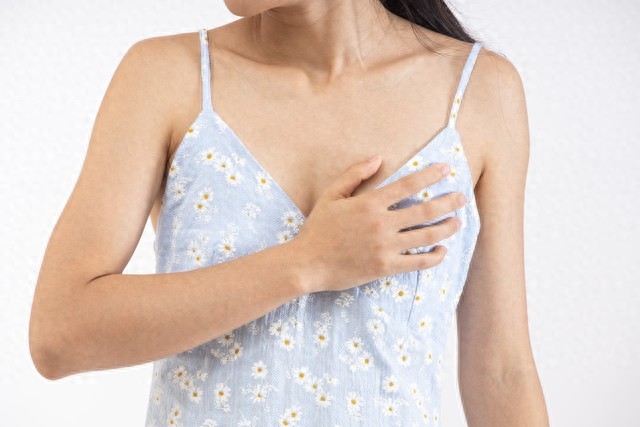
Congenital Condition of the Nodule's Nature
Whether a breast nodule can regress depends primarily on its inherent nature. Research shows that benign nodules, particularly those that are cystic or predominantly cystic mixed nodules, have the highest likelihood of regression.
These nodules are mostly composed of fluid internally and are more easily absorbed with changes in hormone levels or through effective interventions. In contrast, solid nodules, composed of dense glandular cells with a relatively stable structure, are more challenging to regress spontaneously.
This is why doctors conduct detailed assessments of a nodule's morphology, borders, and internal echo characteristics through ultrasound examinations, as these features directly influence the nodule's prognosis.
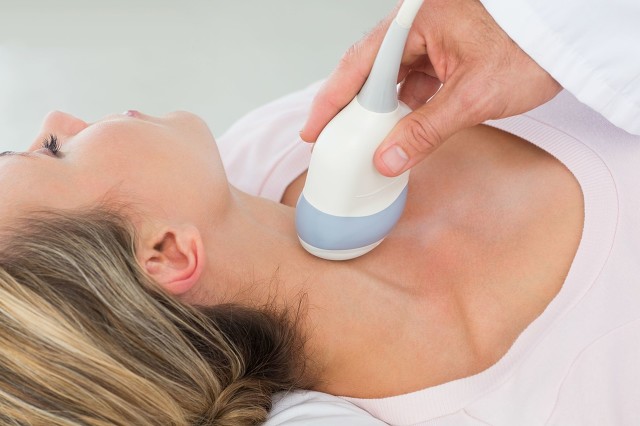
Stable and Balanced Endocrine Environment
Breast tissue is highly sensitive to hormonal changes, and a stable endocrine environment serves as a crucial foundation for nodule regression. Maintaining a balanced state between estrogen and progesterone can reduce stimulation to breast tissue.
Research indicates that by managing body weight, engaging in regular exercise, reducing alcohol intake, and other methods to improve the endocrine environment, favorable conditions can be created for the regression of nodules.
Particularly for nodules related to the menstrual cycle, regulating endocrine function is often a key factor in promoting their regression.

Proactive Adjustment of Lifestyle Habits
A healthy lifestyle can provide essential support for the regression of nodules. This includes a balanced diet, moderate exercise, stress management, and adequate sleep.
In terms of diet, increasing the intake of vegetables and fruits while reducing high-fat and high-sugar foods helps maintain hormonal balance. At the same time, regular moderate-intensity exercise can improve blood circulation and promote metabolism.
Studies have shown that long-term psychological stress can lead to elevated cortisol levels, potentially affecting breast health through neuroendocrine pathways.

Professional Medical Standardized Management
Proper medical intervention is a crucial safeguard for nodule regression. Regularly monitoring nodule changes through ultrasound examinations is essential.
For eligible benign nodules, doctors may recommend minimally invasive treatments, such as aspiration for cystic nodules or microwave ablation for specific types of nodules.
Importantly, any treatment decision should be made under the guidance of a professional doctor. Avoid relying on unverified folk remedies or self-medication, as these may stimulate nodule growth instead.

The scientific principles behind the regression mechanism.
The resolution of breast nodules involves complex physiological processes. For cystic nodules, the cystic wall cells cease secreting fluid, while the existing fluid is gradually absorbed, leading to the collapse and closure of the cystic cavity.
For solid nodules, appropriate intervention can induce apoptosis in proliferative cells and simultaneously reduce angiogenesis, ultimately resulting in gradual shrinkage and eventual disappearance of the nodule.
Additionally, improving systemic metabolic status may indirectly affect the breast microenvironment by modulating growth factor levels.

Full consideration of individual differences.
There are significant individual differences in the likelihood of nodule regression. Young women and those without a family history of breast cancer have a relatively higher probability of nodule regression.
The study also found that certain types of nodules that appear postpartum or during lactation often resolve spontaneously after breastfeeding cessation.
In addition, nodules detected at a smaller size (diameter <2 cm) have greater potential for regression compared to larger nodules. Understanding these differences helps in setting realistic expectations and formulating personalized management strategies.

The factor of sustained persistence over time
The regression of breast nodules typically requires sufficient time and is rarely achieved overnight. Studies indicate that the reduction or regression of benign nodules often requires months or even years of continuous management.
During this process, regular follow-up is crucial for assessing trends in changes and adjusting treatment plans in a timely manner. Patients must have adequate patience and adherence, maintaining a healthy lifestyle and following medical recommendations to maximize the likelihood of nodule regression.
Advice and Health Reminders
Patients with breast nodules should establish healthy lifestyle habits, including consuming more whole grains, soy products, and dark-colored vegetables, while limiting high-fat foods and alcohol. It is also important to choose appropriate sports bras and engage in moderate aerobic exercise.
Learn to manage stress and maintain a good sleep routine. Conduct breast self-examinations after each menstrual period and schedule regular breast ultrasound examinations. If there are changes such as pain or enlargement of the nodule, seek medical evaluation promptly.