Academician Li Lanjuan: Menopausal Women Should Supplement with 3 Vitamins to Prevent Cervical and Breast Cancer Onset
Menopause is a natural stage in a woman's life, and scientifically supplementing nutrition can effectively reduce health risks!
Targeted supplementation of three vitamins by menopausal women can help regulate endocrine function, enhance immunity, and thereby prevent the occurrence of cervical cancer and breast cancer.
In summary, reasonable supplementation of vitamin D, B vitamins, and vitamin C, combined with a healthy lifestyle, can build a solid disease prevention network for menopausal women.

Vitamin D—Dual Protection for Bone Health and Cancer Prevention
Women in menopause are often advised to supplement with vitamin D to prevent osteoporosis, but its benefits go far beyond that. Many women find that ensuring adequate vitamin D intake not only alleviates back pain but also improves overall health.
Vitamin D's anti-cancer mechanism lies in its ability to regulate cell growth and differentiation, inhibit abnormal cell proliferation, and participate in immune system regulation.
When estrogen levels decline, women's efficiency in absorbing and utilizing vitamin D decreases. Adequate vitamin D can help prevent the occurrence of breast and cervical cancer.
Obtaining vitamin D daily through sun exposure, consuming deep-sea fish, and egg yolks can help build a natural protective barrier for the body. Vitamin D works synergistically with calcium to maintain bone health and reduce cancer risk, making it an essential nutrient for women in menopause.
B Vitamins—Experts in Mood Stabilization and Metabolic Regulation
Menopausal women often face issues like mood swings and fatigue, with B vitamins playing a crucial role in alleviating these symptoms. When the body lacks B vitamins, symptoms such as insomnia, anxiety, and slowed metabolism can occur, which overlap significantly with menopausal signs.
B vitamins act as coenzymes involved in hundreds of biochemical reactions in the body, including energy metabolism, neurotransmitter synthesis, and DNA repair. Specifically, vitamins B6, B12, and folate help reduce homocysteine levels, which are linked to cardiovascular diseases and certain cancer risks.
Consuming adequate B vitamins through foods like whole grains, leafy greens, and lean meats can not only improve mood and energy levels but also lower cancer risk by supporting normal cellular function.
For menopausal women, B vitamins are essential nutrients for maintaining physical and mental balance.

Vitamin C—Guardians of Antioxidant Defense and Immune Enhancement
Menopausal women may find themselves more prone to colds and slower wound healing, which is often associated with insufficient vitamin C intake. As a powerful antioxidant, vitamin C plays a crucial role in combating free radical damage.
Vitamin C reduces cancer risk by neutralizing free radicals and decreasing DNA damage, while also supporting the proper functioning of the immune system. It further promotes collagen synthesis, helping to maintain skin elasticity and vascular health.
During menopause, due to decreased ovarian function, oxidative stress levels in the body increase. Moderately supplementing with vitamin C can help alleviate this stress.
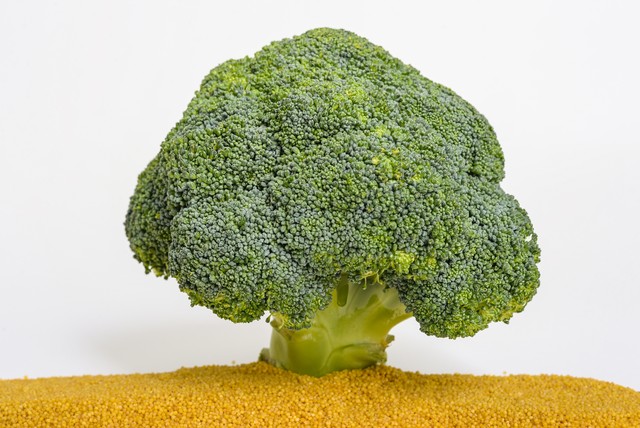
By consuming fresh fruits and vegetables such as citrus fruits, kiwis, and broccoli, adequate vitamin C can be naturally obtained, thereby enhancing the body’s resistance to infections and reducing the risk of cervical and breast cancer.
Nutritional Synergy—Building a Comprehensive Cancer Prevention System
Supplementing with a single vitamin alone has limited effects; only by combining multiple nutrients can comprehensive protection be provided for menopausal women. Different vitamins work together in the body to form a complex defense network.
There is a synergistic effect among various vitamins, such as vitamin C can regenerate oxidized vitamin E, and B vitamins help activate vitamin D. This synergy enhances the overall antioxidant and anti-cancer effects.
While supplementing these vitamins, menopausal women should also consume other beneficial nutrients, such as dietary fiber, phytoestrogens, and Omega-3 fatty acids. Together, they can better regulate hormonal balance, reduce inflammatory responses, and inhibit abnormal cell growth.
Establishing a diversified dietary pattern is more effective in preventing cervical and breast cancer than supplementing a single nutrient.

Recommendations and Dietary Reminders
Menopausal women should obtain the necessary vitamins through a balanced diet, prioritizing natural foods over supplements. Ensure 500 grams of fresh vegetables and fruits daily, especially dark-colored vegetables; and consume deep-sea fish 2-3 times a week.
Moderate consumption of whole grains, nuts, and soy products. If considering vitamin supplements, it is best to consult a doctor first and supplement reasonably based on individual circumstances. Avoid high-sugar, high-fat diets and limit processed meat intake.
Nutritional supplementation should be combined with regular exercise, adequate sleep, and regular health check-ups to minimize the risk of cervical and breast cancers.