The Optimal 'Menopause Age' for Women Has Been Announced, Gynecologists Warn: The Closer to This Age, the Better
Menopause is a natural life stage that every woman inevitably experiences, but do you know when is the most ideal time for it to occur?
Gynecologists point out that there is a "golden age range" for natural menopause in women, and experiencing it too early or too late can increase health risks.
In conclusion, research indicates that natural menopause around the age of 50 is most ideal for Chinese women. Women whose menopause occurs close to this age are often better able to balance the length of their reproductive years with the health risks associated with older age.
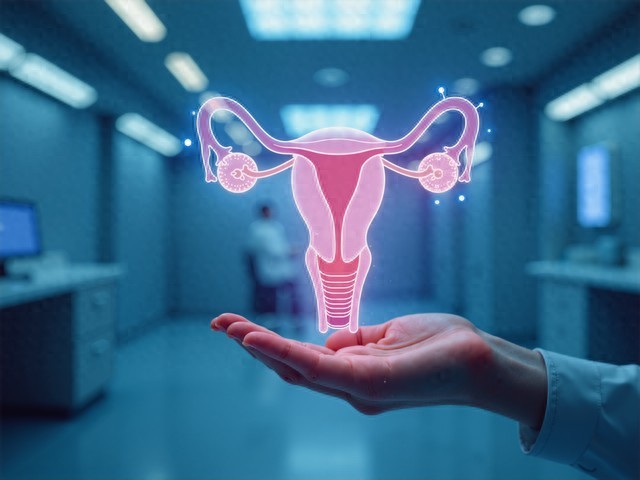
Ideal Menopause Age—A Key Point for Balancing Health
Women often wonder, what age is considered normal for menopause? In fact, the timing of menopause has a profound impact on women's health.
Experts from Peking Union Medical College Hospital point out that the natural menopause age for Chinese women mostly falls between 46 and 55, with around 50 years old being considered the ideal point. From a physiological mechanism perspective, menopause marks the natural decline of ovarian function, with estrogen levels gradually decreasing.
Early menopause (before age 45) means a woman’s body loses the protective effects of estrogen earlier, increasing the risks of osteoporosis and cardiovascular diseases. Late menopause (after age 55), on the other hand, may elevate the risks of endometrial cancer and breast cancer due to prolonged estrogen stimulation.
Therefore, experiencing menopause around age 50 better balances the length of the reproductive period with long-term health, representing the optimal natural compromise for the female body.

Premature Menopause—Health Challenges That Arrive Early
Some women enter menopause in their 40s or even earlier, which conceals underlying health risks. Beyond common discomforts such as hot flashes and night sweats, women who experience premature menopause face more severe long-term health issues.
Premature decline in estrogen levels leads to accelerated bone density loss, increasing the risk of osteoporosis and fractures. Simultaneously, the protective effect of estrogen on the cardiovascular system diminishes prematurely, elevating the risk of heart disease and stroke.
From a broader perspective, premature menopause may also be associated with cognitive decline and an increased risk of developing Alzheimer’s disease.
These women need to pay closer attention to their bone health and cardiovascular status, and under medical guidance, consider appropriate interventions to compensate for the premature loss of estrogen protection.
Late Menopause—Risks Associated with Prolonged Fertility
Contrary to premature menopause, some women experience significantly delayed menopause, which is also not an optimistic sign. On the surface, a longer fertility period suggests a more youthful physical state, but the reality is not that simple.
Late menopause means prolonged exposure of the endometrial and breast tissues to estrogen stimulation, which increases the chances of errors occurring during cell division.
Studies have shown that women who have not yet reached menopause after the age of 55 have a significantly higher risk of developing breast cancer compared to those who undergo menopause at a normal age.
Additionally, delayed menopause may also be associated with an increased risk of other gynecological tumors, such as ovarian cancer and endometrial cancer. These women should enhance screening for related cancers and remain vigilant, rather than overlooking potential risks due to the misconception that "late menopause makes one appear younger."
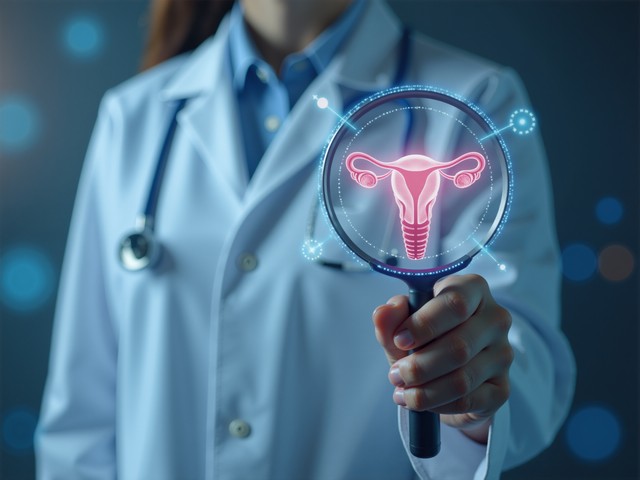
Scientific Management—Smoothly Navigating the Menopausal Transition
Regardless of when menopause occurs, scientific management can help women better navigate this stage. Menopause is not a sign of disease but a period that requires special attention to health.
Faced with the changes brought by menopause, women should adopt proactive lifestyle interventions, including a balanced diet, moderate exercise, and stress management. In terms of diet, increasing the intake of soy products, whole grains, and dark-colored vegetables can help supplement phytoestrogens and various nutrients.
Weight-bearing exercises such as brisk walking and dancing help maintain bone density; pelvic floor muscle training can improve urinary system symptoms. Additionally, regular mammograms and bone density scans are essential.
For women whose symptoms severely impact their quality of life, hormone replacement therapy may be considered under a doctor's guidance, but it requires weighing the pros and cons and making an individualized choice.

Recommendations and Dietary Reminders
Women should prepare for a smooth transition through menopause by adopting a healthy lifestyle. Ensure daily intake of ample vegetables and fruits, along with moderate amounts of soy products and dairy products; engage in at least 150 minutes of moderate-intensity exercise per week; and avoid smoking and excessive alcohol consumption.
Pay attention to body signals, such as abnormal bleeding, severe hot flashes, or mood swings, and seek medical attention promptly.
Menopause is a natural transition in life, not the end of health. Facing it positively and managing it scientifically can help women maintain health and vitality even after menopause.