51-Year-Old Woman with Estrogen Deficiency Ate Flaxseed Daily, Seven Months Later During Checkup, Doctor Asked: What Did You Do?
Ms. Wang, over fifty years old, was troubled by menopausal symptoms. After being diagnosed with low estrogen levels by her doctor, she began consuming flaxseeds daily.
When she returned for a follow-up examination seven months later, the doctor was surprised to find that her hormone levels had significantly improved.
Further investigation revealed that, aside from consistently consuming flaxseed, she also made several crucial lifestyle adjustments. This case demonstrates viable ways to naturally elevate estrogen levels.
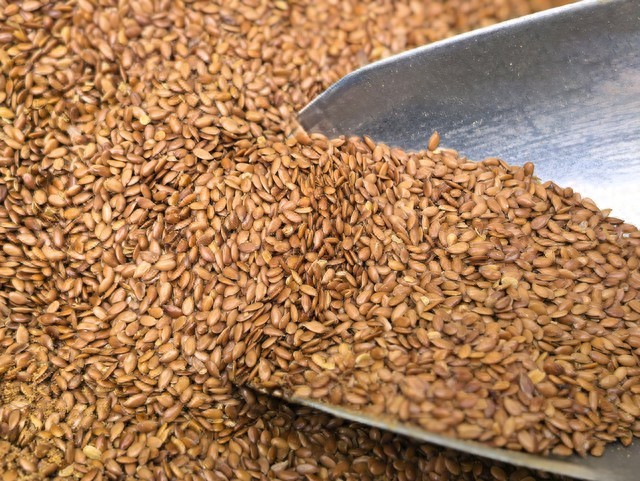
The Miracle of Lignans in Flaxseed
Flaxseed is often referred to as a "treasure trove of phytoestrogens," as the lignans it contains can be converted into bioactive compounds within the human body.
These phytoestrogens possess a dual regulatory effect; when estrogen levels in the body are low, they can mildly mimic the functions of human estrogen.
More importantly, the lignans in flaxseed can inhibit the conversion of excess androgens into estrogen within the body, helping to maintain hormonal balance.
Consuming 2-3 tablespoons of flaxseed powder daily can provide sufficient plant-based estrogen precursors.
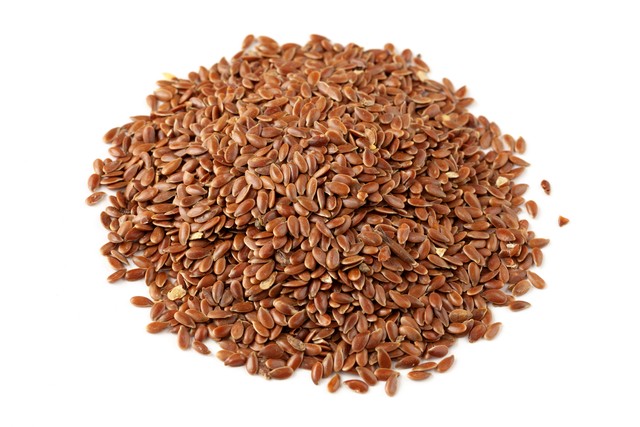
The Detoxifying Effects of Dietary Fiber
Flaxseed is rich in both soluble and insoluble dietary fiber, which is crucial for estrogen metabolism. Adequate dietary fiber promotes intestinal motility and reduces the reabsorption of secreted estrogen in the intestines.
Additionally, a healthy gut microbiota can convert estrogen into forms that are more easily excreted from the body. After consistently consuming flaxseed, Ms. Wang not only improved her constipation issues but also established a healthier estrogen metabolism pathway.
Balancing High-Quality Fatty Acids
Flaxseed is an excellent plant-based source of omega-3 fatty acids, which have a subtle yet significant impact on hormone balance.
Omega-3 fatty acids can reduce the production of inflammatory factors such as prostaglandins, and chronic inflammation can interfere with normal hormone function.
Additionally, an appropriate fatty acid ratio helps maintain cell membrane fluidity, ensuring hormone receptors function properly. After Ms. Wang replaced some of her cooking oil with flaxseed, the ratio of omega-3 to omega-6 in her body approached an ideal state.

The Regulatory Effect of Exercise
In addition to dietary adjustments, Ms. Wang also established a regular exercise routine. Moderate exercise helps control weight and reduces excess estrogen produced by fat cells.
Simultaneously, exercise can improve insulin sensitivity, while insulin resistance can disrupt normal hormonal balance. It is worth noting that excessive exercise, on the other hand, can suppress estrogen production, making it crucial to find the right balance.
Effective Management of Stress
Chronic mental stress leads to elevated cortisol levels, which in turn interferes with the normal synthesis of estrogen.
Ms. Wang managed her stress by learning meditation and ensuring adequate sleep, which reduced cortisol's "competition" for estrogen precursor substances. Stress management not only improved her emotional state but also created a more favorable environment for hormonal balance.

Avoidance of Environmental Estrogens
Many chemicals that interfere with the endocrine system lurk in daily life, such as bisphenol A in plastic products and preservatives in cosmetics.
Ms. Wang consciously reduced her use of plastic containers for heating food and chose personal care products with natural ingredients, thereby lowering her exposure to environmental estrogens. These subtle adjustments collectively contributed to the improvement in her hormone levels.
Synergistic Effect of Integrated Interventions
Changes in a single factor often yield limited effects, whereas the synergistic interaction of multiple intervention measures can produce significant results.
Flaxseeds provide phytoestrogens and dietary fiber, exercise helps control weight, stress management reduces cortisol interference, and avoiding environmental toxins reduces exogenous estrogen load.
This multi-level, comprehensive intervention strategy is precisely the key to Ms. Wang's successful improvement in her hormone levels.
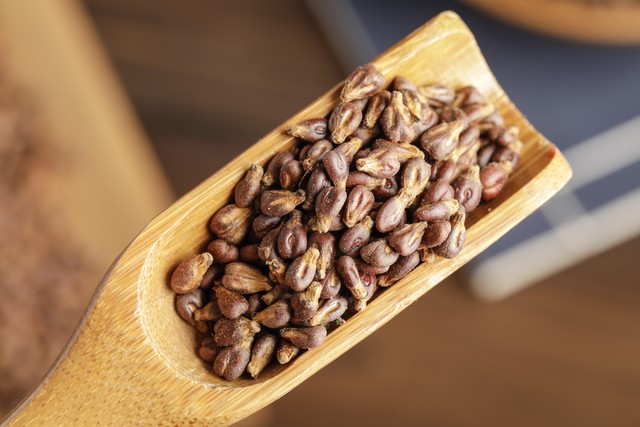
Recommendations and Dietary Reminders
Women wishing to naturally regulate estrogen levels may consume 1-2 tablespoons of freshly ground flaxseed daily, adding it to yogurt, porridge, or baked goods.
At the same time, ensure adequate dietary fiber intake by consuming more soy products and cruciferous vegetables. Maintain regular exercise with 3-5 sessions of moderate-intensity aerobic activity per week. Learn stress management techniques and ensure 7-8 hours of quality sleep each night.
Reduce the use of plastic products, especially avoiding heating food in plastic containers. These changes should be implemented gradually, with regular monitoring of hormone levels.